news Safety & casualtyCompliance & regulation Splash247
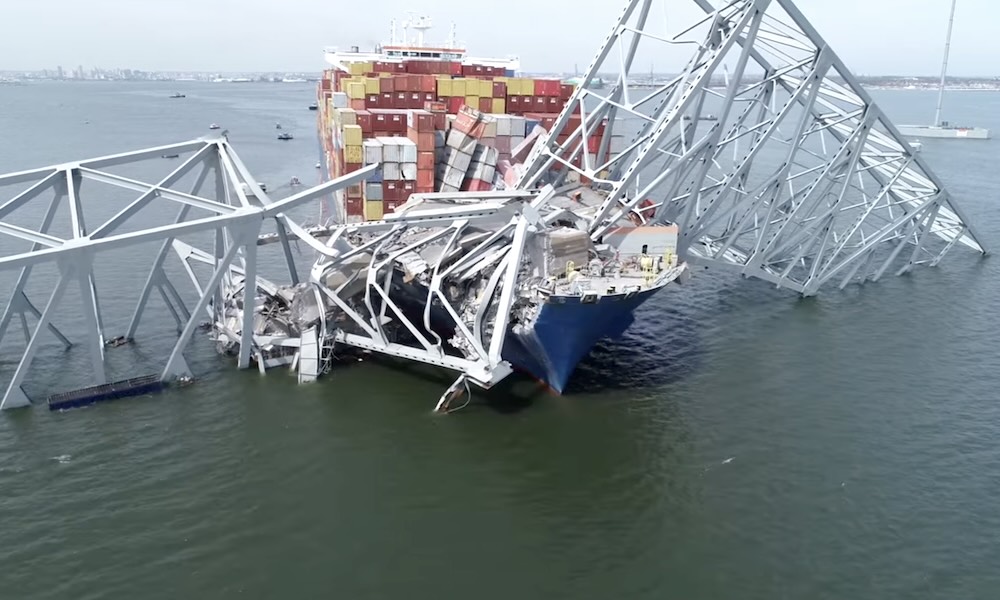
Captain Naveen Singhal and Captain M M Saggi write for Splash today, calling for significant regulatory change to make shipping safer. One of the findings of the National Transportation Safety Board’s investigation report dated July 31, 1990, on the Exxon Valdez incident was that the US flag administration (USCG) was under pressure from ship owners and operators to approve reduced manning levels in order to save crew costs. The report also notes that the US flag administration should consider the consequences of lower manning levels and long tours of duty, as these can lead to fatigued crews and result in catastrophic ship accidents. Nothing appears to have changed after 35 years. If an audit is conducted by an independent agency to evaluate whether flag states have properly enforced the minimum safe manning resolution of IMO Res A.1047(27), the findings may show that nearly all flag states are under pressure to mandate reduced manning, often against their own safety standards, solely to maintain the ship’s registration (business) within their jurisdiction, before the shipowner considers transferring to other more lenient flag states. Statistics from a World Maritime University source show that about 80.2% of seafarers altered their rest hours records to evade inspection findings, 75% did so to avoid issues with the company, and 31% for financial gain. What is the solution? An AI-based software on the IMO website could help prevent inter-flag state competition and ensure adequate manning rather than minimum safe manning, thereby stopping shipowners from flag hopping while flag states can focus on improving their fleet’s quality standards. Twenty months after the Dalia bridge incident in the Fort McHenry Channel, Baltimore, the NTSB board members approved the draft investigation report findings and recommendations on November 18, 2025. Interestingly, it took the NTSB 12 months to find the loose electrical wire sleeve, whereas the ship never detected it during 10 years of operation. This raises questions about the testing of emergency equipment. Furthermore, delays in starting the emergency generator and design flaws in the VDR were among other findings. The investigation team found a 162-page fuel management manual, while fuel is injected using a flushing pump designed primarily for maintenance. This was modified to meet the 2020 emission standards. Although the fuel management setup was originally intended for generator operation in automation mode during delivery, the piping modification may have disrupted the original configuration, leading to automation being disabled and manual mode being used instead. This is the story of every merchant ship afloat that contains an element of the Dali. Safety standards on ships are victims of a decayed ISM code and significant gaps in the so-called minimum safe manning, creating a waiting to happen scenario. Giving the devil its due, certificates are on the rise, but safety standards are decreasing, as compliance is often documented in PDFs while vessels remain unseaworthy in practice. On the other hand, seafarers face lengthy contracts, low wages, insufficient crew, overwork, fatigue, and unhappiness. A few thousand pages of SMS junk, meant to demonstrate compliance, sit gathering dust—neither read by the author, who remains anonymous, as most of the text is borrowed. If that isn’t enough, excessive, cumbersome paperwork, irrelevant checklists, and procedures—neither pertinent nor specific to the
An outdated ISM code awaits a doctor
Splash247
Read full article at Splash247 →
Opens Splash247 in a new tab