news Geopolitical riskCompliance & regulation Hellenic Shipping News
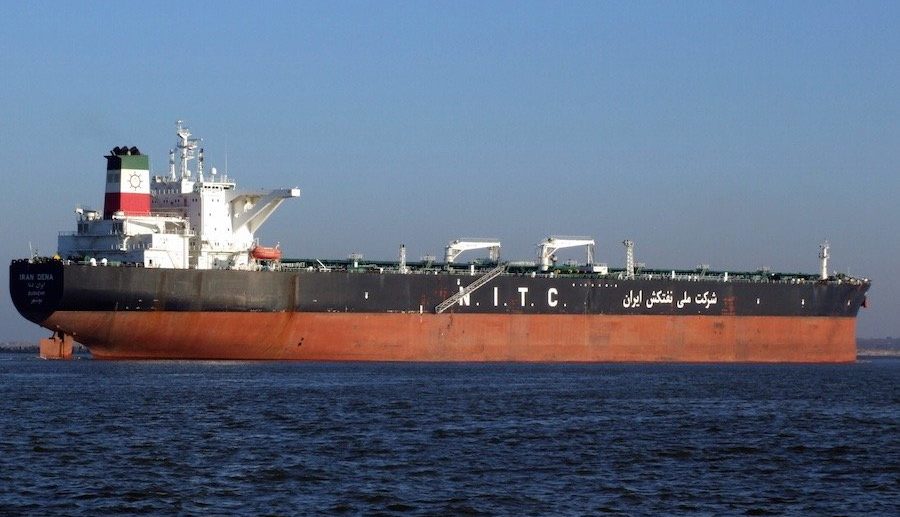
U.S. Treasury Expands Pressure on Iran’s Shadow Fleet and Weapons Procurement Networks in International Shipping News 28/02/2026 OFAC sanctioned 12 shadow fleet vessels involved in transporting Iranian petroleum and petrochemicals. Multiple shipping companies and vessel owners were designated under Executive Order 13902. The designations reinforce the link between Iranian oil exports and weapons proliferation. Maritime intelligence and behavioral monitoring remain central to enforcement. Expanding Pressure on Iran’s Maritime and Weapons Networks On February 25, 2026, the U.S. Department of the Treasury’s Office of Foreign Assets Control (OFAC) designated more than 30 individuals, entities, and vessels linked to Iran’s shadow fleet and to networks supporting ballistic missile and advanced conventional weapons production. The action targets two interconnected pillars of Iran’s sanctions evasion architecture: Maritime oil transport networks that generate revenue. Procurement channels that convert that revenue into military capability. Together, they form a closed loop between energy exports and weapons development. Targeting Iran’s Shadow Fleet Revenue Streams The latest action intensifies pressure on vessels operating as part of Iran’s shadow fleet – ships transporting petroleum and petrochemical cargoes outside mainstream compliance frameworks. OFAC-designated vessels flagged in Panama, Barbados, Comoros, Palau, Vanuatu, and Iran itself. Several had been transporting millions of barrels of Iranian LPG, high sulfur fuel oil, condensate, grey ammonia, and other products across Asia and beyond since 2023-2025. Notably, multiple vessels have operated within the shadow fleet ecosystem for years, underscoring the durability of these networks. Ownership structures span jurisdictions including Panama, the Marshall Islands, Liberia, and the British Virgin Islands. Windward data shows the scale of this ecosystem. Of approximately 430 tankers currently engaged in Iranian trade, roughly 62% are falsely flagged, and 87% are sanctioned. The Marshall Islands, Hong Kong, China, and Panama represent the top four jurisdictions of incorporation for registered owners, reflecting how ownership structures are distributed across global maritime registries. Insurance coverage is unknown for all but a small handful of these vessels, reinforcing the opacity of the fleet’s operating model. This round of designations highlights several recurring characteristics of shadow fleet operations: Flag and ownership changes across low-oversight registries. Longstanding vessel participation in sanctioned trade corridors. Petroleum cargo routing through permissive jurisdictions. Multi-year integration into Iranian export networks. In addition to crude and product tankers, Windward data shows that roughly 100 LPG carriers are actively engaged in Iranian trades, expanding the sanctions-evasion footprint beyond traditional oil segments. Rather than ad hoc activity, these vessels reflect embedded commercial structures that sustain Iranian petroleum exports under sanctions pressure. From Oil Revenue to Weapons Programs The Treasury’s action extends beyond maritime transport. OFAC simultaneously designated procurement networks facilitating access to precursor chemicals, sensitive machinery, and UAV components tied to Iran’s Islamic Revolutionary Guard Corps and Ministry of Defense and Armed Forces Logistics. The designated networks include financial intermediaries supporting engine
U.S. Treasury Expands Pressure on Iran’s Shadow Fleet and Weapons Procurement Networks
Hellenic Shipping News
Read full article at Hellenic Shipping News →
Opens Hellenic Shipping News in a new tab