regulation Maritime Cyprus
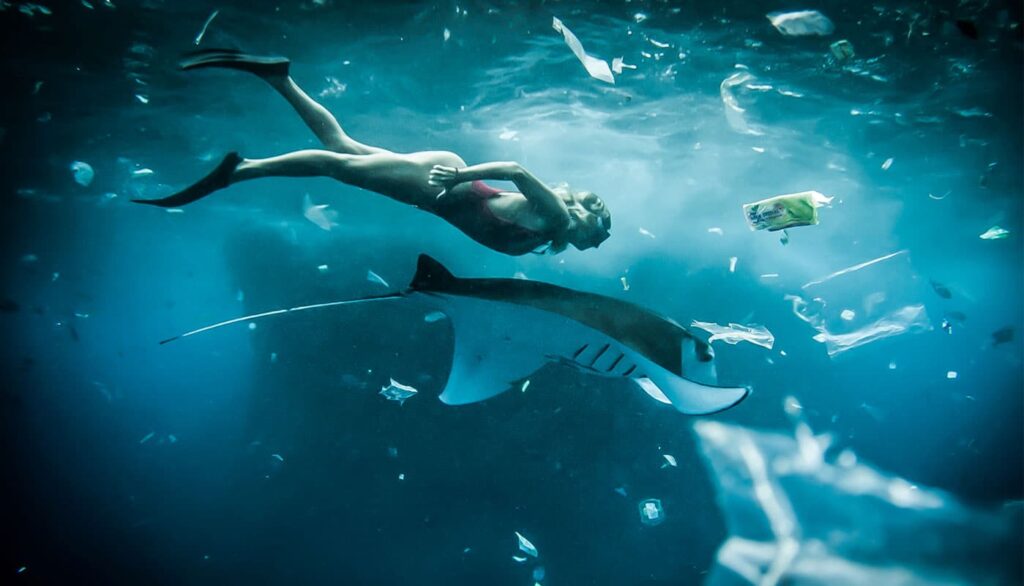
(www.MaritimeCyprus.com) International conventions expressly prohibit the discharge of plastic into the sea, but plastic can still find its way into our oceans from careless handling on the vessel or mismanagement downstream and onshore. Up to 13 million tonnes of plastic waste reaches ocean waters every year. According to the UN Development Program , that is equivalent to dumping the contents of one garbage truck into the ocean every minute. A whopping 89% of all litter found on the ocean floor are single use items like plastic bags. Plastic persists in the ocean for hundreds of years and poses grave risks to sea creatures. If we continue dumping items such as plastic bottles, bags and cups after a single use into the ocean, by 2050 oceans will carry more plastic mass than fish. Plastic is one of the categories of garbage which MARPOL Annex V expressly prohibits from discharging into the sea, but it could find its way there from careless handling on the vessel or mismanagement downstream and onshore. So, what can ship operators and crews do to prevent garbage, especially plastics finding their way to the ocean? The legislation The MARPOL regulations as first drafted in 1973 and amended in 1978 address marine pollution. Annex V regulates handling of garbage from ships. Garbage includes all kinds of food, domestic and operational waste, all plastics, cargo residues, incinerator ashes, cooking oil, fishing gear, and animal carcasses generated during the normal operation of the ship and intended to be disposed of continuously or periodically. The regulations for the prevention of pollution by garbage from ships entered into force internationally in 1988. Today, more than 150 countries are signatories to MARPOL Annex V. MARPOL Annex V applies to all ships, which means all vessels of any type whatsoever operating in the marine environment. Under MARPOL there are several “Special Areas” defined where the restrictions are stricter. Currently, there are eight Special Areas
Maritime sustainability: Ensuring Oceans of Fish, Not Plastic
Maritime Cyprus
Read full article at Maritime Cyprus →
Opens Maritime Cyprus in a new tab