news Operational risk Hellenic Shipping News
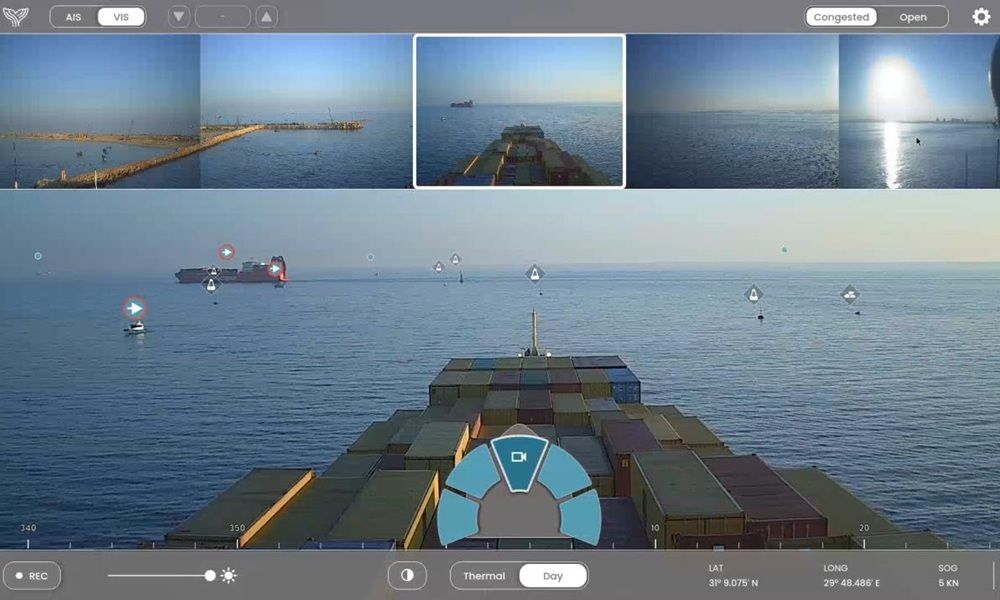
AI’s potential for safer & smarter navigation in the busy Baltic waters in International Shipping News 03/02/2026 The Baltic Sea has long been a proving ground for maritime innovation – from pioneering ice-class vessel design to early adoption of e-navigation concepts such as digital traffic management. Small but intensely sailed, the Baltic links nine coastal nations through a dense network of short-sea routes. Its shallow waters, narrow fairways, and strict environmental rules have made it a living laboratory for efficient, low-impact shipping. From ferry corridors between Helsinki and Tallinn to the approaches to Gdańsk and Klaipėda – and beyond the Danish Straits to Gothenburg and the North Sea routes – vessels of every size share limited space under shifting weather and visibility conditions (not to mention not unsuccessful attempts by malevolent parties to jam navigational signals…). In such an environment, situational awareness is not a luxury; it is a defining factor for safety, efficiency, and environmental performance. As shipping in the Baltic becomes more automated and data-driven, artificial intelligence (AI) is emerging as a new ally on the bridge. Rather than replacing human judgment, AI-powered computer vision augments it – turning vast amounts of visual, radar, and navigational data into real-time insights that help crews operate more safely and confidently in complex waters. A sea of constraints The combination of high vessel density, complex geography, and strict environmental regulation within a confined basin represents a concentration of operational variables matched by few other regions. Thousands of ship movements each day mix with ferry traffic, offshore wind construction, fishing vessels, and leisure craft (and, again, a ‘shadow fleet’ that detrimentally blurs the picture…). Fairways are narrow and often shallow, with long winter nights and sudden fog. Such conditions demand constant vigilance. Even experienced bridge teams can find the workload overwhelming when multiple small targets appear on the radar and the light fades early. According to statistics from the European Maritime Safety Agency, human error contributes to over 75% of navigational incidents in the waters of Europe. Fatigue, sensory overload, and misinterpretation of data are common precursors. For shipowners and ports under pressure to maintain punctual schedules and reduce risk, these constraints are increasingly hard to manage through traditional means alone. That and the generational shift in how a crew member approaches navigation. While older officers rely more on ‘feeling’ how the ship behaves, an expert ‘sense-memory’ built by sailing thousands and thousands of miles with intentional focus, the younger generation bases its assessment more on technology – what the screen says rather than what’s outside the porthole. This is not to judge whether the former is better than the latter; instead, it’s a call to provide future crews with the best possible tech that makes them as proficient in navigation as those salty dogs who sailed according to their gut. From incidents to intelligence AI-enabled situational awareness addresses the problem at its root: perception. Our operational platform uses highly sensitive day- and night-vision cameras with an unmatched field of view to create a continuous visual record of the vessel’s surroundings, detecting and classifying objects – from merchant ships to small fishing boats – in real time and in all wea
AI’s potential for safer & smarter navigation in the busy Baltic waters
Hellenic Shipping News
Read full article at Hellenic Shipping News →
Opens Hellenic Shipping News in a new tab