news Geopolitical riskOperational risk Hellenic Shipping News
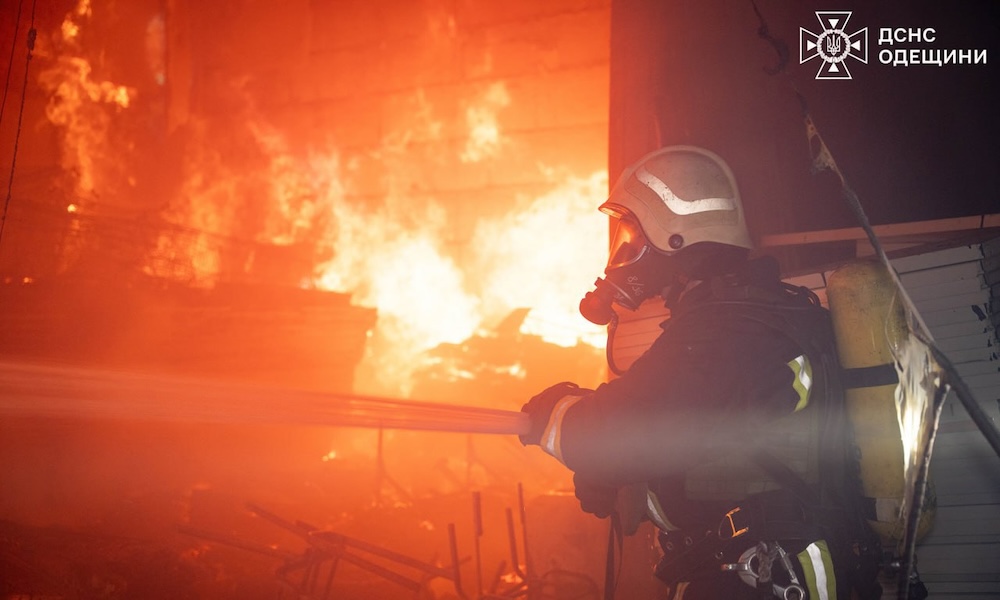
Ras Laffan attacks fundamentally reshape global LNG outlook as recovery timeline likely significantly extended in Oil & Companies News 20/03/2026 Missile attacks on Qatar’s Ras Laffan Industrial City have caused extensive damage including fires. This fundamentally alters the global gas market outlook, according to Wood Mackenzie analysis published today. Initial expectations of a two-month disruption are now likely to be exceeded. The 18 March strike damaged the Pearl GTL facility, while the subsequent attack caused further damage to several of the LNG facilities. Further assessment will be needed to understand the full impact. Qatari LNG production has been halted since 2 March and declared force majeure from 4 March, removing approximately 80 million tonnes per annum (Mtpa), around 19% of global LNG supply from the market. The under-construction North Field East expansion, which would add 32 million tonnes per annum, was anticipated for November 2026 startup but now faces potential delays that could reshape supply growth expectations through 2027-2028. “Market expectations had been for a short disruption, with a controlled restart restoring supply to pre-conflict levels by mid-2026. That outlook now appears increasingly unlikely,” said Kristy Kramer, Head of LNG Strategy and Market Development. “A more prolonged outage would further tighten the global supply and keep prices elevated for longer.” Before the attacks, Wood Mackenzie forecasted four to six weeks to ramp up Qatari LNG production to full capacity, based on a scenario of three days to restart upstream operations and a seven-day ramp-up per liquefaction train. The timeline is now expected to extend depending on the extent of damage and required repairs. Global LNG supply growth at risk if disruption extends Prior to the conflict in Middle East, Wood Mackenzie expected global LNG supply to grow by 35 Mt in 2026. With Qatar producing an average of 6.7 Mt per month in 2025, a disruption lasting five to six months would push annual global supply into year-on-year decline. “Even if supply were maintained at 2025 levels, the market would still face demand destruction in Asia, lower storage injections in Europe, and sustained upward pressure on gas and LNG prices,” said Daniel Toleman, research director, global LNG, at Wood Mackenzie. “Each additional month of disruption removes around 1.5% from annual global LNG availability.” The North Field East expansion project, expected to add 32 Mtpa of capacity, had already been delayed into 2027 prior to the attacks. Further delays would constrain supply growth into 2027–2028, limiting the market’s ability to rebalance. Asia most exposed as Europe turns to fuel switching Asian buyers face the greatest exposure to Qatari LNG, having accounted for around 90% of cargoes in 2025. Several countries are particularly vulnerable: • Bangladesh: High exposure to spot prices with limited ability to absorb cost increases • India: Balancing rising energy costs against economic growth impacts • Taiwan: Limited alternatives beyond increased reliance on coal Asian LNG demand is now expected to contract. Wood Mackenzie’s pre-disruption growth forecasts of 10 Mt had already been reduced to 2 Mt under a two-month outage scenario; a prolonged disruption will push demand into decline. In Europe, lower LNG availability is expected to reduce storage injections and accelerate fuel switching. Gas-to-coal switching is likely to continue. European storage levels may
Ras Laffan attacks fundamentally reshape global LNG outlook as recovery timeline likely significantly extended
Hellenic Shipping News
Read full article at Hellenic Shipping News →
Opens Hellenic Shipping News in a new tab