pi_circular Cargo riskInsurance & claims NNPC Marine
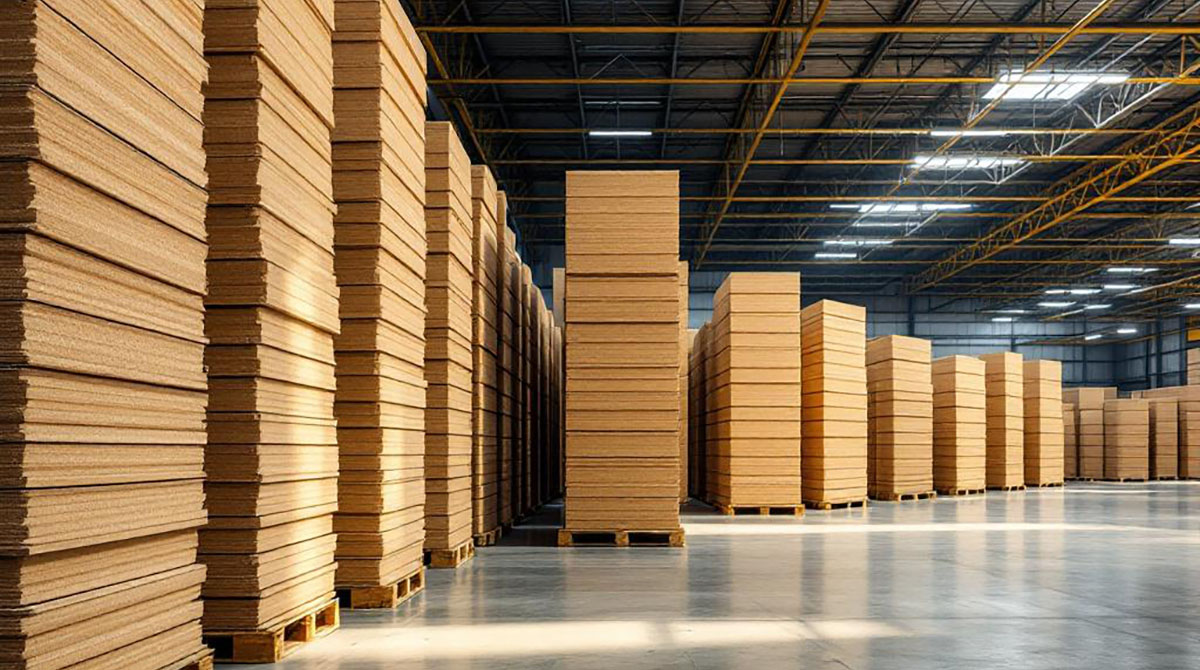
News and publications NewsThe risk of carrying chipboardPublished: 27 January 2026NewsCargoPreventionAs members will be aware, the carriage of chipboard has inherent risks. Whilst the frequency of claims has been reduced as shippers, shipowners and authorities have taken steps to mitigate risks with improvements in packaging, better stowage and lashing plans, and the development of better cargo securing guidelines, the implications can be significant when things go wrong. During transit, chipboard cargoes, usually carried in strapped stacks, are exposed to rolling, pitching and humidity. Due to the sensitive nature of the cargo and its intended use, any damage can result in operational complications when discharging and claims from the receivers. The nature of chipboard cargoes is that they are particularly sensitive to damage, in particular: Chipboard readily absorbs moisture and water, which leads to swelling, warping, delamination, or mold. During carriage at sea, high humidity, rain, and condensation from temperature shifts can all result in the cargo being exposed, in particular when cargoes are not wrapped in plastic sheeting. Physical damage can arise during the voyage as a result of loading and discharge and from shifting during transit. Poor lashing and stowage causes bundles to slide, tip, or collapse, damaging edges, corners, or entire stacks. The safe carriage depends on the cargo being properly packaged by the shipper. The cargo should be shipped in bundles or pallets, wrapped tightly in waterproof materials such as plastic stretch film, shrink-wrap, or polyethylene sheeting. The stacks should be reinforced with edge protectors and the strapping used should be suitably strong and non-corrosive and tensioned appropriately. The dunnage used should be non-absorbent (e.g., timber or plastic) and ensure that the cargo does not make contact with the tank-top. Before loading, ventilation should be carefully planned and stacks placed squarely and uniformly, wit
The risk of carrying chipboard
NNPC Marine
Read full article at NNPC Marine →
Opens NNPC Marine in a new tab