pi_circular ContainerLNG / LPG UK P&I Club
LNG - Alternative Fuel Spill Response Considerations Fuel characteristics and industrial background Liquefied natural gas (LNG) is natural gas transported and stored as a non-toxic cryogenic liquid, composed predominantly of methane. It has been shipped globally in bulk for more than 60 years in specialist gas carriers, many of which use boil-off gas from cargo tanks as fuel for propulsion. This long history of carriage and use has resulted in a strong understanding of LNG properties, handling requirements and associated risks, making it one of the most established alternative fuels currently available to the maritime sector. Production pathways and decarbonisation role LNG is produced through the purification and liquefaction of natural gas extracted from hydrocarbon reservoirs, which are widely distributed globally and underpin its broad availability. Lower-carbon alternatives, including bio-LNG derived from biogas, are increasingly being developed and can significantly reduce lifecycle emissions compared with conventional fossil-based LNG. Nevertheless, the majority of LNG supplied to the marine market remains fossil derived, and it is therefore generally regarded as a transition fuel, offering emissions reductions relative to conventional fuel oils while bridging towards zero-carbon options such as ammonia and hydrogen. Infrastructure, fleet uptake and operational experience LNG benefits from extensive existing infrastructure and operational maturity. More than 220 ports worldwide are capable of LNG bunkering, and LNG-capable vessels represent the largest share of the alternative-fuelled fleet, with more than 1,500 vessels in operation and a substantial orderbook. Adoption is particularly strong in the containership sector, exemplified by the deployment of ultra-large, LNG-fuelled container ship classes such as CMA CGM’s JACQUES SAADÉ class (≈23,000 TEU), Hapag-Lloyd’s HAMBURG EXPRESS class (≈23,600 TEU) and Evergreen Marine’s 24,00
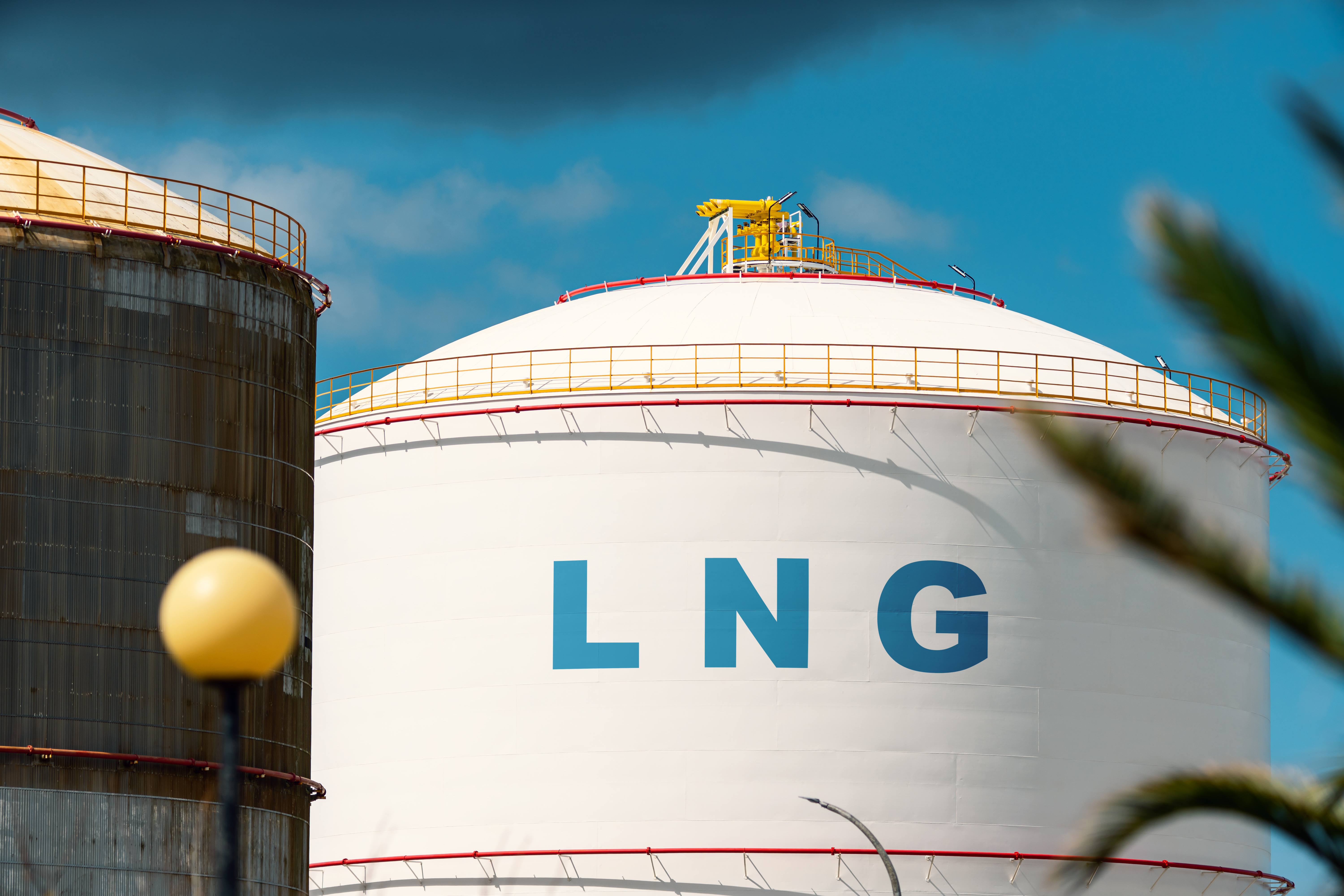
LNG - Alternative Fuel Spill Response Considerations
UK P&I Club
Read full article at UK P&I Club →
Opens UK P&I Club in a new tab