pi_circular Cargo risk Skuld
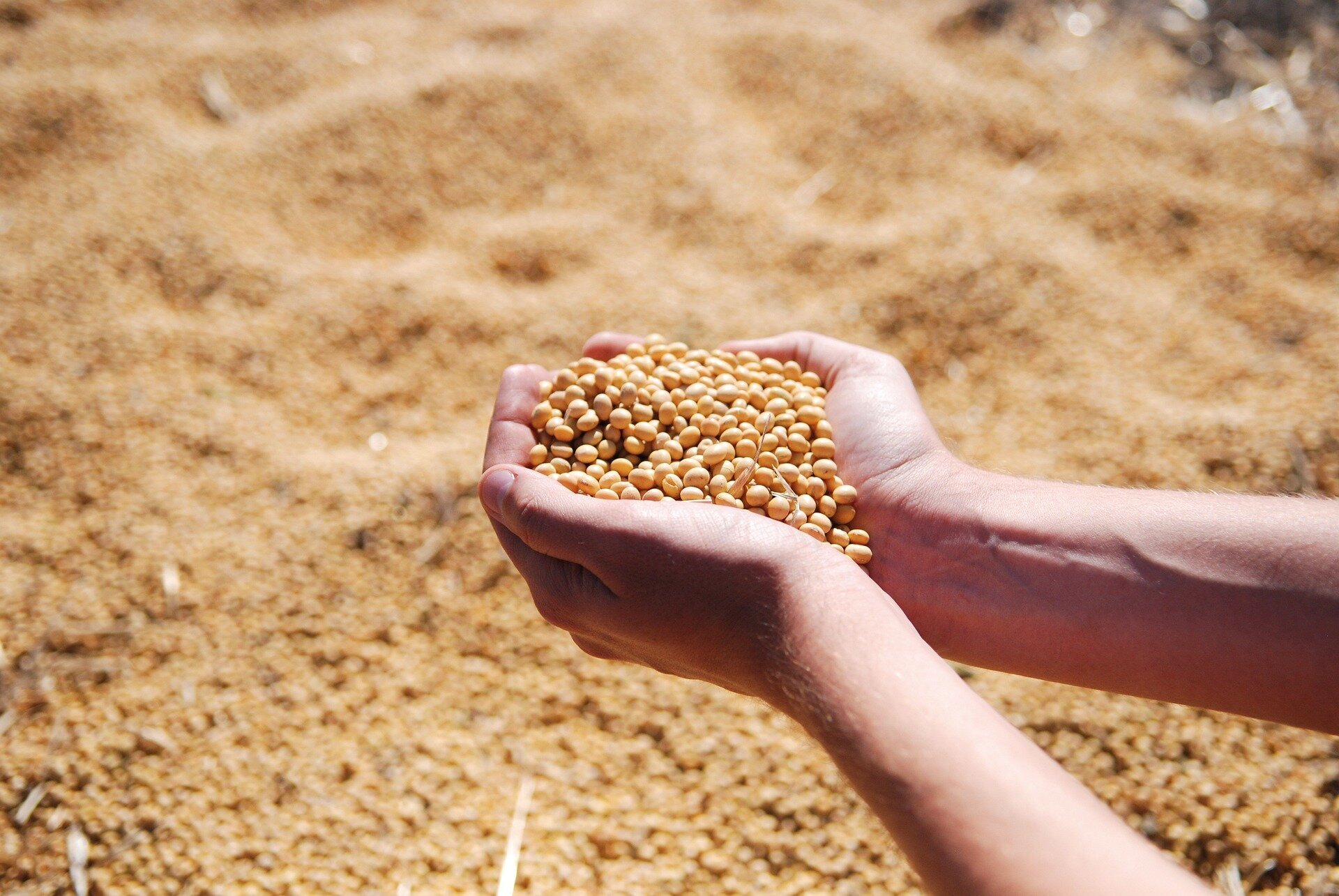
As set out in our Circular dated 25 November 2016 the Association has come across various claims arising out of soybeans with excessive moisture content being loaded in Brazil and discharged in China. This circular aims to provide an update on loading/storage conditions at Brazilian ports, especially in Santos and Paranagua, and also ports in Argentina. Delay in transportation to northern ports of Brazil, Santarem and Itaxoatiara Significant delay due to heavy rain has been experienced for cargoes transported on the route from Cuiaba (State of Mato Grosso) to Santarem (State of Para) on highway BR-163. This is from the center of soy plantations in Mato Grosso to the border of the state of Para. The highway is tarmac but some 1,000 km to the northern port of Santarem on the Amazon River the highway is in a very bad state, especially during heavy rain periods. Many trucks got stuck in the mud and soybeans were transported back to the southern/southeastern ports of Santos and Paranagua. Storage conditions at Santos and Paranagua Soybeans are transported from farms to warehouses in Santos and Paranagua by trucks and railcars where the cargo is covered with heavy tarpaulins. Loading in these ports is done by means of shiploaders, supplied by conveyor belts from warehouses. All the cargo is stored in warehouses instead of in open yards. Image of Terminal ADM-39 at Santos, where grains are loaded Storage conditions in Argentina In the last sowing season several provinces of the country experienced heavy rains (for example, relevant areas of Buenos Aires / Santa Fe / Córdoba). Some crop areas were affected by flooding, especially soya and maize which have been harvested or will be harvested soon. After the harvest there can be different scenarios for the subsequent storage: a. Silo bags in the field; b. Cells or silos (either owned by the farmer or from a third parties, including grain terminals); c. Occasionally the harvest is loaded onto trucks and sent
Brazil and Argentina: Soybeans with high moisture content
Skuld
Read full article at Skuld →
Opens Skuld in a new tab