news Geopolitical riskSafety & casualty MarineLink
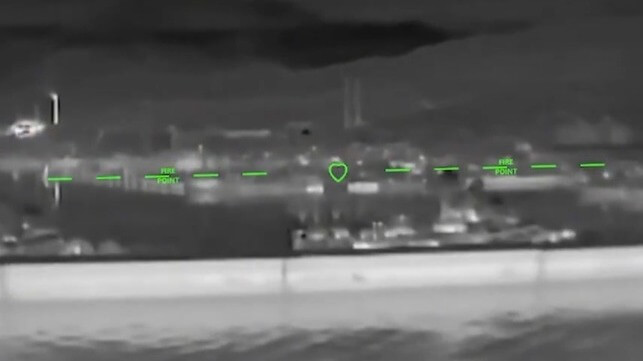
Ukrainian Drones Hit Tuapse Port Again, Environmental Crisis Deepens Maritime Activity Reports, Inc. May 1, 2026 Source: social media Ukrainian drones struck Russia's Black Sea port of Tuapse on Friday for the fourth time in 16 days as authorities struggled to cope with a mounting environmental disaster from toxic black smoke clouds and oil leaking into the sea . Ukraine's SBU security service said drones had again struck the sea port and refinerythat make Tuapse an important hub for Russian oil exports. Reuters could not confirm the latest strike on the refinery, which has been hit and set ablaze at least twice since April 16 in previous attacks that have halted production. Local Russian officials said a major operation was under way to put out a fire at the sea port. OIL SLICKS ALONG COASTLINE The attacks have thrown up dense black clouds over the town and caused oil slicks along the coastline, ruining the beaches of the popular resort. They are part of what President Volodymyr Zelenskiy said was a Ukrainian strategy to disrupt Russia's huge energy industry and knock key sites out of operation for as long as possible. He posted on X that these operations had slashed at least $7 billion since the start of the year from energy revenues that Russia uses to finance the war. It was not possible to independently confirm that figure. Moscow, on the other hand, stands to reap a windfall in oil profits from rising global prices resulting from the war between the United States, Israel and Iran. More than four years into their conflict, Russia and Ukraine have been pounding each other from the air, while frontlines on the battlefield remain largely static. Throughout the war, Russia has frequently bombed Ukrainian power plants and the electricity grid. A Russian drone attack overnight damaged port infrastructure in Ukraine's southern Odesa region and wounded two people, the regional governor said. A
Ukrainian Drones Hit Tuapse Port Again, Environmental Crisis Deepens

MarineLink
Read full article at MarineLink →
Opens MarineLink in a new tab