news Safety & casualtyCompliance & regulation Splash247
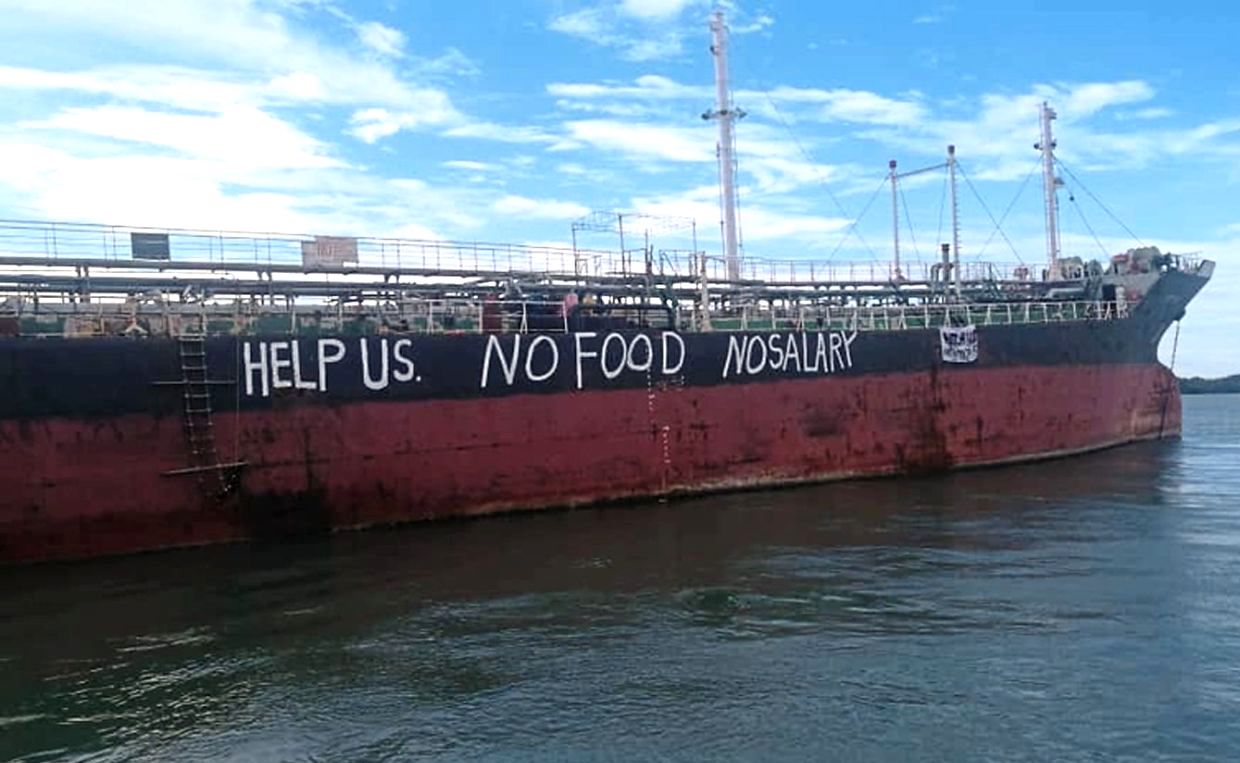
With seafarer abandonment figures at all-time highs and rising for many years in a row, concrete proposals to stamp out the scourge have been sent to Splash Extra. Seafarer abandonment hit record levels in 2025, according to new data compiled by the International Transport Workers’ Federation (ITF), with 6,223 seafarers abandoned across 410 ships, the sixth year in a row that the number of vessels on which abandonments occurred has broken records. The numbers represent a 31% increase in such ship abandonments compared to 2024, and a 32% increase in seafarer abandonment. The ITF has three ideas to tackle seafarer abandonment. First, flag states must be compelled to log a ship’s beneficial owner, including contact details, as a pre-condition for registration. Secondly, national blacklisting of ships should happen to protect seafarers from ships with repeated involvement in abandonment cases. Finally, the ITF is calling on governments to investigate the use of flags of convenience. Kuba Szymanski, secretary general of InterManager, writing for Splash recently, noted that some systems dramatically reduce this risk. “The Filipino model does one crucial thing: it creates clear responsibility. Government-certified agencies must follow the rules and are held accountable,” Szymanski wrote. As a result, Filipino crews appear far less frequently in abandonment cases than many other nationalities. “Now compare that with countries where seafarers can ‘self-employ’ or sign on with anyone, anywhere. Ukrainians, Poles, Pakistanis, Indians, Sri Lankans and others often take the only offers available — especially if they are older, female, or considered less ‘employable’ by the mainstream market. That is exactly the demographic unscrupulous owners and shadow fleets target,” Szymanski added. A spokesperson for the International Maritime Organization (IMO) said the forum to discuss abandonment, the legal committee, is due to meet in a couple of months with many submissions on the matter. “IMO takes the matter of abandonment very seriously and remains extremely concerned about the increase in reported cases,” the spokesperson said. Make ship operations more transparent and make non-compliance commercially painful Helio Vicente, director of employment affairs at the International Chamber of Shipping (ICS), said a key priority to tackle the issue is in ensuring that the data is accurate, comprehensive and regularly updated. Vicente is leading a task force to review and enhance the UN’s abandonment database. “Better data enables faster action, greater accountability and, ultimately, stronger protection for seafarers,” Vicente claimed. Carl King, who heads up Seafarer Social, a platform to improve crew welfare and retention, argued that abandonment will only reduce when the industry stops treating it as a welfare issue alone and starts treating it as a tradability issue. “The real solution is transparency and infrastructure: create a system where seafarers can report abuses safely, in real time, and where those reports directly affect a ship’s ability to trade,” King urged. Chirag Bahri, international operations manager at the International Seafarers’ Welfare and Assistance Network (ISWAN), had a number of suggestions to battle abandonment, starting with knowledge and awareness among seafarers. “The more informed seafarers are, the lower the likelihood of facing serious difficulties,” Bahri urged, saying it was essential to provide mandatory training for young
Seafarer abandonment sparks radical policy push

Splash247
Read full article at Splash247 →
Opens Splash247 in a new tab