news Tanker Geopolitical riskOperational risk Marine Insight
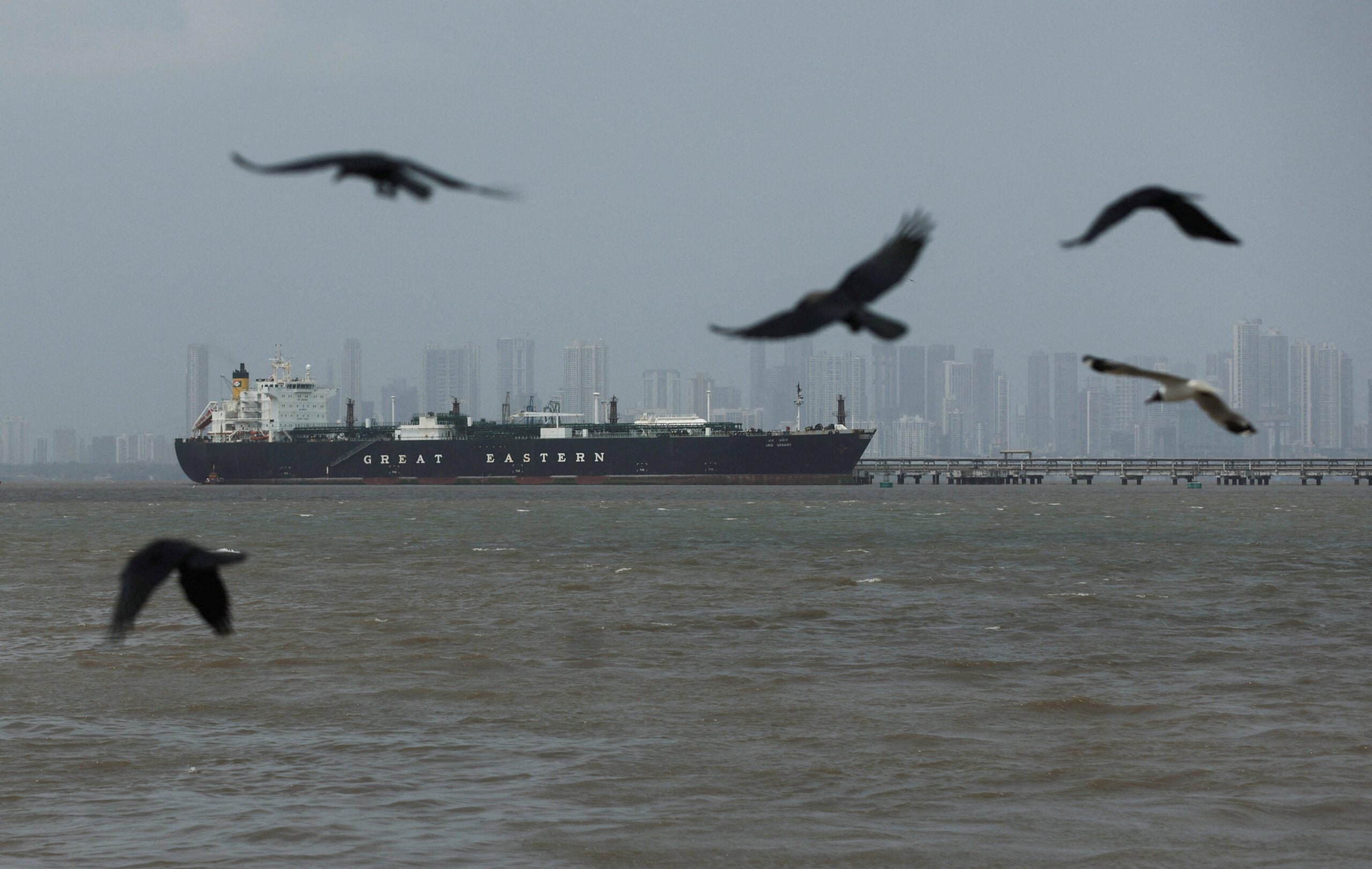
Image for representation purposes only U.S Navy guided 20 crude oil tankers through the volatile Strait of Hormuz on some nights, Interior Secretary Doug Burgum claimed. He added that a few among the escorted vessels were ultra-large tankers which could hold two million barrels of crude, he said on Friday in an interview with a popular U.S media outlet. The comments support what U.S President Donald Trump had claimed a few days back. Trump had said that U.S forces in the region facilitated the oil trade through the energy chokepoint. The closure of Hormuz by Iran in response to U.S-Israeli attacks on the Islamic Republic largely crimped th global oil supply chains, drove up oil prices, and inflation. The ship attacks and interdictions in the Gulf undertaken by U.S forces also brought intense criticism from allies like India, which lost atleast 3 seafarers in the recent attack on oil tanker Settebello. Trump also claimed that the U.S aided in bringing to the market atleast 100 million barrels of oil, a comment which confused analysts and observers. He led a secret mission in May to support commercial shipping, which led to the flow of oil from the Gulf to the world. Burgum also said that Trump’s Project Freedom, which was a plan to escort ships out from the Strait of Hormuz, which was stopped in May, after pressure from Gulf allies, was restarted, but secretly to prevent Iran from threatening the ships in the region. Since the advent of the U.S.-Iran war in February, shipping through the Strait has come to a standstill and has disrupted the oil, gas and other economic commodities. Before the conflict, around 20 million barrels of oil and other energy products passed through Hormuz daily, equal to 20% of global oil demand.
U.S Navy Escorts 20 Tankers Through Hormuz On Some Nights, Claims Interior Secretary Doug Burgum

Marine Insight
Read full article at Marine Insight →
Opens Marine Insight in a new tab