news Safety & casualty Splash247
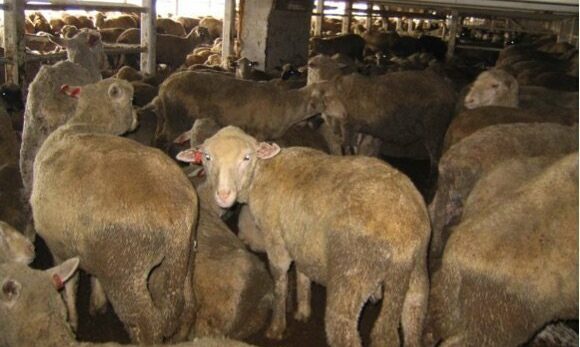
The plight of more than 16,000 animals stuck on a boiling-hot livestock carrier for the past month has made headlines around the world. Dr Lynn Simpson, a well-known former live export veterinarian, writes for Splash today, praising the Australian government for locating its backbone finally. A callous, selfish, greedy and unconvincing application to re-export nearly 17,000 animals to the Middle East, without so much as a day’s rest away from the vessel after the first aborted voyage, has been rejected by the Australian government on February 5 – not a minute too soon. These animals first left Australia on the Israeli-owned Bahijah on January 5. They were returned to Australian waters 24 days later after the company conceded that the risks of taking an Israeli vessel full of animals past the trigger-happy, Israeli hating, Houthi militia was dangerous (the Corriedale Express was hit with rocket shells and sprayed with machine gun fire in the 1980s by Iranian gunboats; livestock ships are not immune). Having now applied to re-export the animals it is clear to all that animal welfare did not provide the ethical or moral compulsion which led to the ship being turned around. After hanging off the Australian coast for the past week the Bahijah is now re-berthing on February 8 in Fremantle for the third time since her return to Australia. This time to finally unload the nearly 17,000 sheep and cattle who have been on board needlessly and exposed to unnecessary stress, harm and suffering for 36 days. Right back to where they started. Whilst the animals may not get a ticker-tape parade, those who have survived (don’t forget, deaths have occurred, animal bodies have been feeding the fish for a while now and recently requiring disposal in a feedlot after hundreds of cattle were unloaded at the exporter’s request last Friday) the journey so far will get a much-deserved reprieve from the crowded, noisy, stressful conditions of living on a ship and hopefully a long overdue rest with the capacity to walk out of farts range from their nearest and now well-acquainted companions. Live exporters should think about trading in for a reefer These animals have done something no other consignment has ever achieved; they have returned to Australia to have their stories told. The crew will no doubt give a sigh of relief to be able to unload the animals after being flung into the global spotlight. Having worked around the clock to look after their charges in difficult conditions, they will be happy to throw the ropes again so they can head to sea and begin the arduous job of soaking, scraping, and scrubbing the ship clean. Commonly we are exposed to nauseating industry public relations images of clean ships freshly loaded or loading with healthy fresh, albeit flustered animals finding their place in new pens and decks on the ships. Nauseating to me as I know they capture a point in time and conditions that will not be repeated again until the next voyage begins. All live export voyages simply get more filthy and unacceptable to the population in general the longer they proceed. Now the public has been able to witness animals expressing malaise, fatigue, increased respiratory rates and the ships continuous management requirements to repeatedly return to deep water away from the Australian shore so they can hose out the ever-deepening build-up of faeces and presumably dump dead bodies. I believe this will have been an eye-opener for many of the vets and officials w
Live Animal Export: The animals who returned home to have their stories told
Splash247
Read full article at Splash247 →
Opens Splash247 in a new tab


