news Safety & casualtyOperational risk Splash247
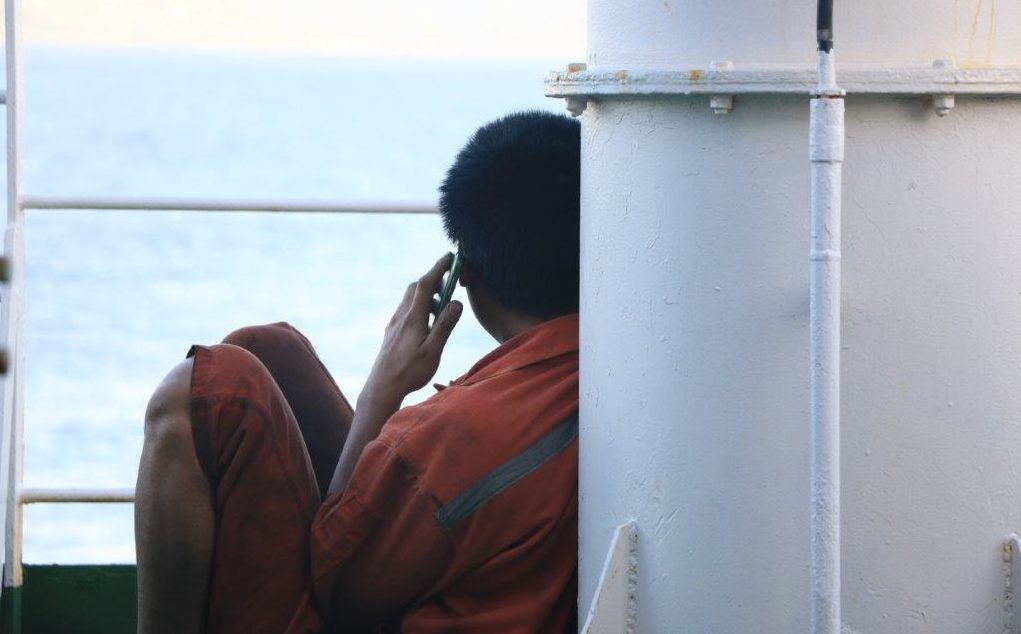
Dr Linda Sorensen, co-founder of Bigyellowfish, says mental health issues risk undermining the sustainability of the maritime sector. Seafarers often must perform in high-pressure environments given the unpredictable conditions of working at sea. Inclement weather, time pressures and long working hours are just some of the common difficulties of life onboard. In recent times, decarbonisation and new regulatory demands have also increased the level of stress among seafarers. A recent survey conducted by ISWAN (International Seafarers Welfare and Assistance Network) revealed that while seafarers support the fight against climate change, more than half say that new decarbonisation technologies and regulations have negatively impacted their workload, leading to higher levels of stress and fatigue. Many seafarers feel ill-equipped to deal with the pace of change and the amount of reporting required, and they need to be given the tools and skills to meet these increased demands. An urgent challenge There are three types of stressors that contribute significantly to mental health problems among seafarers. The first relates to environmental factors such as bad weather, work shifts or contract length. The second relates to social problems such bullying or feeling homesick, while health issues like physical injuries or illnesses are also commonly known to cause stress for those at sea. While general stress levels at work across all industries have remained at a high level since the pandemic, the mental wellness of seafarers is of urgent concern knowing that the suicide rate among seafarers is estimated to be two to three times higher than the global average for other professions, with approximately 15-20 suicides per 100,000 seafarers annually. Hence, mental wellness in maritime must be given the attention it deserves and backed up by concrete actions. One of the ways to effect change is by normalising conversations about mental health onboard vessels and making it part of the daily routine, just like safety briefings. There are many examples that prove the efficacy of early identification and timely psychological intervention in addressing mental health problems. Overcoming barriers Shipowners and management need to set the right tone and message to ensure a culture where mental wellness is truly embraced beyond just a safety compliance parameter. Based on the data and interactions we have with seafarers; we have identified the following reasons that are preventing seafarers from seeking help with mental issues. Firstly, they are afraid that reaching out would have a detrimental impact on their work assessment with some even fearing losing their job. The second most common barrier is doubting whether one’s problem is ‘big’ enough to warrant seeking help. Creating a conducive environment for mental wellness also means looking out for fellow crew members who may be showing signs of stress. In this regard, we found out that the main barrier to extending help to others is feeling ill-equipped to render the right assistance. Timely support There are three vital tools that can facilitate timely mental health support, also known as the 3As: Acceptance that mental health matters, awareness of early identification of mental health problems, and availability of timely mental health support. Devising strategies to achieve the 3A’s mentioned above would be a significant step towards promoting safety at sea. Among others, it involves a mindset shift at the m
Strengthening resilience at sea
Splash247
Read full article at Splash247 →
Opens Splash247 in a new tab