regulation Decarbonization & energyCompliance & regulation BIMCO
Ever since the early days of the UNFCCC in the late 1990s, dealing with greenhouse gas emissions from ships has been on the IMO agenda. This has resulted in increasingly demanding requirements such as the EEDI, the EEXI, the CII and the SEEMP. A strategy outlining the ambitions and how to achieve them was also agreed in 2023. The IMO 2023 Strategy on Reduction of GHG Emissions from Ships outlines targets in the short, mid and long term. Short term is a relative target of improving energy efficiency by at least 40% by 2030 compared to 2008. The mid-term targets are a set of absolute indicative checkpoints leading to net-zero GHG emissions by or around 2050. The indicative checkpoints are suggested to be points on the trajectory from 2023 to 2050, with the 2040 checkpoint to be at least 70% below 2008 emissions, striving for 80%. The strategy also envisages the ambitions being implemented by a technical and an economical measure without specifying in detail what those should be. The IMO Net-Zero Framework (NZF) Developing the mid-term measures to implement the strategy has been an ongoing process for many years. The strategy agreement in 2023, where the end goal moved from a 50% reduction by 2050 to net zero, focused member states’ attention and laid bare a need for drastic measures to be developed. At the same time, the EU had developed the FuelEU maritime regulation building on a fuel GHG intensity metric and taking well-to-wake (WtW) emissions into account. EU countries injected the GHG Fuel Intensity (GFI) model into the IMO work to form the basis of the technical measure. The IMO was already deeply engaged in the development of lifecycle analysis guidelines for certification of marine fuels according to their WtW emissions. This work is not yet finished but forms the bedrock for assessing a ship’s true emissions footprint. Various models for an economic instrument had been injected into the IMO process. Ranging from EU ETS-like emissions trading schemes to flat l
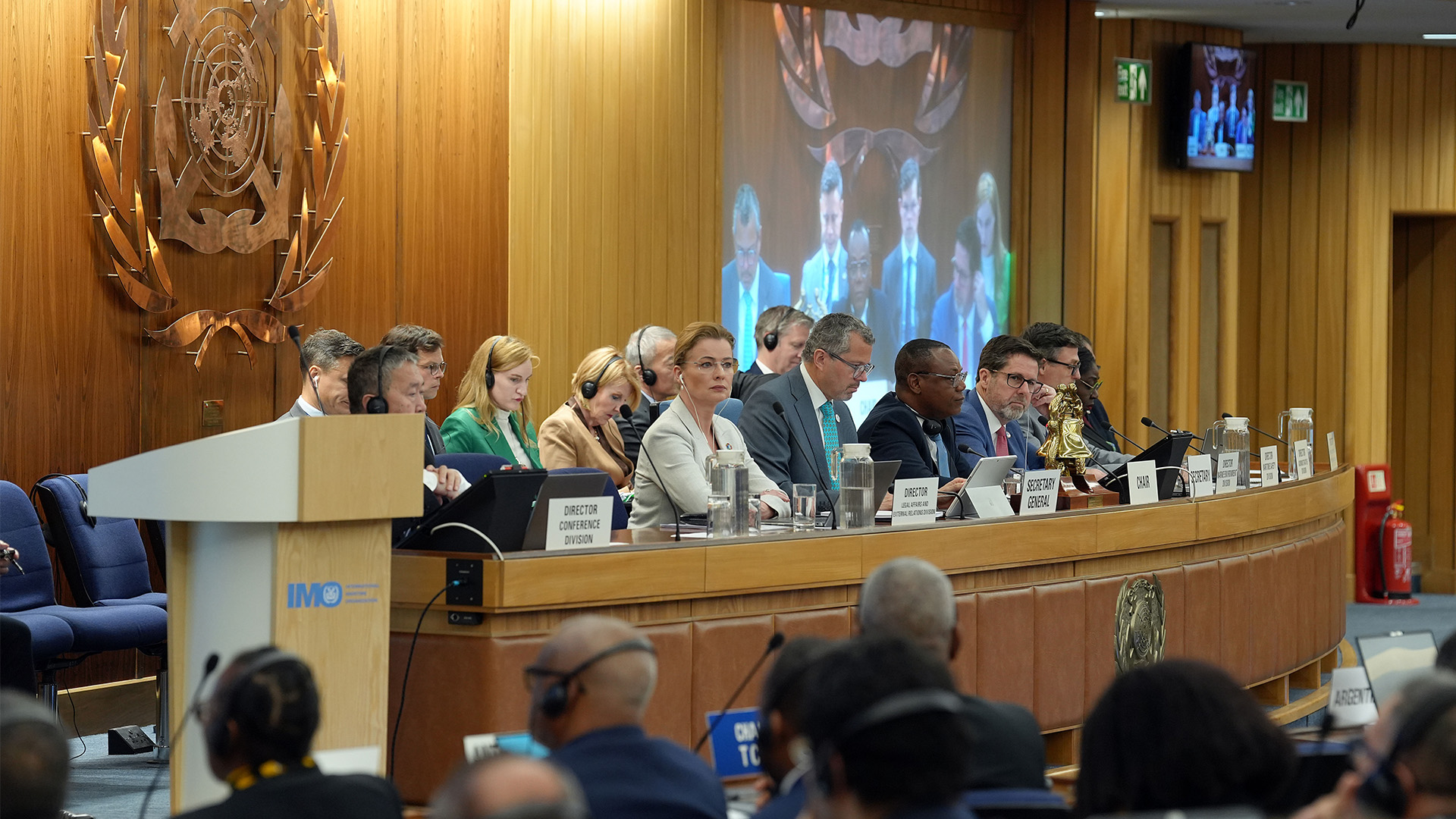
The what, why and what's next of the 2nd MEPC Extraordinary Meeting

BIMCO
Read full article at BIMCO →
Opens BIMCO in a new tab