news Tanker Geopolitical riskOperational risk Hellenic Shipping News
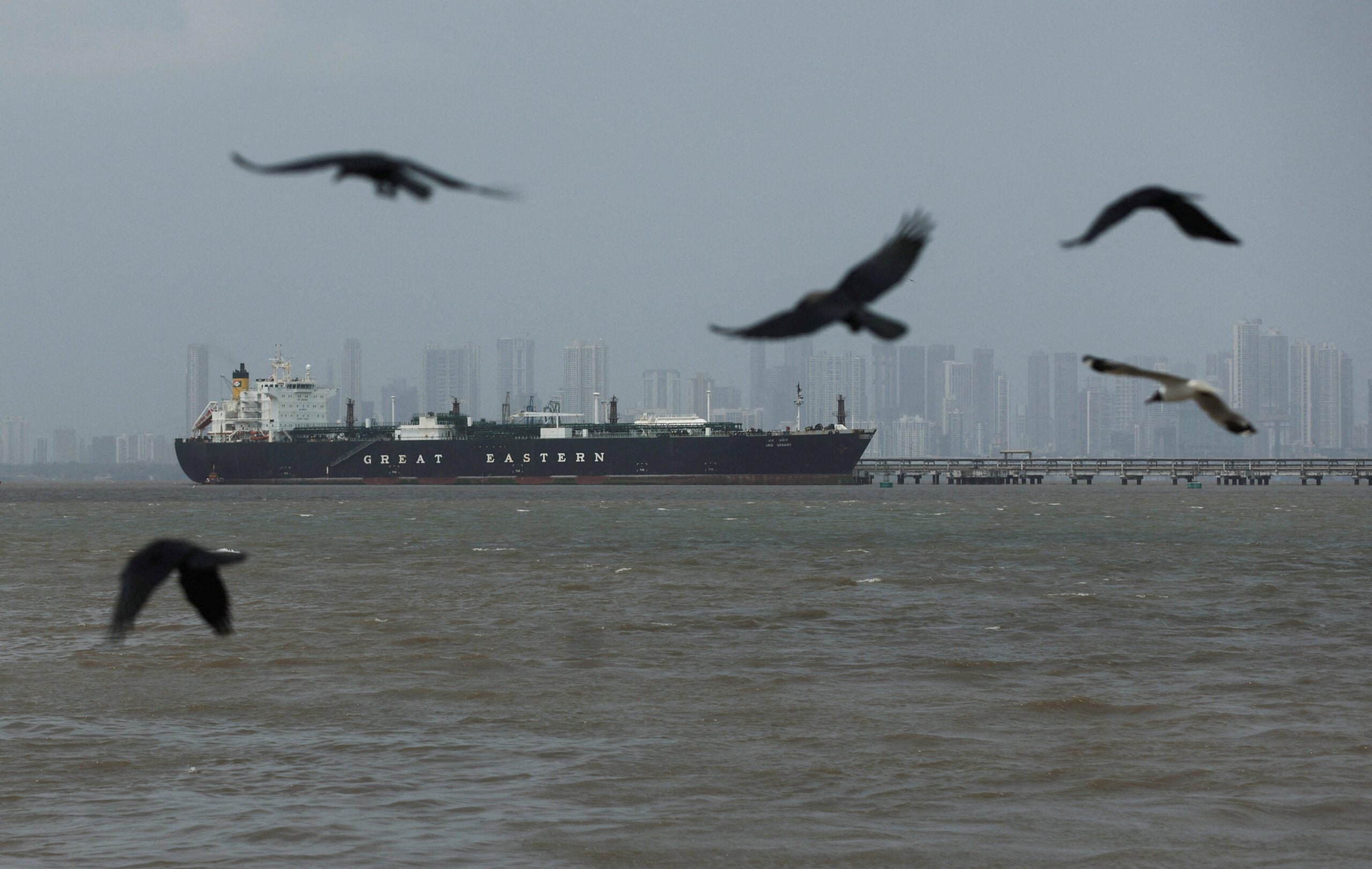
Strait of Hormuz: critical region for international oil and gas supplies in International Shipping News 27/01/2026 According to tanker data, over 40% of crude oil imported by Indian refiners is transported from various oil-producing countries in West Asia via the Strait of Hormuz. Its importance for India’s energy supply and security cannot be understated. The unrest in Iran and the possibility of US military strikes against the country have other West Asian powers like Saudi Arabia, the United Arab Emirates, Qatar, and Oman evidently worried. While several Gulf countries have had a rather strained relationship with Iran, they have been actively working with the Donald Trump administration in a bid to prevent US military action that could topple the regime in Tehran, according to reports in international media. The efforts seem to have worked for now, but the situation remains tense and fragile, and the possibility of US intervention has not been ruled out. Trump recently said that a US naval armada was heading towards the region, but added that he would “rather not see anything happening”, and Washington was watching Iran “very closely”. “And maybe we won’t have to use it… We have a lot of ships going that direction, just in case, we have a big flotilla going in that direction, and we’ll see what happens,” Trump told reporters late last week on Air Force One while returning from the World Economic Forum in Davos. The answer to why powerful capitals in West Asia have been working hard for de-escalation lies in their pursuit of regional balance and their own economic and strategic interests. They see a destabilised Iran as a bigger threat to their interests and stability than an unfriendly regime in Tehran. And among the key drivers for their neutral stance and de-escalation efforts is a usual suspect — oil and gas — and a supply chokepoint that is central to global energy flows. Strait of Hormuz: critical region for international oil and gas supplies The Strait of Hormuz is a narrow waterway between Iran and Oman, which connects the Persian Gulf with the Gulf of Oman and the Arabian Sea. The US Energy Information Administration (EIA) calls it the “world’s most important oil transit chokepoint”, with around one-fifth of global liquid petroleum fuel consumption and global liquefied natural gas (LNG) trade transiting the Strait. According to global real-time data and analytics provider Kpler, West Asian oil producers remain uniquely exposed to disruption in the Strait of Hormuz, roughly 15 million barrels per day (bpd) of seaborne crude and around 20% of global LNG volumes transit daily from this important chokepoint. Iran has, time and again, threatened a blockade of the Strait and strikes against tankers transiting it. Moreover, there is a lurking threat of strikes by Iran’s proxies in Yemen against tankers transiting the Bab el-Mandeb that connects the Red Sea to the Gulf of Aden and the Arabian Sea, and is a critical artery for global energy flows that transit the Suez Canal. Beyond direct strikes on infrastructure, other potential retaliatory pathways include: harassment or temporary closure of the Strait of Hormuz and escalation around alternative maritime chokepoints, notably the Bab el-Mandeb, threatening Red Sea trade routes and tanker flows,” Homayoun Falakshahi, Head of Crude Oil Analysis at Kpler, said in a recent note. “Officials reportedly feared that US strikes on Iranian targets could have triggered Iranian retaliation agai
Strait of Hormuz: critical region for international oil and gas supplies
Hellenic Shipping News
Read full article at Hellenic Shipping News →
Opens Hellenic Shipping News in a new tab