news Operational risk Marine Insight
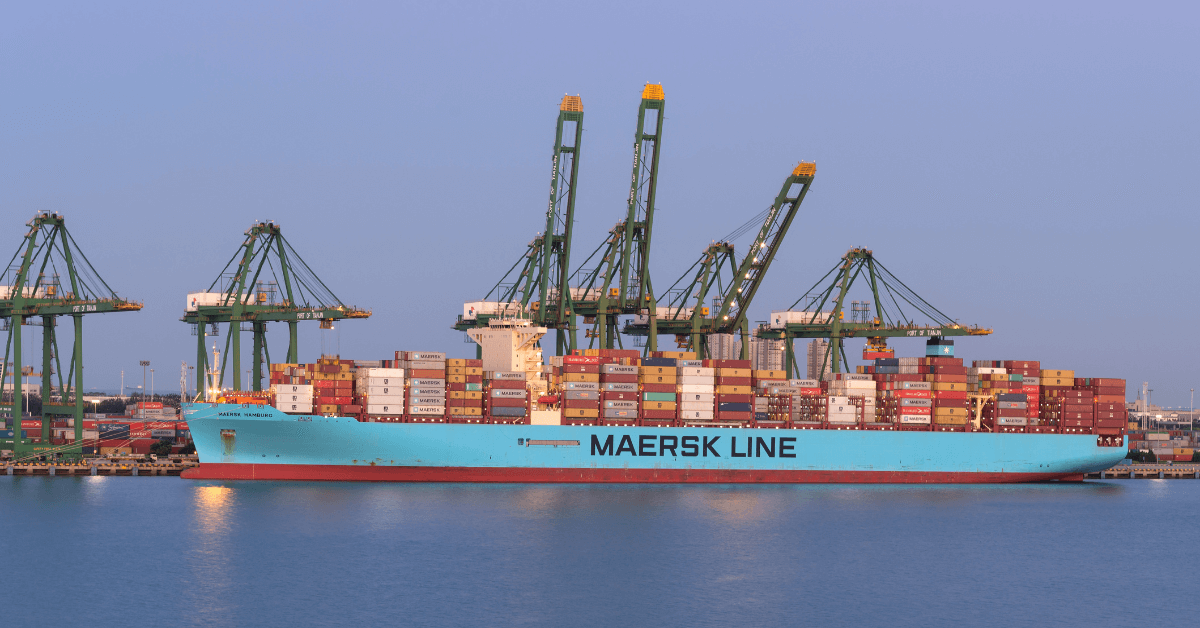
The merchant navy is the driving force of the world economy, yet it is often misunderstood by the public, most of whom confuse it with the military. In contrast, others envy seafarers for living a life of adventure and endless travel to new places around the world. However, most of it is not true. The reality is very different, and in this article, I will discuss 10 things about merchant navy you must know. It is not just a job; it is an all-encompassing lifestyle that demands a specific temperament. Image for representation purposes only 1. It is Commerce, Not Combat As mentioned above, the majority confuses the merchant navy with a country’s defence navy. While both share similar hierarchical structures, uniforms, and a disciplined environment, the core objectives of both are completely different. The Merchant Navy enables the world to conduct trade via oceans and seas. Seafarers are civilians manning different types of ships like oil tankers, container ships, bulk carriers, cargo ships, etc, which help transport 90% of the world’s commodities. Seafarers have to fight harsh weather conditions, focus on logistics, battle tight schedules and maintain calm in difficult situations like pirate attacks. On the other hand, the defence navy protects a country’s territorial borders, preventing the nation’s enemies from entering via seaways. It has warships like destroyers, aircraft carriers, frigates, patrol ships, etc. 2. The “Travel the World” Myth Has Changed Thirty years ago, a ship might have spent a couple of days at port so crew members could explore the city and buy whatever they wanted. However, that has changed considerably now. Modern Shipping has become efficient and fast with rapid turnaround times for vessels. For instance, a massive container ship might arrive and berth at a port in Singapore, unload cargo and then reload another cargo in just 17 to 18 hours. It would be back at sea before crew members can even step out to buy a souvenir. Additionally, most modern ports are industrial centres often located outside the main cities. So a seafarer visits different places and countries without actually enjoying or spending time there. Seafarers do see new places, but often through a porthole or from a terminal jetty. 3. The Remuneration is High, But It’s actually Compensation Merchant navy officers indeed earn significantly higher salaries than most of their shore-based peers, often tax-free depending on their country’s regulations. This financial allure is a major draw for young cadets. However, seasoned seafarers view this not just as a salary but as compensation for what is sacrificed. They are paid for missing birthdays, weddings, and festivals. They are compensated for the isolation, the irregular sleep patterns, and the inability to just “go home” at the end of the day. Under the Maritime Labour Convention (MLC, 2006) and its critical 2025 amendments, seafarers now have strengthened rights regarding repatriation, social protection, and the right to shore leave without discrimination. The high salary is legally balanced by the shipowner’s obligation to provide quality food, medical care, and guaranteed passage home, ensuring that financial rewards are backed by human rights. 4. Merchant Navy is the Ultimate Multicultural Workplace Long before “diversity and inclusion” became corporate buzzwords ashore, merchant ships were practising it daily. A typical crew of 20 can consist of five or six different nationalities, specialising
10 Things About Merchant Navy You Must Know

Marine Insight
Read full article at Marine Insight →
Opens Marine Insight in a new tab