news Operational riskMarkets & trade Marine Insight
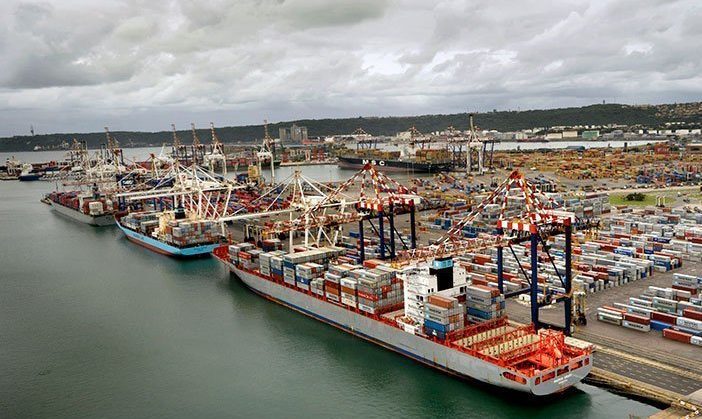
Image for representation purposes only Break-bulk cargo is handled at specialised terminals in port facilities. These terminals are vital links in the supply chain, handling goods that cannot fit into standard shipping containers, such as construction equipment, heavy machinery, turbine blades, generators, vehicles, steel, lumber, etc. We will discuss breakbulk terminals in this article and the numerous benefits they have for the maritime and logistics industry. However, first, let us define what the term breakbulk means. ‘Break Bulk’ refers to breaking down or separating cargo into smaller units or pieces, which makes it easy to handle the goods for storage and distribution. This translates to cargo, which is loaded individually onto ships. Break bulk terminals, also known as general cargo terminals, handle cargo which is directly loaded into a ship’s cargo hold or even packed in bags, boxes, crates, drums and barrels. Handling cargo at break bulk terminals is usually labour-intensive and requires individual lifts and stowage planning, which makes operations complex compared to an automated container terminal. Additionally, unlike the other terminals, a breakbulk facility needs an extensive and flexible array of material handling equipment. Infrastructure of a Break Bulk Terminal A break-bulk facility must have equipment that caters to versatile goods ranging from palletised items to heavy or even oversized components. They usually have wider aprons (which is the area between the shed/storage and the pier) than container terminals to accommodate massive storage areas and enable the manoeuvring of several lifting equipment. The terminal is well-equipped to accommodate conventional tramp vessels to specialised heavy-lift ships. Robust fendering systems are mandatory for absorbing the impact of different hull forms during mooring. Break Bulk Terminals have high-capacity lifting gear, including a gantry or level luffing crane with high lift capacity and extended reach. They also possess mobile harbour cranes, which are highly flexible, and are rubber-tired or rail-mounted and can shift position to support many vessels or different cargo holds at once. Storage Facilities Break bulk terminals have covered storage areas or transit sheds, which are massive, dehumidified warehouses essential for weather-sensitive cargo like bagged cement, paper and steel products. Sheds are of proper height and size for cranes to access them. Image for representation purposes only There are also open storage areas, which are needed for heavy and oversized project cargo. The pavement is made such that it can withstand high point loads. These specialised facilities have a range of capacities from small industrial lifts to heavy-duty forklifts that can handle heavy steel coils. They also have trailers, self-propelled modular transporters, a vast inventory of slings, shackles, spreader beams and lifting frames. Advantages of Break Bulk Terminals One of the major advantages of break-bulk terminals is their ability to provide tailored solutions for unique logistical challenges. They offer specialised equipment and facilities, including warehouses, open storage areas and distribution centres to cater to specific cargo requirements. Terminal operators can adapt to the needs of different industries, providing customised services to ensure optional handling, storage and transportation of goods. They also help minimise handling and transportation costs. Since cargo is not
What Is A Break Bulk Terminal?

Marine Insight
Read full article at Marine Insight →
Opens Marine Insight in a new tab