pi_circular Safety & casualtyInsurance & claims Skuld
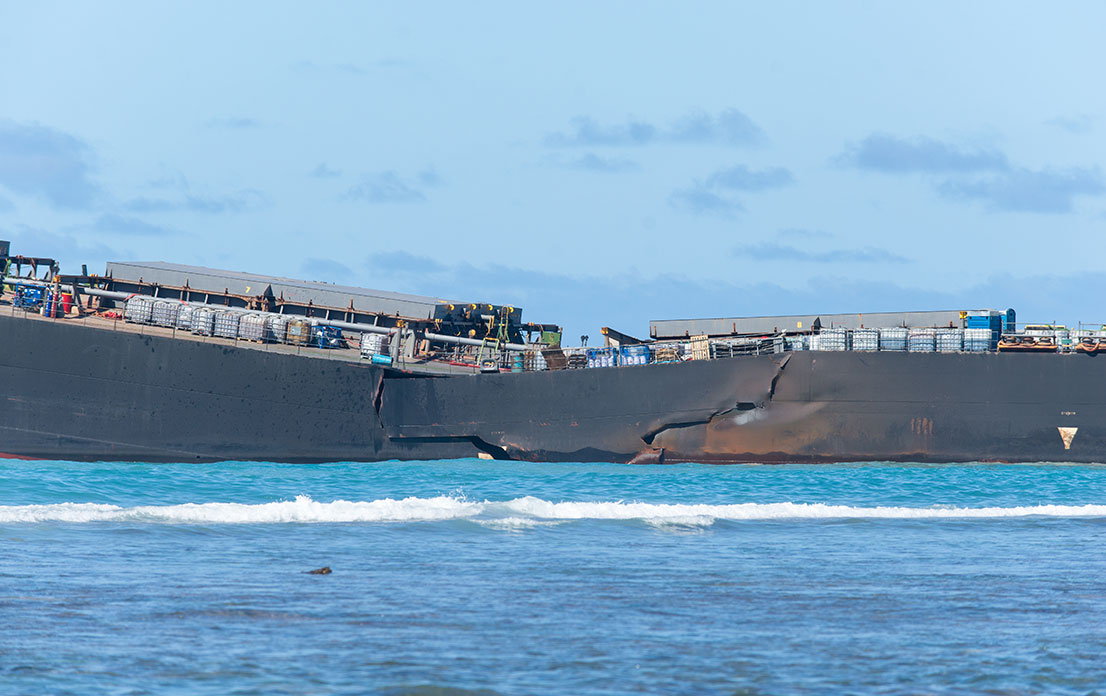
Northern Europe and the Americas both have developed offshore industries but, although there has been cross-fertilisation between them in terms of knowledge and man power, there are clear differences in how casualties are handled. In this article, Wikborg Rein share their experience of the authorities, oil majors and salvage and wreck removal operations in both regions. Authorities' involvement Authorities' attitudes can vary significantly depending on the location of the casualty, but some general trends can be seen. European authorities tend to be more actively involved in casualty handling decision making than authorities in the Americas. In the UK, the SOSREP (Secretary of State's Representative for Maritime Salvage and Intervention) has full decision-making authority from salvage and wreck removal to clean-up operations. In Norway, the Coastal Administration approves plans prepared by the owners and takes primary responsibility for organising clean-up operations. However, our experience in Mexico is that the Navy Commander, Semarnat (Ministry of Environment and Natural Resources) and the Agency for Safety, Energy and Environment (ASEA), while remaining informed, take a less active role. For investigations of marine or offshore incidents, the UK has the Marine Accident Investigation Branch in the UK (MAIB) and the Health and Safety Executive (HSE) and in Norway there is the Accident Investigation Board Norway (AIBN) and the Petroleum Safety Authority. Based on our experience, similar agencies in the Americas are less active. In Brazil, the Navy and National Petroleum Agency (ANP) conduct safety investigations of marine and offshore incidents, but they are often less involved in root cause investigations. Criminal investigations by the police are common in both the Americas and Europe, although in Europe they are usually separate from any root cause investigation. In states with large offshore sectors, specialist units are often tasked with criminal investigation
Offshore casualty response - a comparative study

Skuld
Read full article at Skuld →
Opens Skuld in a new tab