pi_circular Cargo riskOperational risk Skuld
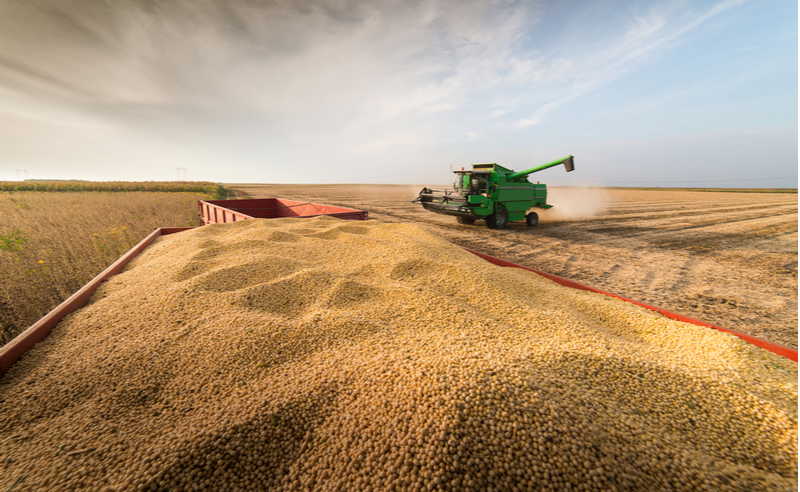
Carriage of Bulk Cargoes Many of Skuld’s Members carry soybean bulk cargoes from North and South America to the Far East, in particular to China. Soybeans are a high value cargo, the price of which can fluctuate significantly. Claims arising from damaged cargoes can be very significant, with one recent matter resulting in a headline claim figure of several million USD. Taking good care of this cargo is therefore very important for effective loss prevention. Part of that loss prevention includes both fumigating the cargo and ventilating it. Fumigation of soybean cargo may be required because of insect infestation found at loading, compliance with contractual specifications, or to issue a phytosanitary inspection certification. Voyage times between countries where soybeans are grown and countries where soybeans are in demand, can range from three to six weeks. Rather than undertaking a lengthy fumigation at the port of origin, soybeans are normally fumigated on passage. In recent months, it has become apparent that fumigators are requesting much longer fumigation times than has previously been the case. What is a fumigant Fumigants are pesticides, or mixtures of pesticides, that produce a gas that is toxic to most pests. Aluminium phosphide, the most common in-transit fumigant, is a solid that reacts with moisture in the air to liberate phosphine. The efficacy of using phosphine as a fumigant depends on the ambient temperature, its concentration and exposure time. Methods of fumigant application There are three main systems to fumigate bulk cargoes in transit, the first two of which are largely similar. Surface Application and Trench-in Application Aluminium phosphide is usually applied using belts, ropes, blankets, strips or sleeves, which are readily retrievable once fumigation is complete and leave little physical residue. In surface application, the metal phosphide packages are placed on top of the stow and the produced phosphine, which is slightly heavier than ai
Fumigation and ventilation of soybean cargoes
Skuld
Read full article at Skuld →
Opens Skuld in a new tab