regulation Compliance & regulationSafety & casualty Marine Insight
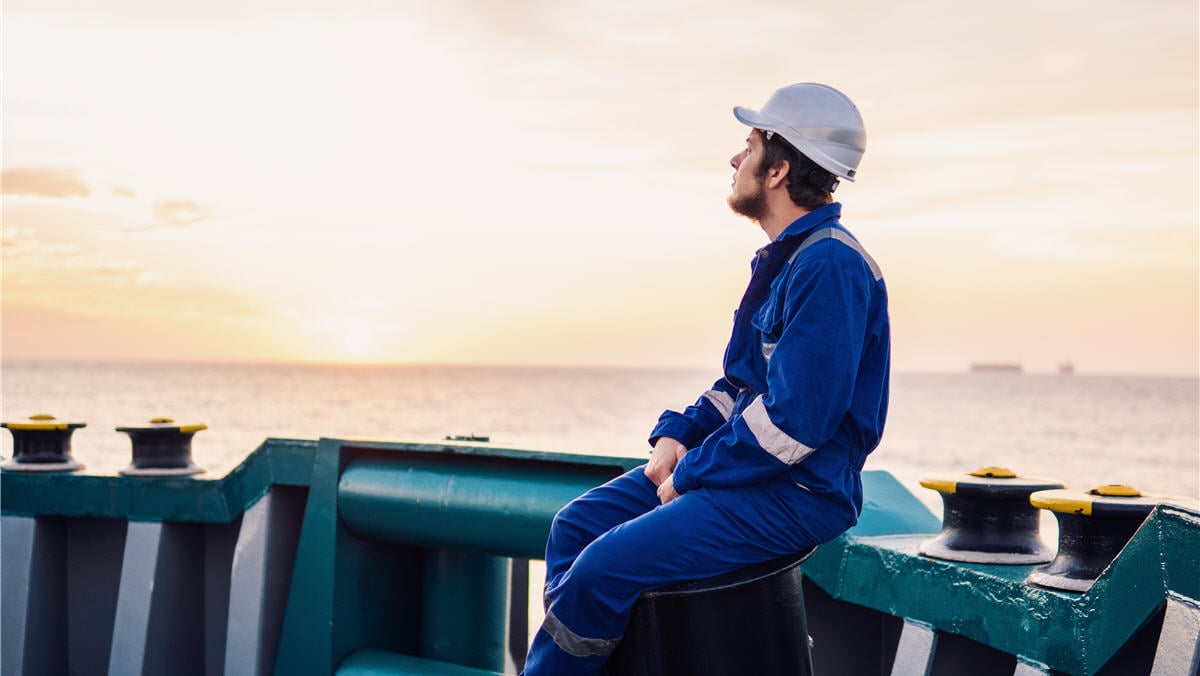
Working on ships is not an easy job, and addressing fatigue among seafarers is a major concern. Per IMO, Work hours are defined as the number of hours for which a seafarer is required to be on duty, on account of the vessel where he/she is employed, or to be at the disposal of a superior outside the crew’s quarters. Hours of rest include the time spent outside of work hours, which does not include intermittent breaks. Image for representation purpose only The legal limit regarding working hours on ships is set by the International Labor Organization. No. Of Ship Working Hours, Per ILO Maritime Labor Convention 8 hours a day, under normal circumstances, with one day as a rest day A maximum of 14 hours in any 24-hour period A maximum of 72 hours in any 7-day period Provided with a minimum of 10 hours of rest in any 24-hour period The minimum hours of rest, as per the ILO maritime convention, should be: A minimum of ten hours in any 24-hour period A minimum of 77 hours in any seven-day period The hours of rest can be divided into a maximum of two periods, one of which should be at least six hours in length. Two such consecutive periods should not be separated by more than 14 hours. A seafarer must be granted a compensatory rest period in case he/she is required to be on call during rest hours. Operations like lifeboat drills, firefighting drills, and drills prescribed by national laws and regulations should be conducted in a manner to ensure minimum disruption of the rest period. The number of ship working hours and hours of rest for crew members in all positions must be displayed in a place of easy accessibility for the purpose of informing the seafarers in due time. A log recording the number of hours of work and rest for every crew member must be maintained at all times. However, an exception can be made to all the above-mentioned clauses in case the master of the ship deems it necessary to require the services of a seafarer in lieu of maintaining the safety of the ship, especially in case of an emergency. The master can suspend the schedule of work hours and hours of rest in situations of vessel distress when a seafarer is required to perform certain duties until normal conditions are restored. On return to normal conditions, seafarers involved in work during the period of distress should be granted a rest period to prevent the buildup of fatigue on the ship. Deck and engineer officers, along with apprentices and cadets, may be required to work in excess of the above-mentioned limits, all of which shall be considered as overtime. For each Image credits: marineinsight.com hour of overtime work, the officer would be entitled to compensatory hours of rest and overtime remuneration. It should be noted that all the above-mentioned provisions vary for seafarers below 18 years of age. For all such crew members, working hours are governed by a separate set of rules- Working hours on ships should not exceed eight hours per day or 40 hours per week. Overtime above these limits is allowed only under unavoidable circumstances, and under no conditions can it be allowed on a regular basis. Sufficient time shall be provided for meals, with at least an hour for the main meal of the day. A 15-minute rest period shall be allowed after a period of 2 hours of continuous work Exceptions in the above-mentioned provisions can be made if they hinder effective training schedules or pose problems with watchkeeping duties, especially in the deck, engine room and
Work Hours & Rest Hours on Ships (Including STCW 2010)

Marine Insight
Read full article at Marine Insight →
Opens Marine Insight in a new tab