news Operational riskMarkets & trade Marine Insight
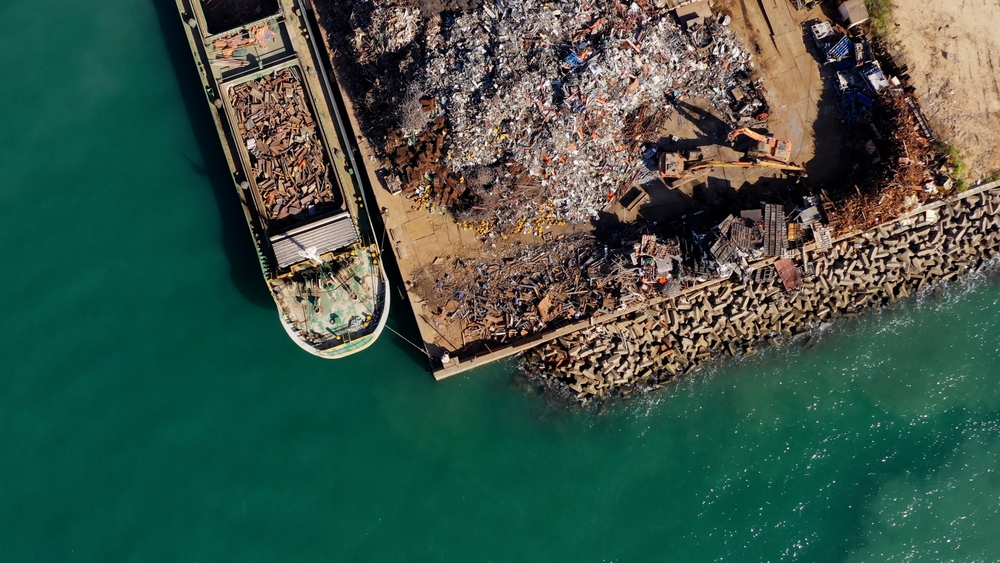
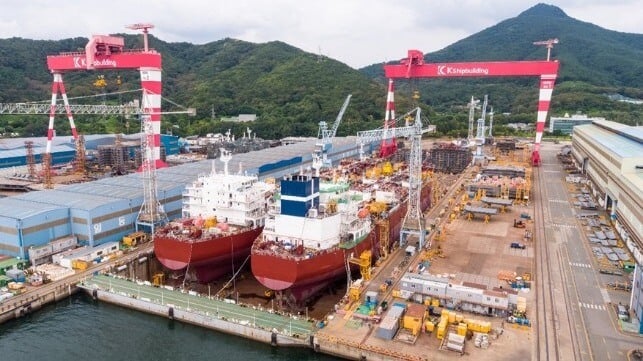
The Alang Shipbreaking Yard, on the Gulf of Khambhat near the town of Alang, Bhavnagar district in the Indian State of Gujarat, is recognised as the biggest ship graveyard in the world. Image Credits: Planet Labs, Inc/Wikipedia Over a third of the world’s old and obsolete vessels end up here, including container ships, supertankers, and even legendary ships like the Exxon Valdez and Seawise Giant, which met their fate at Alang. The facility has 183 ship-breaking yards along the 14 km coastline, with a total processing capacity of 4.5 million Light Displacement Tonnage. The biggest ship graveyard began operations in 1983. Founded by Capt. N. Sundaresan, it is said to have generated around U.S $ 110.6 billion in aggregate value, including total assets. Given its growth, the yard has extended northeast towards Sosiya in Gujarat and is often called the Alang-Sosiya Yard. Its inception transformed Alang, once a land of lakes, thriving coral reefs and a quiet fishing village, into a global centre for ship recycling. The yard reached its zenith in 2011 and 2012, when it dismantled around 415 ships annually and in 2020, it recycled 196 ships. Ship Breaking At the World’s Biggest Ship Graveyard Ships are deliberately beached on the mudflats when there is a high tide. The fuel tanks are emptied to prevent the risk of explosions and to handle any hazardous materials which might be onboard the ship. Officers also inspect the vessel to ensure it is compliant and is safe to dismantle. Representation Image Only Labourers then move to the beach and begin the process of dismantling the vessel, salvaging valuable parts including electronics, plumbing, wiring and memorabilia before taking the rest for scrapping. The hull and the ship’s superstructure are cut for scrap steel and other materials. Salvaged items are then sold in Alang’s bustling scrap market and purchased by buyers not only from India but from abroad, too. Planned Upgrades and Innovation The Governments of Japan and Gujarat signed an MOU in 2010 for technology transfer and financial assistance for upgrading the yard so it meets international benchmarks. The aim was to transform Alang into the biggest IMO-compliant ship recycling yard, a project supported by India and Japan. Efforts began in this direction in 2017 when the Japanese International Cooperation Agency gave a loan of 76 million dollars, and the Gujarati Maritime Board provided $35 million. Stakeholders are also investing in new technologies for ship dismantling, waste management and recycling processes, making Alang more competitive and attractive to shipowners seeking environmentally friendly recycling solutions. Several yards in Alang have received certifications from international bodies like ClassNK, showing compliance with global standards for safety, environmental protection and welfare of workers. Environmental Concerns Salvage yards in Alang have been a part of many controversies regarding environmental, health and safety concerns, including workers’ living conditions, accidents and workers’ deaths. The recycling activities have polluted Alang’s beaches and surrounding areas, including the water with heavy metals like zinc, lead, nickel, tin and substances like toxic paint and oil. Representation Image Only Additionally, coral reefs and marine ecosystems have also suffered damage due to the release of hazardous materials and oil spills. Burning of solid waste and improper disposal of chemicals and oil have led to not only
Biggest Ship Graveyard In The World

Marine Insight
Read full article at Marine Insight →
Opens Marine Insight in a new tab