news Maritime Cyprus
(www.MaritimeCyprus.com) The oceans cover over 70% of the Earth's surface and carry roughly 80% of global trade by volume. Yet for centuries, the world’s waters operated as a lawless frontier. Today, modern maritime security, international shipping lanes, and ocean commerce rely on a unified legal framework: the United Nations Convention on the Law of the Sea (UNCLOS) . The Pre-UNCLOS Era: The Mare Liberum Doctrine The modern foundation of maritime legal rights traces back to the Treaty of Westphalia (1648) and the concept of Mare Liberum (Free Seas) championed by Dutch jurist Hugo Grotius. The Core Premise: No sovereign power could claim ownership of international waters; the oceans were open to all for trade and navigation. The Reality: Without enforceable rules, freedom of navigation often collapsed into maritime anarchy, piracy, and unchecked territorial disputes among naval powers for hundreds of years. 1982: The UNCLOS Breakthrough In 1982, after nearly a decade of international negotiations, the United Nations adopted UNCLOS (often referred to as the "Constitution of the Oceans"). It marked the first comprehensive, legally binding agreement for collaborative ocean management and maritime security. Core Maritime Zones Under UNCLOS UNCLOS clearly defined national borders and jurisdictional rights at sea, dividing oceans into distinct zones: Maritime Zone Distance from Baseline Sovereignty & Rights Territorial Waters Up to 12 nautical miles Full sovereign rights of the coastal state over air, water, and seabed (with right of innocent passage for foreign vessels). Contiguous Zone 12 to 24 nautical miles Coastal states can enforce customs, immigration, fiscal, and sanitary laws. Exclusive Economic Zone (EEZ) Up to 200 nautical miles Sovereign rights over natural resources (fishing, oil, gas) and energy production, while preserving international navigation. High Seas Beyond 200 nautical miles International waters open to all nations for peaceful purposes, trade
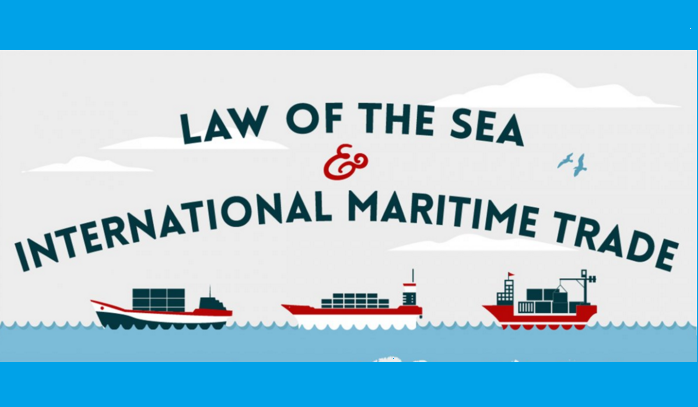
Maritime infographic: Understanding the Law of the Sea
Maritime Cyprus
Read full article at Maritime Cyprus →
Opens Maritime Cyprus in a new tab