news Compliance & regulationOperational risk Splash247
Julian Panter, the CEO of SmartSea, on why maritime must embrace digital transformation to stay afloat in the 21st century. The maritime industry is under threat of long-term risks such as operational inefficiencies and regulatory non-compliance due to some companies clinging to outdated and legacy practices. A rapidly evolving technological landscape presents unprecedented opportunities as well as challenges for the maritime industry. While some companies are actively adopting digital solutions, many still remain hesitant to use newer and innovative technologies that have the potential to completely reshape operations. Companies can also be slow to invest in new opportunities because they can struggle to see the overall picture past the initial investment cost. A study by McKinsey & Company* last year estimated that global shipping companies could reduce operational costs by as much as 15-25% through the implementation of digital technologies. While the initial investment in digital technologies may seem substantial, not just in terms of cost but also implementation, the long-term savings are undeniable. The air transport industry is estimated to be 10 to 15 years ahead in terms of technology adoption For example, digitalisation streamlines complex maritime operations by automating manual processes and enabling real-time data analysis. Technologies such as the Internet of Things (IoT), Artificial Intelligence (AI), and blockchain are facilitating better fleet management, route optimisation, and cargo tracking. Companies like OneLink, for example, are already helping numerous vessels with state-of-the-art shipping monitoring support services and security solutions. Predictive analytics can also forecast maintenance needs, reducing downtime and costs associated with unexpected equipment failures. Smart sensors on vessels provide real-time data about engine performance, fuel consumption, and weather conditions, allowing operators to make informed decisions that save time and resources. Additionally, AI-driven voyage optimisation leverages real-time data and machine learning to determine the most efficient routes, factoring in variables like weather patterns, sea currents, and port congestion, further enhancing operational efficiency. At SmartSea we are seeing more and more need for further collaboration and a unified approached with it comes to digitalisation. We are focussed on learning lessons that were made through our parent company SITA in the aviation industry. We are transforming the maritime digital ecosystem through the development of our integrated maritime management platform, utilising the same technology used by SITA in aviation. Maritime is light years behind the aviation industry, and we really must not shy away from data sharing and sharing best practices to progress. Digital transformation of the industry also has the potential to enhance workforce productivity and safety. By using tools like AI-driven voyage optimisation this not only minimises wastage and resource, it could also attract the seafarers of tomorrow, making the industry more appealing to a younger, technology-driven talent. Added to this, the maritime industry is facing increasingly stringent environmental and safety regulations, such as the International Maritime Organisation’s (IMO) 2023 guidelines for carbon intensity reduction. With the recent Fuel EU regulations now being implemented, advanced emissions monitoring systems, such as EmissionLink, can tra
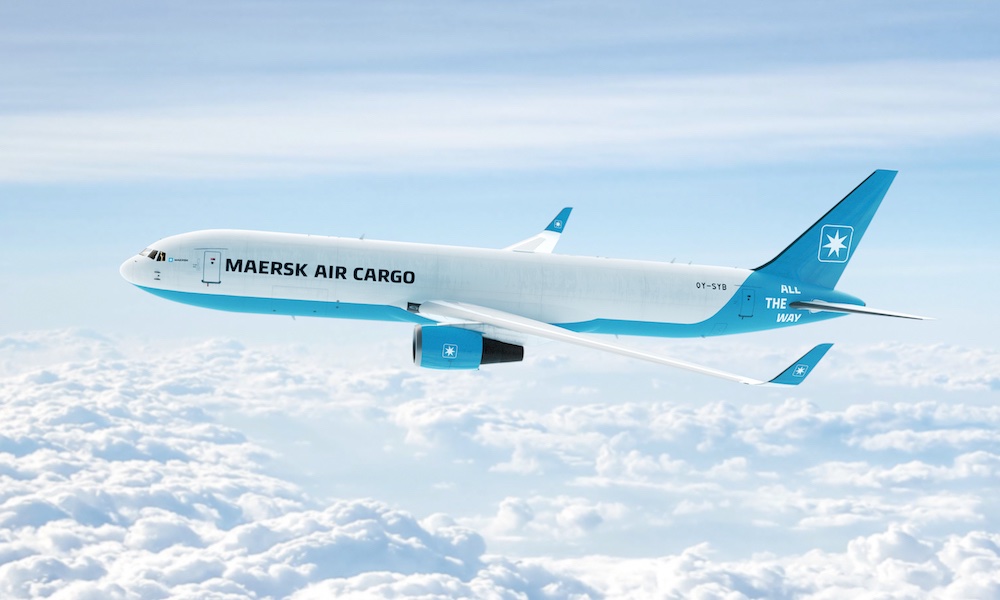
What we can learn from aviation when it comes to all things digital
Splash247
Read full article at Splash247 →
Opens Splash247 in a new tab