news Tanker Geopolitical riskCompliance & regulation Splash247
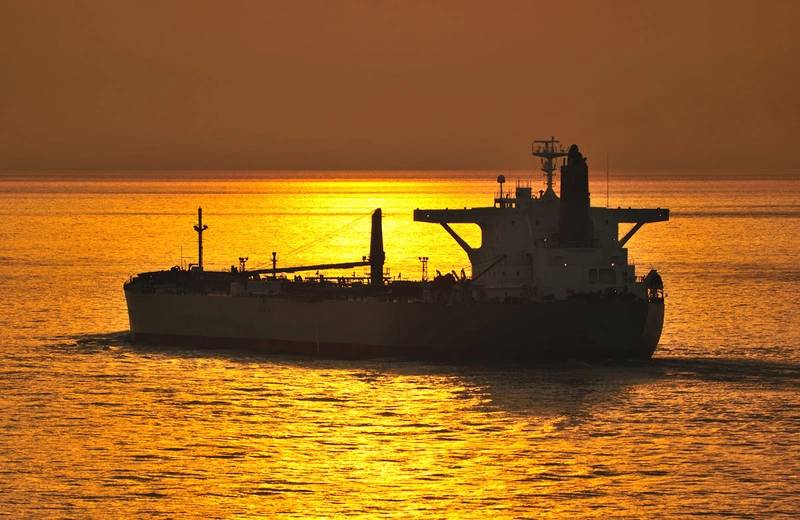
The US imposed sanctions yesterday on 35 entities and vessels accused of transporting illicit Iranian petroleum to foreign markets in a curtain raiser to potentially a far stricter attitude towards Iran come next month. One ship in particular singled out by the US has made headlines – the Ceres 1, a VLCC with a history of hauling Iranian crude, which was involved in a fiery collision (pictured) with a Hafnia product tanker off Malaysia this July. At the time of the collision, the Ceres 1’s vessel tracking signals were inconsistent with its position, which inhibited communication with the other vessel. The Ceres 1, one of 10 VLCCs sanctioned yesterday, returned to China after the accident where it underwent significant repairs and has since resumed trading, currently moored at a port in Vietnam. “Iran continues to funnel revenues from its petroleum trade toward the development of its nuclear program, proliferation of its ballistic missile and unmanned aerial vehicle technology, and sponsorship of its regional terrorist proxies, risking further destabilising the region,” said acting under secretary for terrorism and financial intelligence Bradley Smith. “The United States remains committed to disrupting the shadow fleet of vessels and operators that facilitate these illicit activities, using the full range of our tools and authorities.” As well as a host of vessels, the US Treasury also sanctioned many shipmanagement companies yesterday. Attention is now turning to how the return of Donald Trump to the White House next month will impact Iranian oil exports. In his first term, Trump withdrew the US from the Iran nuclear deal and reimposed a full embargo on Iran’s crude oil exports in 2019. As a result, Iran’s crude oil shipments collapsed from 2.5m barrels per day in the first half of 2018 to 250,000 barrels per day. During the Biden administration, sanctions were not as strictly enforced and Iranian exports gradually recovered. In 2024 year-to-date, Iranian exports averaged more than 1.5m barrels per day according to data compiled by Poten & Partners. Private Chinese refiners buy most of Iran’s sanctioned crude, but amid higher prices and preparation for the incoming Trump administration, Iranian flows have dropped. Recently, teapot refiners in China, principally in Shandong province, have sourced supplies from West Africa and the Middle East. November crude imports from Iran were 10% lower than in October, according to MB Shipbroking. Poten & Partners “If the US could dramatically reduce Iranian exports, this would give a boost to the tanker market, in particular VLCCs,” Poten noted in a recent report. “A large proportion of the VLCCs in the dark fleet are used to transport Iranian crude. Venezuela’s exports are small and Russia mostly utilises aframaxes and suezmaxes. Iranian barrels would need to be replaced by non-sanction oil from other producers, which would create additional employment opportunities for the mainstream tanker fleet.” Howard Lutnick, who owns Poten & Partners, has been nominated to be Trump’s commerce secretary come next month’s inauguration. Braemar, another broker, has also been studying what Trump’s attitude to Iran might pertain to the tanker trades, noting in a recent report that five years ago, his previous administration sanctioned Chinese state-run carrier COSCO’s subsidiaries for their participation in Iran oil trade, causing freight rates to spike to $200,000 a day. “Sanctions could hit Chinese owned/built
VLCCs on notice as US crackdown on Iranian shipping steps up a gear

Splash247
Read full article at Splash247 →
Opens Splash247 in a new tab