news Operational risk Splash247
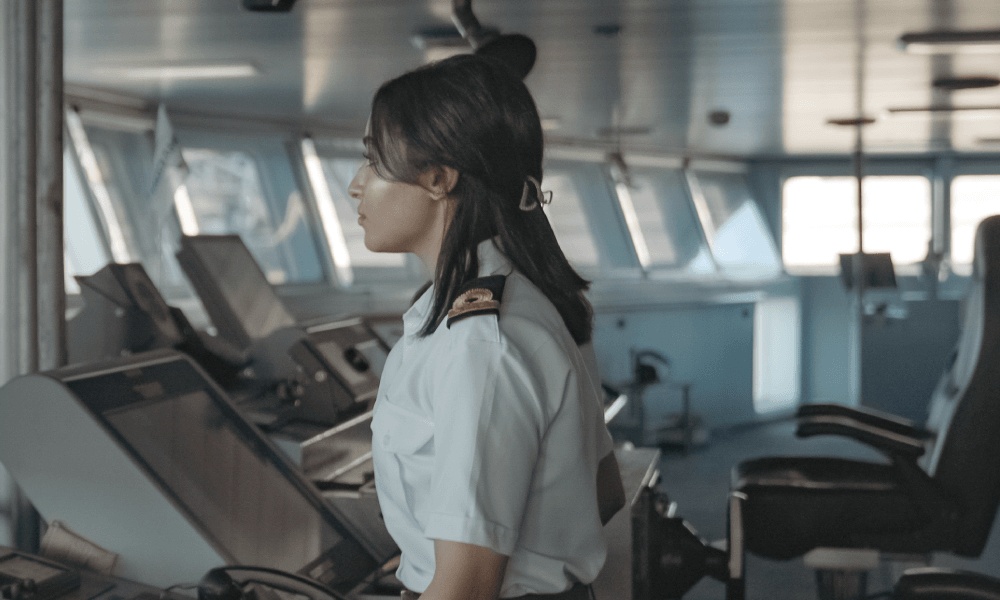
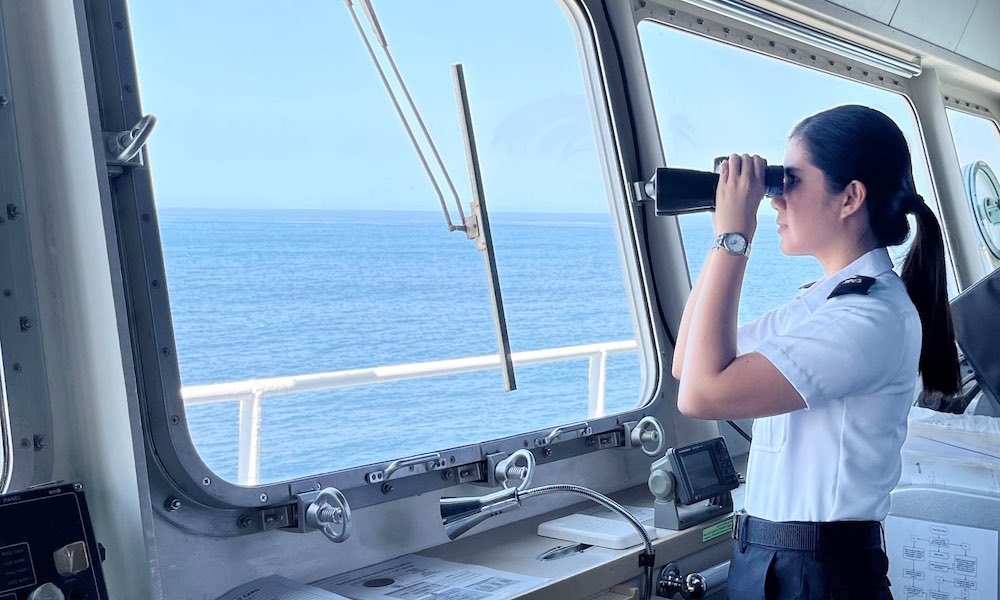
Eline Muller from Multraship Towage and Salvage writes for Splash on International Women’s Day. Over the past decade, the shipping industry has undergone noteworthy transformations, particularly in its commitment to fostering diversity and inclusivity. This shift is not only a matter of social justice but also a strategic imperative for businesses aiming to innovate, enhance productivity, and tap into a broader range of talent and perspectives. Comparing the current state of the industry with its position a decade ago, alongside other sectors, allows us to gauge progress and anticipate future challenges. A decade ago, the shipping industry faced criticism for its male-dominated landscape, especially in higher ranks, and limited diversity and inclusivity. Barriers to women’s entry and progress were evident, and there was a lack of recognition of the need to implement policies supporting diversity and inclusion. Substantial strides have been made since then. Initiatives like the International Maritime Organization’s (IMO) Women in Maritime program and corporate policies emphasising gender equality, racial and ethnic diversity, and overall inclusion attest to this positive shift. The industry has also made strides in diversifying its workforce, particularly on the operational side, fostering a more global perspective in its operations. Continued outreach, awareness-building, and a commitment to change are essential However, achieving gender balance remains a work in progress. While acknowledging the progress made, it is essential to recognise that gender equality is a vital value. Increasing not only the representation but visibility of women in the maritime industry is crucial to inspiring younger generations and breaking down gender stereotypes. While progress has been made, representation of women in ship-owning and leadership roles remains a particular challenge. Challenges also arise from specific job requirements, and these can bring natural exclusions, such as the 24/7 operations and extended periods at sea for seafarers, which still, despite progress, disproportionately impact women with caring responsibilities. Balancing work and family life can be challenging, especially for those with family commitments. While proud of having female officers and engineers, amongst our seafaring personnel, the goal for our organisation is to attract more women to the team both at sea and onshore. The towage and salvage industry has shown progress in promoting gender diversity but there is still work to be done. Early outreach efforts are crucial to instil the importance of maritime careers in young minds and bridging gender gaps. Encouraging women to pursue technical, operational but also commercial roles can contribute to a more diverse workforce. Equality is a core value in our organisation, reflected in equal pay policies and a culture that encourages employees to voice concerns confidentially. Efforts to attract young talent need to be intensified, reaching beyond nautical colleges and universities to high schools through outreach programmes. Raising awareness about the maritime industry’s opportunities and encouraging youth to contribute to solving industry challenges can spark enthusiasm for maritime careers. Young people today are showing a great passion for sustainability, and it’s crucial to involve them in making the shipping industry more environmentally friendly. We need to help them understand that they have the power to contribute t
Progress and challenges on diversity in maritime
Splash247
Read full article at Splash247 →
Opens Splash247 in a new tab