news Decarbonization & energyCompliance & regulation Splash247
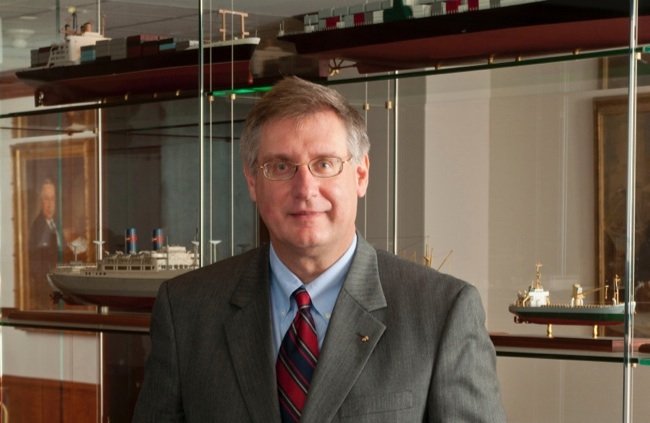
With 28 days to go until the vital extraordinary session of the Marine Environment Protection Committee (MEPC) convenes at the London headquarters of the International Maritime Organization (IMO), the battle lines have been drawn sharply. In a surprise intervention, Christopher Wiernicki, the departing chairman and CEO of ABS, the third largest shipping classification society in the world, yesterday came out against IMO’s planned net zero framework, aligning his organisation with the Donald Trump administration, which has been the most vocal opponent of the United Nations’ body green plans due for a vote next month. Achieving net zero for shipping by 2050 looks like a wildcard “Shipping and the IMO are on different trajectories. There is no clear pathway for green fuel availability and scalability and infrastructure support. LNG and biofuels are mission critical to any success and should not be overlooked, over penalised or discarded in the net zero regulation,” Wiernicki said at the launch in London of the 2025 ABS Sustainability Outlook. “Quite frankly,” he added, “achieving net zero for shipping by 2050 looks like a wildcard.” The proposed net-zero framework, agreed in principle by a majority of IMO member states in April, seeks to curb greenhouse gas emissions from the shipping sector by introducing fuel standards and levies on ships that fail to meet strict targets. Proponents say the measures are critical to meeting the IMO’s 2050 climate goals, but the US delegation has argued the rules would disproportionately benefit China and penalise fuels where US industry leads such as LNG and biofuels. The agreement constitutes a fuel standard, as such a mandate on the GHG intensity of energy used, coupled with a pricing and trading mechanism. Prolonged uncertainty could put very large investments at risk Ships that do not reduce their intensity of GHG emissions – including carbon dioxide, methane and nitrous oxide — in line with two reduction trajectories outlined in the new regulations are deemed to have an emissions deficit. This must then be addressed by buying so-called remedial units. The US, which walked out of April’s MEPC gathering, is now leaning hard on allies and rivals alike to reject the IMO deal. Washington has warned that nations pressing ahead with the proposed framework could face a battery of retaliatory measures – from tariffs and port levies to visa restrictions. In a joint statement last month, US secretary of state Marco Rubio, commerce secretary Howard Lutnick, energy secretary Chris Wright, and transportation secretary Sean Duffy said president Donald Trump would not accept “any international environmental agreement that unduly or unfairly burdens the United States or harms the interests of the American people.” ABS’s Wiernicki, who will stand down from the American class society at the end of the year, yesterday called on the IMO to take a “timeout”. “The industry needs a framework but we need one that marries ambition with reality,” he said. “The mechanics need to be thought through. Right now, we are not where we need to be. Emissions remain 121% above the 2008 baseline, compliance costs are compounding, and the signals shaping investment – regulation, fuel pricing, penalties, availability, scalability – are moving at different speeds,” the classification executive said, backing greater support for LNG as a bridging fuel. “Getting closer to the 2030s, we need to protect the bridge, which is LNG with methane-slip
ABS boss urges ‘timeout’ on IMO climate push
Splash247
Read full article at Splash247 →
Opens Splash247 in a new tab


