news Compliance & regulationGeopolitical risk Splash247
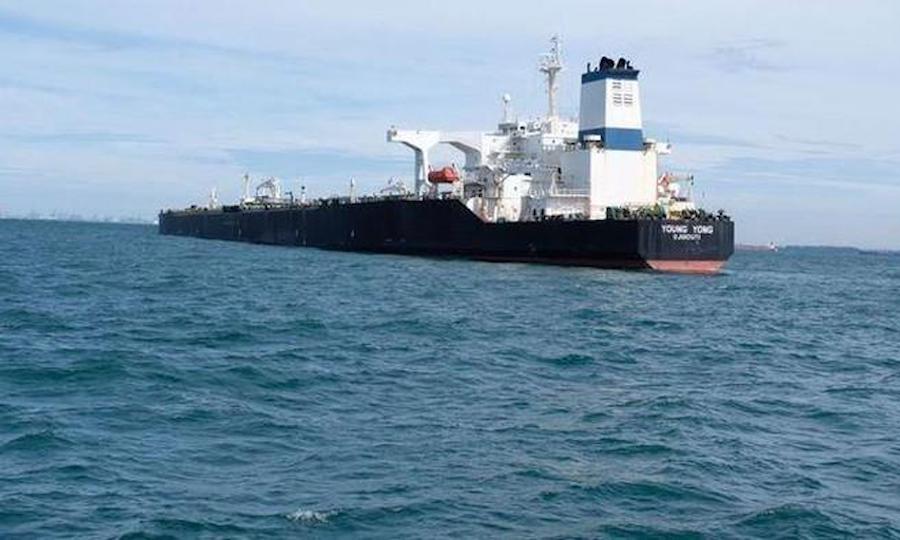
Dark fleet facilitators are attempting to persuade flag states to turn a blind eye to their operations, a new report from one of the world’s top shipping inspectorates has warned. The Paris Memorandum of Understanding on Port State Control (Paris MoU) held its 57th committee meeting in Madrid earlier this month, and has just released details of what was discussed including news that some flag states are trying to hatch plans to avoid detentions. The Paris MoU, one of the world’s top two port state control bodies, described recent attempts by unspecified flag states to conclude bilateral agreements with port states to avoid detentions. The growth of the so-called dark fleet in the wake of the 27-month war between Russia and Ukraine has seen many previously obscure flags double or triple in size. The International Maritime Organization (IMO) recently called on flag states to crack down on the illicit activities of shadow tankers and enforce regulations on ship‐to‐ ship operations. The IMO has also asked port states to subject potential shadow vessels to enhanced inspections. However, countering the illicit trade in Russian and Iranian oil is proving difficult, as smuggling networks employ more sophisticated methods and there is continued demand for discounted oil in Asia. Written evidence submitted to the UK parliament last month by the International Group of P&I Clubs warned that the oil price cap, introduced 17 months to go in a bid to cut Russian revenues, is not working. British politicians have been holding an inquiry to look at how sanctions against Russia are working. The International Group, made up of 12 P&I clubs that cover more than 85% of world tonnage, warned last month that more than 800 tankers have departed from their books since the cap came in, with the rule’s attestation scheme coming in for particular criticism. The cap allows traders, shipowners, charterers, and financial services providers to engage in the sale, purchase and carriage of Russian oil and oil products by sea, provided the sale price of Russian oil or oil products are sold at or below the price stipulated by the G7 and its coalition of states. Evidence of the sale price of such products is dependent on a process of attestations that must be provided initially by the oil products trader. “These attestations may or may not provide accurate price information thereby exposing shipowners and insurers to allegations that they have breached the rules,” the International Group argued, adding: “The attestation is a flawed regime which potentially exposes both the P&I Club and a shipowner, operator, charterer to a breach of the [cap].” The insurers warned that the price cap “appears increasingly unenforceable” as more ships and associated services move into the shadow fleet. Moving Russian oil through Europe has come under far greater scrutiny in recent weeks with the bloc widely expected to take further measures against the so-called shadow fleet when further European Union sanctions are unveiled shortly. In the southeast of the continent, the Greek navy has made ship-to-ship transfers impossible at one of the top European destinations for such activities. Since May 1, citing military exercises, the Greek navy has put out of bounds an area in international waters southeast of the Peloponnese islands, six nautical miles off the coast of Laconia, a patch of water that has seen Russian-linked tankers dot the horizon over the past couple of years. In the north of Eur
Dark fleet flags attempting to bribe states to avoid detention
Splash247
Read full article at Splash247 →
Opens Splash247 in a new tab