news LNG / LPG Geopolitical riskOperational risk Marine Insight
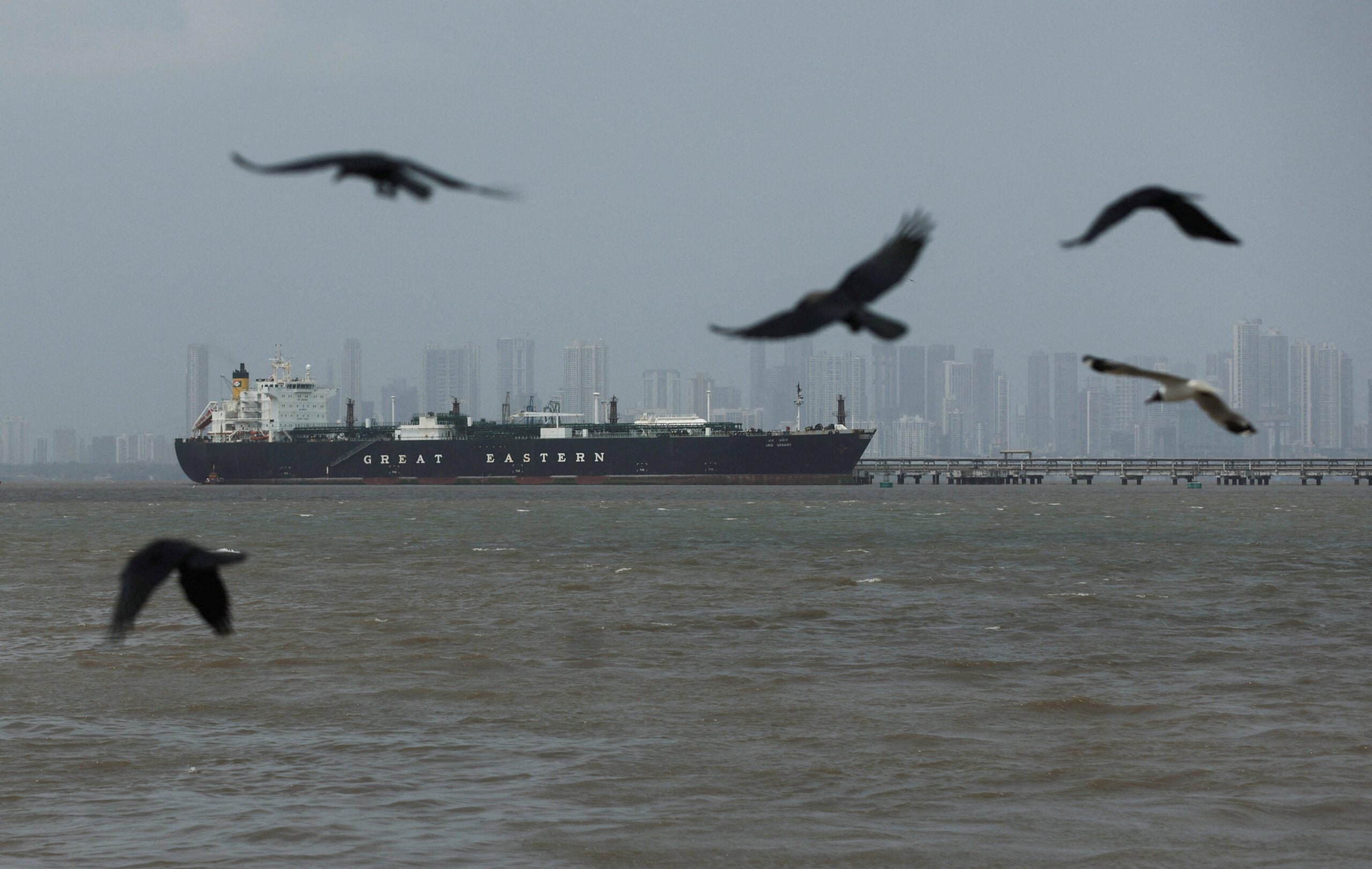
Image for representation purposes only An India-linked liquefied petroleum gas (LPG) tanker has passed through the Strait of Hormuz, a rare movement at a time when ship traffic in the region has almost stopped due to a US-led blockade linked to the Iran conflict. The Marshall Islands-flagged Sarv Shakti, carrying about 45,000 tonnes of LPG, moved into the Gulf of Oman after sailing past Iran’s Larak and Qeshm islands, according to ship-tracking data. The cargo, widely used as cooking fuel in India, is expected to help ease pressure on domestic supplies. This is the first known transit by an India-linked tanker since the blockade began weeks ago and reduced crossings through the strait to near zero. The vessel is a very large gas carrier and has earlier operated between the Persian Gulf and Indian ports. It is currently signalling India as its destination and has Indian crew onboard, a step often taken by ships to reduce risks during the conflict. Shipping documents seen by Bloomberg listed Indian Oil Corporation as the buyer of the cargo, but the company has not responded to requests for comment. India, the world’s third-largest oil importer and second-largest LPG consumer, has been facing supply issues after deliveries from the Middle East slowed. The shortage has led to queues in some places and a drop in consumption. The government has been trying to keep LPG supplies moving since the United States and Israel began strikes on Iran in late February. Indian ports have been told to give priority to LPG carriers for berthing and unloading, and domestic production has also been increased. Efforts to restart normal shipping through the Strait of Hormuz have not been steady. In April, Iran said the route was open for a short time, but its military later fired on ships trying to cross, forcing many vessels to turn back. During that period, one India-linked tanker, Desh Garima, managed to pass by switching off its tracking signals. Since then, most ships have avoided the route and traffic has remained very low. Per reports, India has moved around eight LPG vessels through Hormuz during the conflict after talks with Iran, while also looking at other supply options. Oil Minister Hardeep Singh Puri said domestic LPG production has been increased by 60% to 54,000 tonnes per day. At the same time, consumption has dropped by about 10,000 tonnes to 80,000 tonnes daily. Sarv Shakti entered the Persian Gulf in early February and received its cargo through a ship-to-ship transfer off Dubai, although the exact source of the LPG is not known. A full transit of the Strait of Hormuz usually takes around 10 to 14 hours. However, conditions in the region remain uncertain. Electronic interference can affect ship tracking systems, and some vessels switch off their transponders or alter signals to avoid being tracked. Maritime database Equasis lists Dubai-based Foresight Group Services Ltd. as the vessel’s manager. The owner is listed as Zhe Yin Shan Zhou No. 4 Tianjin, which shares the same registered address. References: NDTV, FirstPost Disclaimer : The information on this website is for general purposes only. While efforts are made to ensure accuracy, we make no warranties of any kind regarding completeness, reliability, or suitability. Any reliance you place on such information is at your own risk. We are not liable for any loss or damage arising from the use of this website. Related Posts IMO Honours Japanese Maritime Professor Momoko Kitada With Gender Eq
India-Linked LPG Tanker Carrying 45,000 Tonnes Makes Rare Hormuz Crossing Amid U.S. Blockade

Marine Insight
Read full article at Marine Insight →
Opens Marine Insight in a new tab