news Tanker Geopolitical riskSafety & casualty Marine Insight
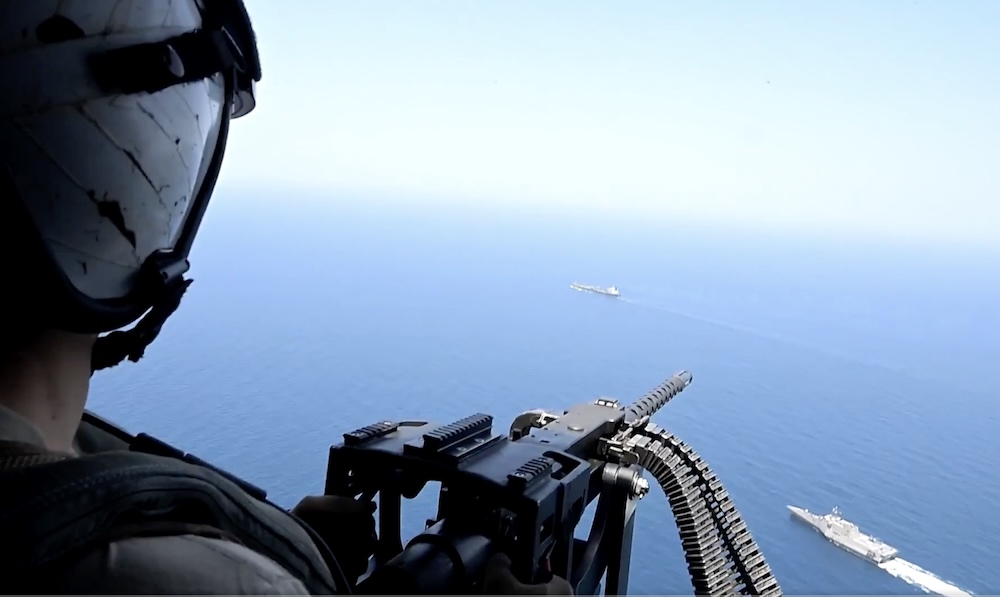
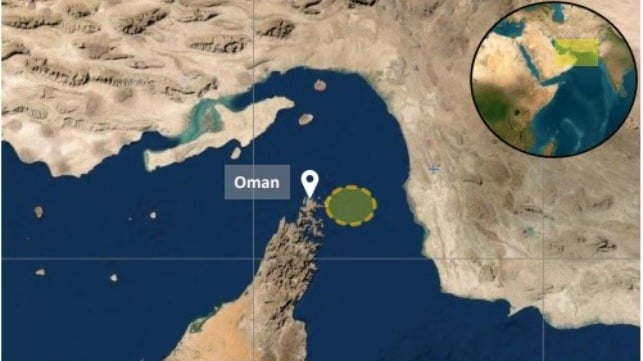
Image for representation purposes only Indian seafarers stranded near the Strait of Hormuz have described enduring nightly missile and drone strikes, severe food shortages, and prolonged isolation after their vessel was trapped for over a month amid a regional blockade linked to the Middle East conflict. Tithi Chiranjeevi, a 28-year-old Indian sailor, said he experienced repeated overnight blasts while his ship remained stuck outside Iran’s port of Khorramshahr. He stated that around 10 to 20 missiles struck every night, leaving crew members unable to sleep. Chiranjeevi had been working for six months aboard the Iranian cargo vessel Ilda, which was transporting construction materials to Dubai when the blockade disrupted movement through the region. He returned home last week after a 15-day journey through Iraq, Armenia and Dubai. The vessel was among around 2,000 ships stranded near the narrow Strait of Hormuz, a key maritime chokepoint that normally handles a significant share of global oil and liquefied natural gas (LNG) flows. According to maritime data cited, the strait is typically used by vessels carrying about one-fifth of global oil and LNG supplies. Before the escalation of conflict in February, around 138 ships passed through the strait each day, according to the Joint Maritime Information Centre. Movement has since been severely disrupted. Chiranjeevi said food supplies onboard eventually ran out, while communication systems failed, cutting off contact with his family in Visakhapatnam. He lost touch with his widowed mother during the period of isolation. Another Indian seafarer, Anant Singh Chauhan from Dewaria in Uttar Pradesh, also described uncertainty over whether he would return home safely. He said there were moments when crew members believed they might not survive the situation. Violence in the region has already resulted in the deaths of at least three Indian seafarers, according to the information provided. India is one of the world’s largest suppliers of seafarers, with government figures estimating a workforce of around 300,000 as of September last year. Authorities have facilitated the return of approximately 3,000 sailors from the Gulf region, including at least 23 this week. Both sailors said they had borrowed around ₹4.5 lakh each from relatives and moneylenders to secure employment on international shipping routes. Despite returning home, they continue to carry financial burdens from those loans. Chauhan said the return brought relief after weeks of uncertainty and hardship. “It is like a rebirth for us,” he said in Mumbai, as he reflected on his journey back. Reference: Reuters Disclaimer : The information on this website is for general purposes only. While efforts are made to ensure accuracy, we make no warranties of any kind regarding completeness, reliability, or suitability. Any reliance you place on such information is at your own risk. We are not liable for any loss or damage arising from the use of this website. Related Posts Supertanker Carrying Iraqi Crude To Vietnam Resumes Voyage After US Navy Hold-Up Near Hormuz European Countries Begin Talks With Iran Over Strait Of Hormuz Ship Passage China’s AI-Controlled USVs Could Strengthen Maritime Surveillance In Disputed Waters New Type Of Floating Wave Energy Converter Deployed At Biscay Platform For Testing & Research Related Posts Supertanker Carrying Iraqi Crude To Vietnam Resumes Voyage After US Navy Hold-Up Near Hormuz European Countries Begin Talk
“No One Could Sleep”: Indian Seafarers Recall Nightly Missile Strikes After Returning From Month-Long Hormuz Ordeal

Marine Insight
Read full article at Marine Insight →
Opens Marine Insight in a new tab