casualty_report Tanker Safety & casualtyOperational risk Marine Insight
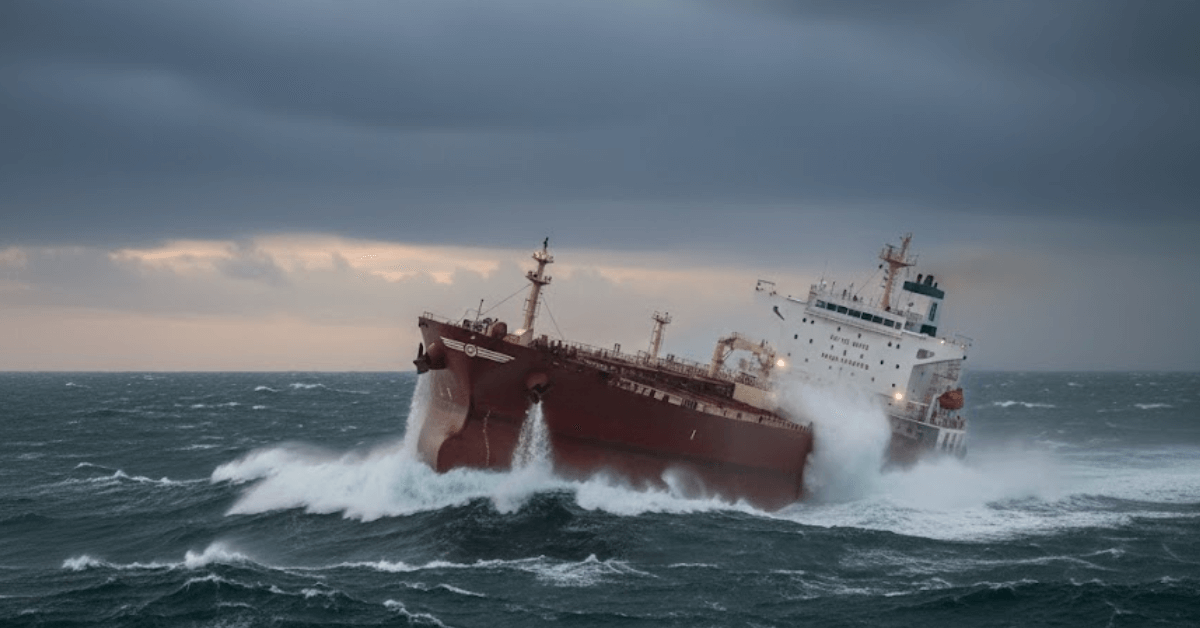
A fully laden VLCC suffered heavy weather damage to lifesaving, firefighting and safety equipment as well as deck fittings when she encountered heavy seas as a result of an intense Atlantic depression. At the time of the incident, the vessel was passing Ile d’Ouessant (Ushant), France, en route for discharge at Rotterdam. Wind speeds of more than 60 knots, and sea/swell conditions in excess of 10 metres, caused the vessel to roll heavily and take on large quantities of ‘green water’. The force of this water washing over the decks resulted in the loss of fittings and equipment, including the forward liferaft, fire hose boxes and immersion suits. The water also had the effect of lifting the port manifold drip-tray and distorting the safety walkway railings and shelters. Root cause Lack of planning – with the predicted adverse weather, additional lashings could have been applied and equipment temporarily relocated to avoid loss. These days masters have accurate forecasts and can make informed decisions at an early stage to avoid the worst of the expected weather conditions, or time their arrival to avoid conditions where a storm force wind blows against the current or tidal stream. What went right The master reduced speed as the conditions worsened, minimising the slamming effect of the heavy seas and ensuring no structural damage was experienced. A soon as it was safe to do so, the master promptly inspected the tanker’s decks and reported the damage to the company. This ensured that management could instruct the purchasing department to replace the lost items and the fleet team could make the necessary arrangements for additional support during the discharge and the various inspections and surveys by class. Lessons learned Daily monitoring of weather forecasts, careful assessment of predicted conditions and the early adjustment of course and speed to avoid heavy weather conditions. Early notification of expected heavy weather to those responsible for ensuring that all openings and deck fittings / equipment are secure, or temporarily relocated to avoid loss. Securing arrangements inspected for deterioration or weak points and either replaced or doubled up to improve their effectiveness. Although there is no evidence to suggest that commercial pressure to maintain ETA contributed to this incident, safety must always take precedence over commercial decisions. Berthing times can be easily re-scheduled, but accidents can have a long-lasting impact on individuals and companies. Disclaimer : The information on this website is for general purposes only. While efforts are made to ensure accuracy, we make no warranties of any kind regarding completeness, reliability, or suitability. Any reliance you place on such information is at your own risk. We are not liable for any loss or damage arising from the use of this website. Related Posts Real Life Incident: Collision Of Container Ship and General Cargo Ship Leads To Sinking And Fatalities Real Life Incident: Collision and Sinking of Small Craft in Shipping Lane Real Life Incident: Crew Saved but Ship Lost Real Life Incident: Pin Holes Create Pathway To Fatal Reckoning Related Posts Real Life Incident: Collision Of Container Ship and General Cargo Ship Leads To Sinking And Fatalities Real Life Incident: Collision and Sinking of Small Craft in Shipping Lane Real Life Incident: Crew Saved but Ship Lost Disclaimer : The information on this website is for general purposes only. While efforts are made to
Real Life Incident: Heavy Weather Damage To VLCC
Marine Insight
Read full article at Marine Insight →
Opens Marine Insight in a new tab