pi_circular Dry bulk Cargo riskOperational risk Skuld
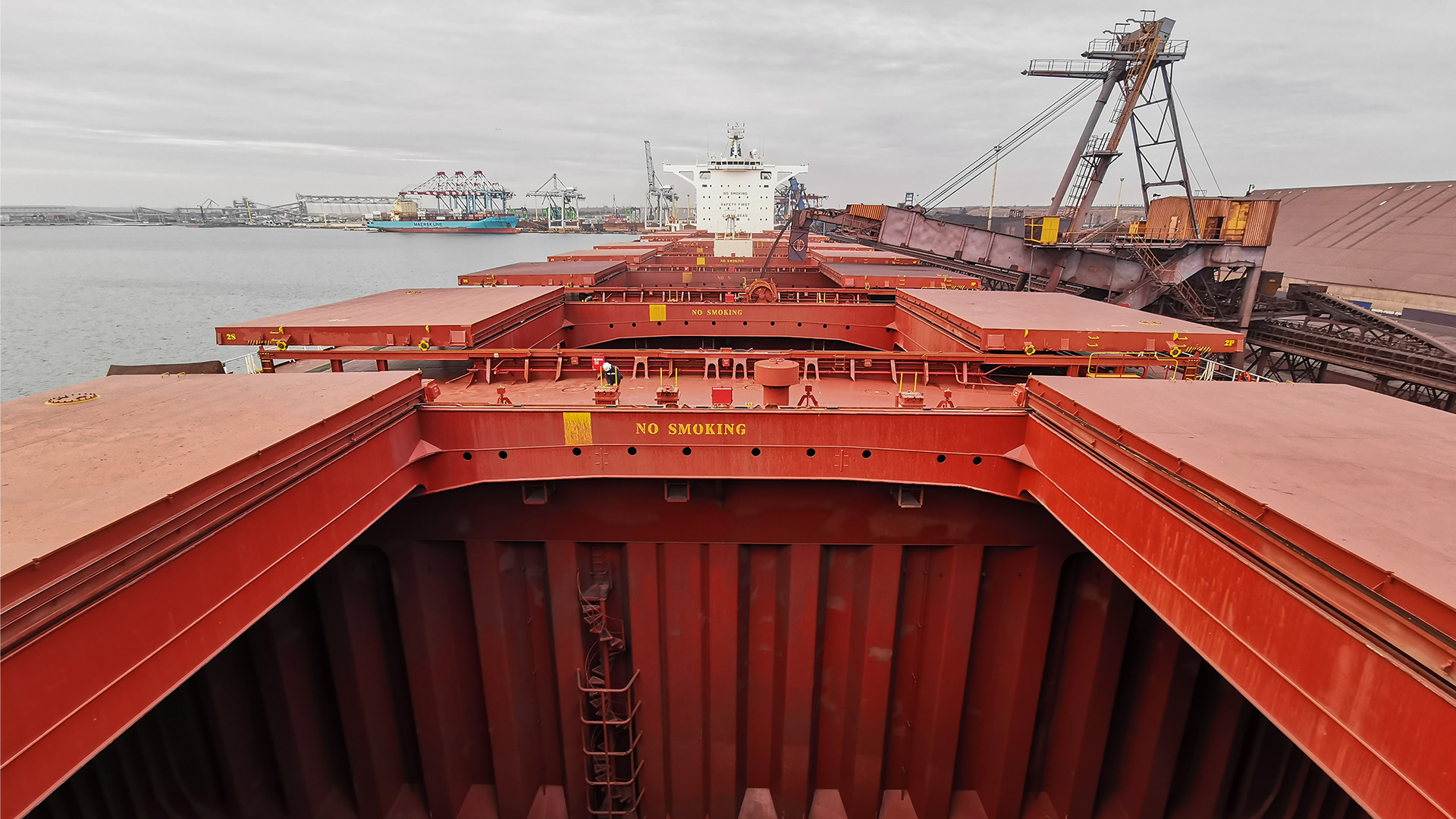
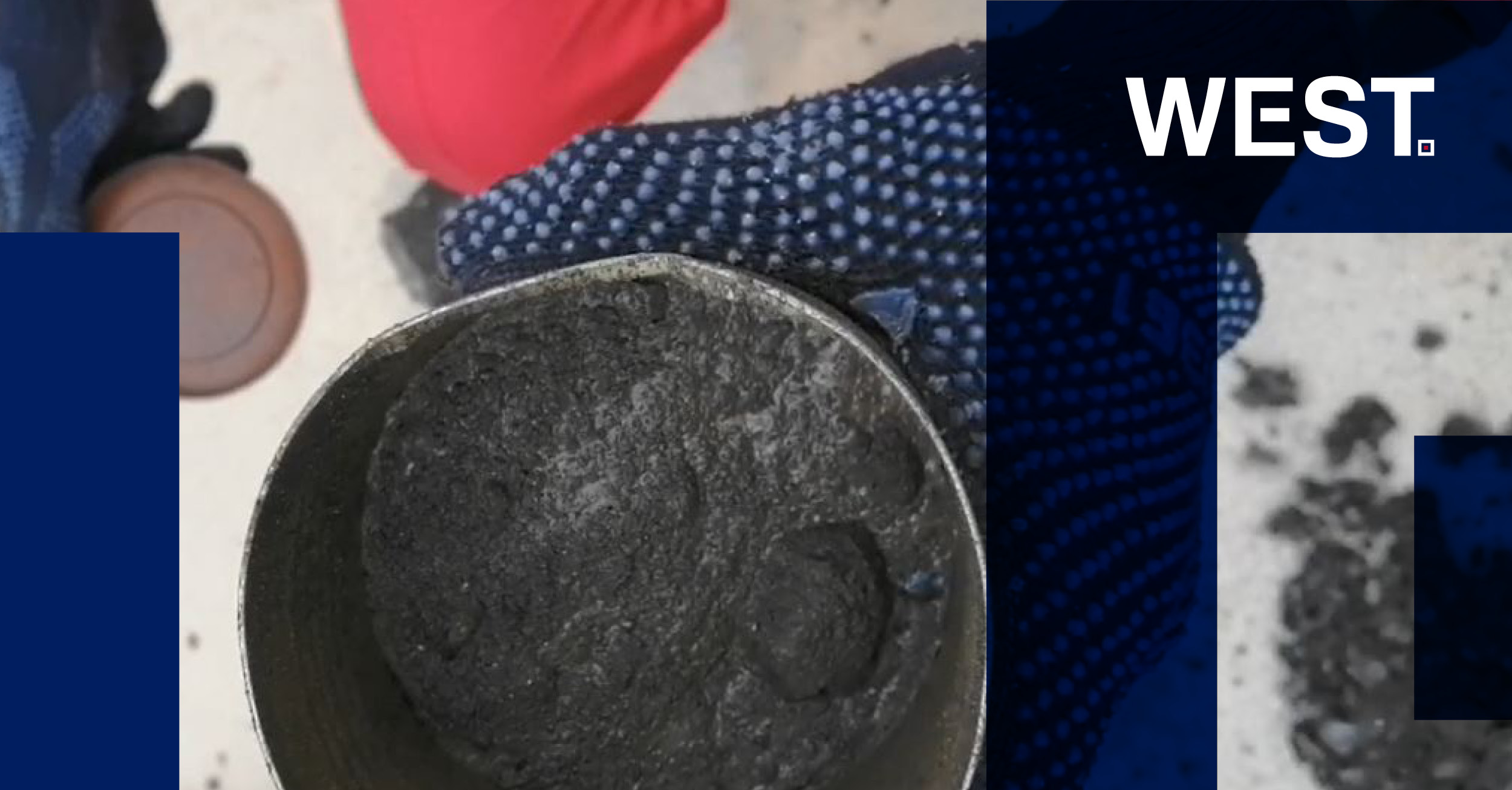
We refer to the enclosed circular issued by DNV GL, which is an excellent summary of the dangers and challenges involved when carrying cargo which may liquefy. The circular is also dealing with issues related to structural strength of bulkers and the effect liquefying cargo may have on the hull. Table of contents Introduction 1.1 Background What is bulk cargo liquefaction? 2.1 Liquefaction of granular materials 2.2 Liquefaction of very fine (non-granular) materials 2.3 Transportable moisture limit (TML) What are the risks for the vessel? 3.1 Liquefaction 3.2 Sliding Which cargoes are subject to liquefaction? 4.1 IMSBC Code group A 4.2 Nickel ore 4.3 Iron ore fines and iron concentrate (Sinter feed) 4.4 Bauxite Operational guidelines 5.1 Wrong cargo name 5.2 Cargo not listed in IMSBC Code 5.3 TML 5.4 Moisture content prior to loading 5.5 Increased moisture during loading and during voyage 5.6 Vessel motions and GM 5.7 Trimming of load to avoid shifting/sliding Design guidelines - specially constructed or fitted cargo vessels 6.1 Certificate of fitness 6.2 Stability evaluation 6.3 Hull strength evaluation 6.4 DNV GL involvement 6.5 Special considerations for bulk carriers 6.6 Special considerations for ore carriers For vessel specific enquiries, members are asked to contact their usual Skuld business unit. For further information, members are asked to contact the Association. Disclaimer The above article has been produced by or in co-operation with correspondents or other external sources and is reproduced here with their kind permission for general information purposes only. Reference is made to the Legal disclaimer governing use of this website.
DNV GL circular on bulk cargo liquefaction
Skuld
Read full article at Skuld →
Opens Skuld in a new tab