pi_circular Skuld
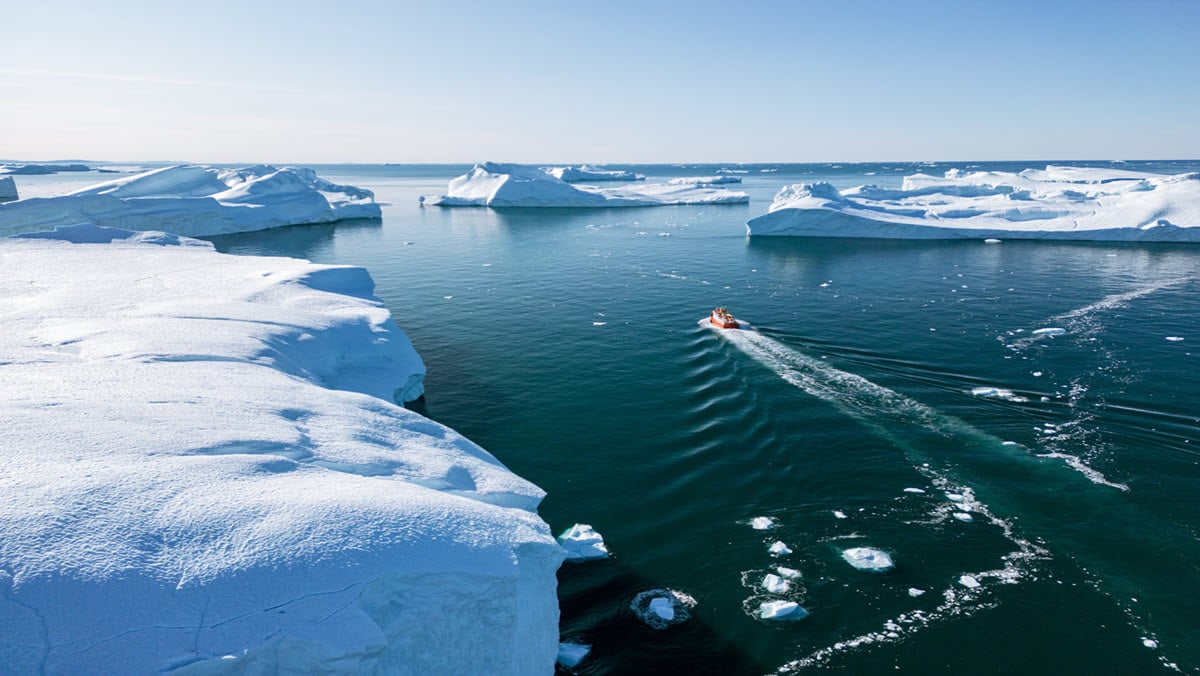
Image credit to: Curioso.Photography / Shutterstock.com Operations in the Arctic and Antarctic regions present unique navigational, operational, and environmental challenges that require thorough preparation and careful risk management. Extreme weather conditions, ice-covered waters, limited infrastructure, and the remoteness of these regions make polar voyages significantly more demanding than conventional trading routes. Shipowners, operators, masters, and crews must therefore ensure that vessels and personnel are adequately prepared before entering polar waters. Vessel preparation The suitability of a vessel for polar operations is a fundamental consideration. Ships trading in ice-infested waters should possess an appropriate ice-class certification corresponding to the anticipated ice conditions throughout the voyage. Hull structures, particularly in vulnerable areas such as the bow and waterline, should be suitably reinforced to withstand potential impacts from ice. Equally important are measures to maintain vessel habitability and operational capability in extreme cold. Effective heating systems and adequate insulation are essential not only for crew welfare but also to ensure the reliable functioning of machinery, navigation equipment, and critical shipboard systems. Given the increased likelihood of equipment failures in severe environmental conditions, vessels should be fitted with redundant systems wherever practicable. Backup arrangements for power generation, navigation equipment, communications systems, and other essential services can significantly enhance operational resilience and reduce the consequences of a single-point failure. Crew readiness and competence The competence and preparedness of the crew play a crucial role in the safe conduct of polar voyages. Personnel serving aboard vessels operating in polar waters should be properly trained in accordance with the International Maritime Organization (IMO) Polar Code requirements. Such training pro
Safe navigation and crew preparedness for operations in polar waters
Skuld
Read full article at Skuld →
Opens Skuld in a new tab