news Markets & tradeGeopolitical risk Hellenic Shipping News
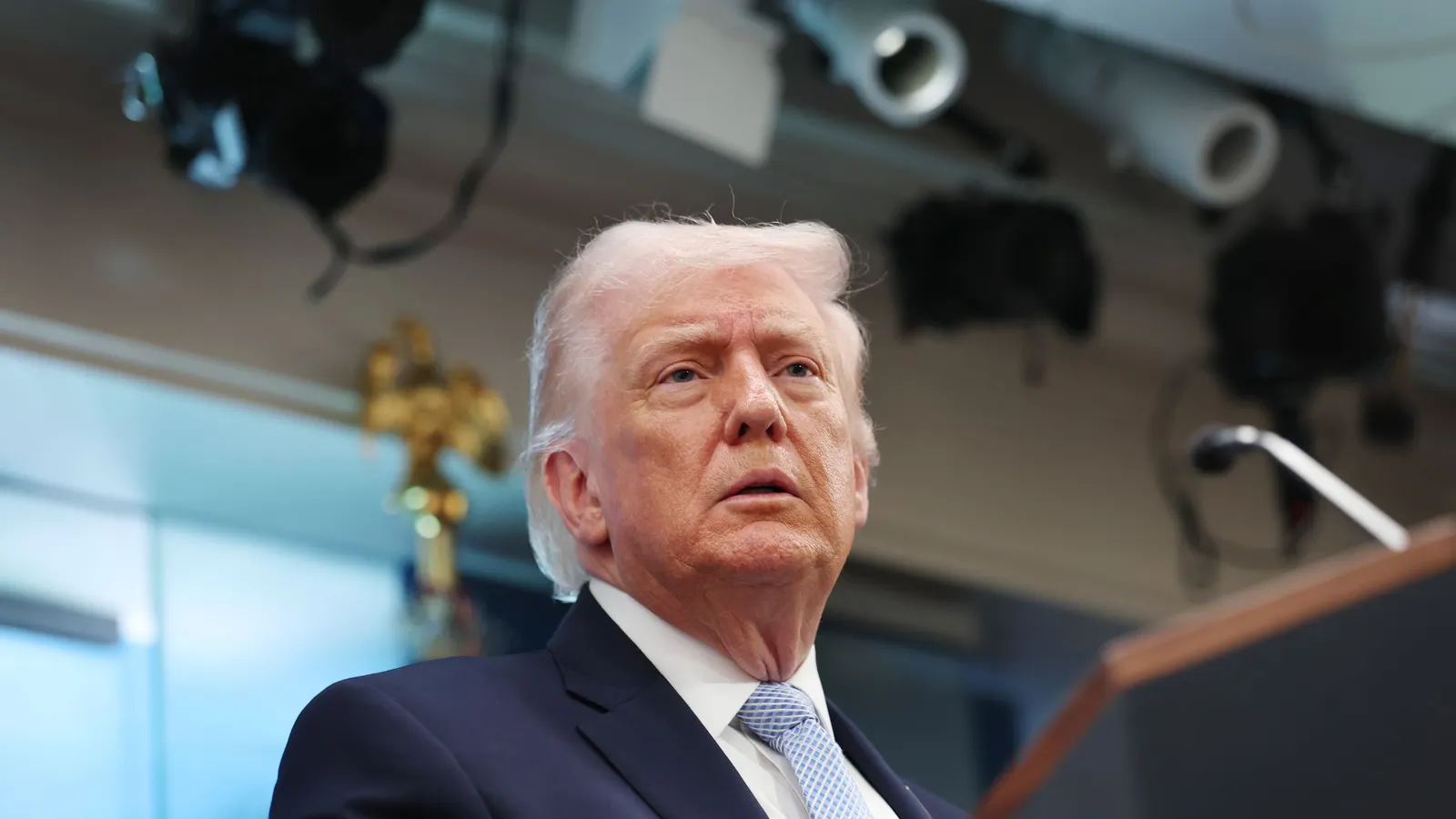
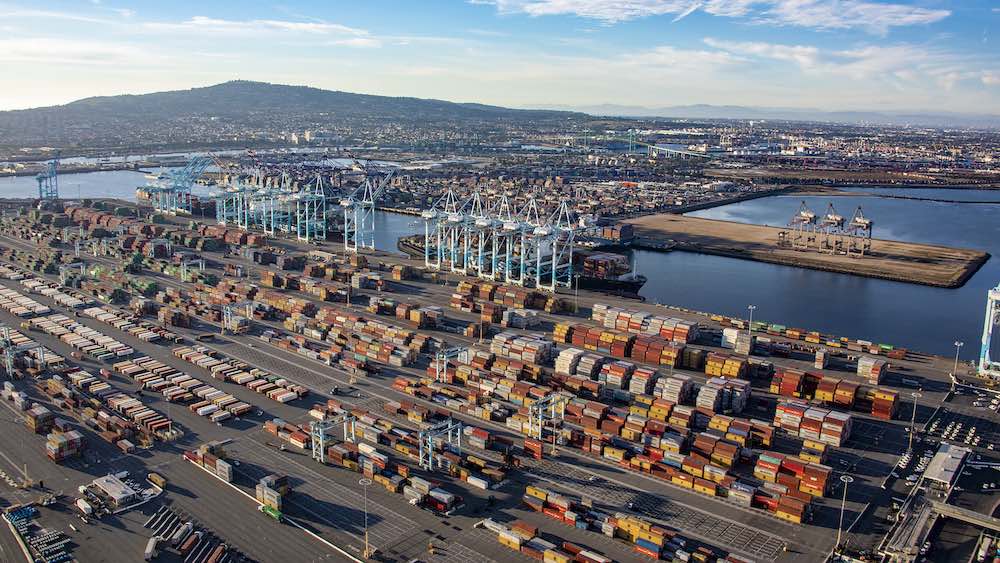
A year on: Four ways Trump’s tariffs have changed the global economy in World Economy News 03/04/2026 When US President Donald Trump launched his trade war last April, he promised a new era for America – vowing to restore manufacturing, raise money for the government and open up new markets. One year later, tariff rates in the US stand at the highest level in decades, with the average effective rate at roughly 10% up from about 2.5% at the start of last year. Here are four ways they have changed global trade. 1. US-China break-up accelerates Trump delivered a global shock last April on so-called Liberation Day when he unveiled a minimum 10% tariff on many foreign goods – targeting items from some countries, such as China, with far higher duties. As China hit back with tariffs of its own, the tit-for-tat exchange sent tariff rates spiralling into the triple digits and for a few weeks brought trade between the two giants to a screeching halt. Those tensions eventually calmed. At the end of 2025, Chinese goods faced tariffs, or border taxes, that were 20% higher than at the start of the year. But trade between the two countries still took a major hit. The value of US imports from China plunged roughly 30% last year. Shipments from the US to China saw a similar drop, down more than 25%. By the end of last year, Chinese goods represented less than 10% of America’s overall imports – comparable to levels last seen in 2000 and down from more than 20% in 2016, the year Trump was first elected. Increased US imports from Vietnam and Mexico, where Chinese firms have boosted their investments, suggest business ties between the two countries have not completely unwound. But the numbers indicate that the decoupling that started during Trump’s first term has finally arrived, says Davin Chor, professor and globalisation chair at Dartmouth University’s Tuck School of Business. When it comes to direct shipments, “it has been very dramatic and it has been very decisive,” he said. Chor said the big shift that happened last year suggested that companies had acted on plans that were already under way for some time. Even if Trump does not end up resurrecting his most aggressive levies, that suggests the break will linger, he added. “I don’t think you should expect things to go back to business as usual,” he said. 2. Trade partners look elsewhere AFP Canadian Prime Minister Mark Carney walks up to President of China Xi Jinping at the Great Hall of the People in Beijing, China on Friday, Jan. 16, 2026. Both men have their hands outstretched in preparation for a shake. AFP Tariffs have pushed US trade partners, like Canada, to look beyond the US Trump’s changes to the US tariff regime were more far-reaching than just his Liberation Day announcement. He also raised levies on specific items such as steel, lumber and cars and ended rules that had allowed shipments worth less than $800 to enter the country, among other measures. Despite the new taxes, US imports ended up increasing more than 4% last year – more slowly than in 2024 but hardly evidence of a plunge into isolationism. Still, the measures pushed many firms in other countries to look beyond the US for buyers, as political leaders raced to shore up non-US trade relationships. That was the case even for a country like the UK, which faced a relatively limited 10% tariff on its goods. Though the US remained the top destination for British goods in 2025, America’s share of exports sank, while countries such as
A year on: Four ways Trump’s tariffs have changed the global economy
Hellenic Shipping News
Read full article at Hellenic Shipping News →
Opens Hellenic Shipping News in a new tab