news LNG / LPG Compliance & regulationDecarbonization & energy Hellenic Shipping News
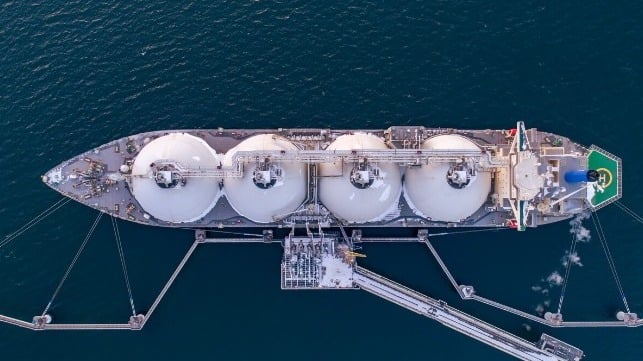
Clean Arctic Alliance: The Push for an Arctic Fuel Measure, Emission Control Areas Come Into Force, and the Risks of LNG Carriers in International Shipping News 31/03/2026 With the IMO’s recent PPR13 meeting behind us, we take a look at what IMO member states must do to achieve an effective Arctic fuels measure. We also review the coming into force of Emission Control Areas in Canada and Norway – and the upcoming adoption of an Atlantic ECA at MEPC 84 in April. Following the Arctic Metagaz disaster, an article in The Maritime Executive examines the risks of shipping LNG. At the close of February’s gathering of the International Maritime Organization’s Pollution Prevention and Response Committee (PPR 13) the Clean Arctic Alliance welcomed progress and support for an Arctic fuel measure, which would reduce black carbon emissions from international shipping in the Arctic. However, an expedited process was deemed impossible by the IMO – with further progress now potentially delayed for a full year. An IMO Arctic fuel measure would reduce black carbon emissions from international shipping in the Arctic, by requiring ships to only use fuels which meet certain characteristics (for oil based fuels) or future (low carbon, low emission) fuels, while effectively banning residual fuels or residual fuel blends. Black carbon is a short-lived climate pollutant, produced by the incomplete burning of fossil fuels, with an impact more than sixteen hundred times that of CO2 over a 20 year period. Black carbon makes up around one-fifth of international shipping’s climate impact. Not only does it contribute to warming while in the atmosphere, black carbon accelerates melting if deposited onto snow and ice – hence it has a disproportionate impact when released in and near to the Arctic. The melting snow and ice exposes darker areas of land and water and these dark patches then absorb further heat from the sun and the reflective capacity of the planet’s polar ice caps is severely reduced. More heat in the polar systems – results in increased melting. This is the loss of the albedo effect. A key paper submitted to February’s meeting, PPR 13-6, by Denmark, which represents Greenland at the International Maritime Organization, along with France, Germany and the Solomon Islands, proposed a new mandatory Arctic fuel measure for MARPOL Annex VI, requiring that ships sailing in the Arctic use cleaner fuels with low emissions of black carbon. Although the proposal received widespread support, it became apparent during the meeting that refinement was needed – while a handful of IMO member states opposed using the proposal as the basis of a new regulation. Furthermore, no discussion took place regarding the geographic area in which a new regulation would be applied. While this was a less than perfect outcome, just a year ago, this level of support could not have been expected. This progress was due to collective effort between countries, and civil society. Yet, with the Arctic warming four times faster than the rest of the planet, and with the 2026 Arctic winter sea ice extent looking like it could exceed the lowest maximum extent on the satellite record recorded in March 2025. While it is laudable that the proposal for an Arctic fuel measure was supported by many countries at PPR 13, given that it comes after 15 years of stagnation by the IMO on polar fuels, greater ambition must be harnessed to urgently clean-up of air polluting emissions from international shipping
Clean Arctic Alliance: The Push for an Arctic Fuel Measure, Emission Control Areas Come Into Force, and the Risks of LNG Carriers
Hellenic Shipping News
Read full article at Hellenic Shipping News →
Opens Hellenic Shipping News in a new tab