news TankerOffshore Operational risk gCaptain
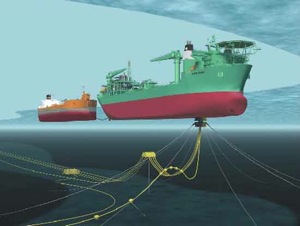
What Jobs Are Done With Dynamic Positioning? – Pt. 4 Sean Total Views: 459 September 5, 2010 Part 4 in our series continues on with a look at Dynamic Positioning and how it is used on more conventional, deep sea vessels. Make sure to look at Part 1 , Part 2 & Part 3 as well! Shuttle Tankers Used for running product between FPSO’s & the beach, shuttle tankers now conduct the loading on DP, as opposed to the more traditional mooring techniques. In the past shuttle tankers were conventional single hulled vessels modified for offshore loading. These days they are purpose built DP Class 2 vessels. Generally they will be twin screw with independent rudders, two bow & two stern thrusters, one of which will likely be a retractalbe azimuth type. 3 reference systems will be used for class 2 operations. DGPS in north america is the standard, while in the North Sea DARPS in more commonly used. (FACT CHECK)Artemis & acoustics will make up the other two. DP operation of these ships is based on the weather vane principle, meaning that the tanker will try to maintain position that keeps the environmental forces at a minimuum, thereby reducing power output. The artemis can be kept on the FPSO & used as a relative reference so that the shuttle tanker will stay a set distance off, even though both vessels are influenced by the sea state. This helps to prolong the life of the product hose & reduces the risk of the vessels making contact. Advantages to using shuttle tankers as opposed to pipelines: No need for connections of pipelines Storage right on the vessel, which can also be DP operated No mooring costs Easy & quick hookup, connection & disconnection Safe distance can be maintained from FPSO Weight & cost savings as certain equipment can be relocated or removed from vessel Due to weather vaning, the system can operate in extreme conditions Traditionally a shuttle tanker would be moored either to a buoy or directly t
What Jobs Are Done With Dynamic Positioning? – Pt. 4
gCaptain
Read full article at gCaptain →
Opens gCaptain in a new tab