news Operational riskCompliance & regulation Splash247
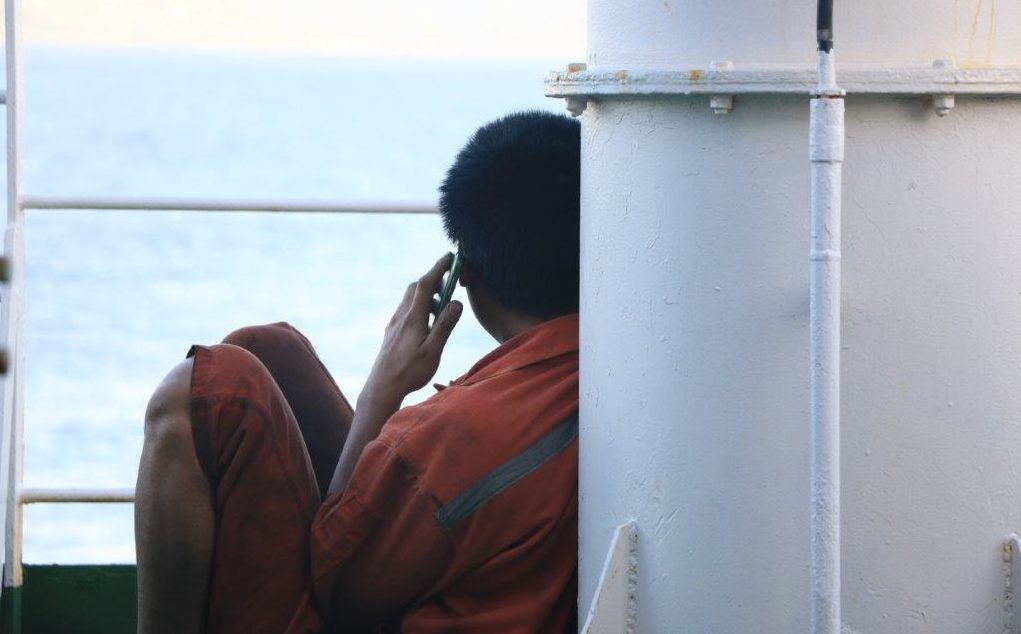
In a move to improve seafarer well-being and tackle worsening labour shortages in the shipping industry, the Global Maritime Forum has launched new guidelines for improving life at sea. The international not-for-profit organisation said that it aimed to use its most recent Sustainable Crewing Guidelines to boost working conditions and alleviate the forecasted shortfall of 90,000 trained seafarers by 2026. The guidelines were created by the organisation’s All Aboard Alliance with a consortium of 12 major shipping companies based on feedback from over 400 seafarers. These will address critical improvements needed in areas such as abuse and harassment, work-life balance, and onboard facilities to boost workforce well-being and safety. The research carried out to inform the guidelines showed that 25% of seafarers experience harassment and bullying – rising to above 50% for female seafarers. 90% report having no weekly day off, and many are isolated with limited or no access to internet services at sea. Struggling with inexperience, fatigue, and insufficient resources, workers face an increased risk of accidents. Allianz estimates that 75% to 96% of accidents and incidents at sea involve human error, while Science Direct claims that 15% to 20% of all fatalities are linked to fatigue. Also, seafarer labour shortages have reached a 17-year high, and some major banks have indicated they could curb lending for shipowners who put seafarers’ welfare at risk. Following 115 interviews with female seafarers from 23 different nationalities, the All Aboard Alliance launched the Diversity@Sea pilot project in October 2023 to address the pain points identified in the conversations. Several co-designed solutions were tested in a ten-month pilot project on 12 pilot vessels providing daily feedback to assess the impact of these measures. Pilot leads from each of the involved companies worked closely together to translate the learnings from the seafarers into the nine Sustainable Crewing Guidelines: Establish clear expectations of respectful and professional behaviour – fostering respect and inclusion at both the company and crew levels is key to improving seafarer well-being and creating a positive work environment. Zero tolerance for abuse and harassment – ensuring psychological safety onboard requires a zero-tolerance approach to unacceptable behaviour. Set rank-specific criteria for tasks, training, and appraisals – clear and transparent criteria are essential to ensuring fairness and equal opportunities for all seafarers. Ensure appropriate equipment and facilities for all – provide all seafarers access to personal protective equipment that fits all body sizes, gender-separated facilities, and basic hygiene products that are readily available on board for everybody. Provide a reliable daily connection to the wider world – this supports seafarers’ mental health, well-being, and job satisfaction. Around 13% of vessels globally offer no internet access at all, while others charge seafarers to access onboard Wi-Fi. Crew members have also reported high dissatisfaction with their amount of shore leave. Reduce isolation by building supportive communities – support networks and mentorship opportunities help seafarers feel less isolated and stressed. Offer flexible contract lengths and respect contract terms – honoring work agreements, avoid short-notice contract extensions and terminations, alleviate pressure seafarers feel to work excessive hours or spend too
Shipping tackles potential workforce crisis
Splash247
Read full article at Splash247 →
Opens Splash247 in a new tab