news Operational risk Splash247
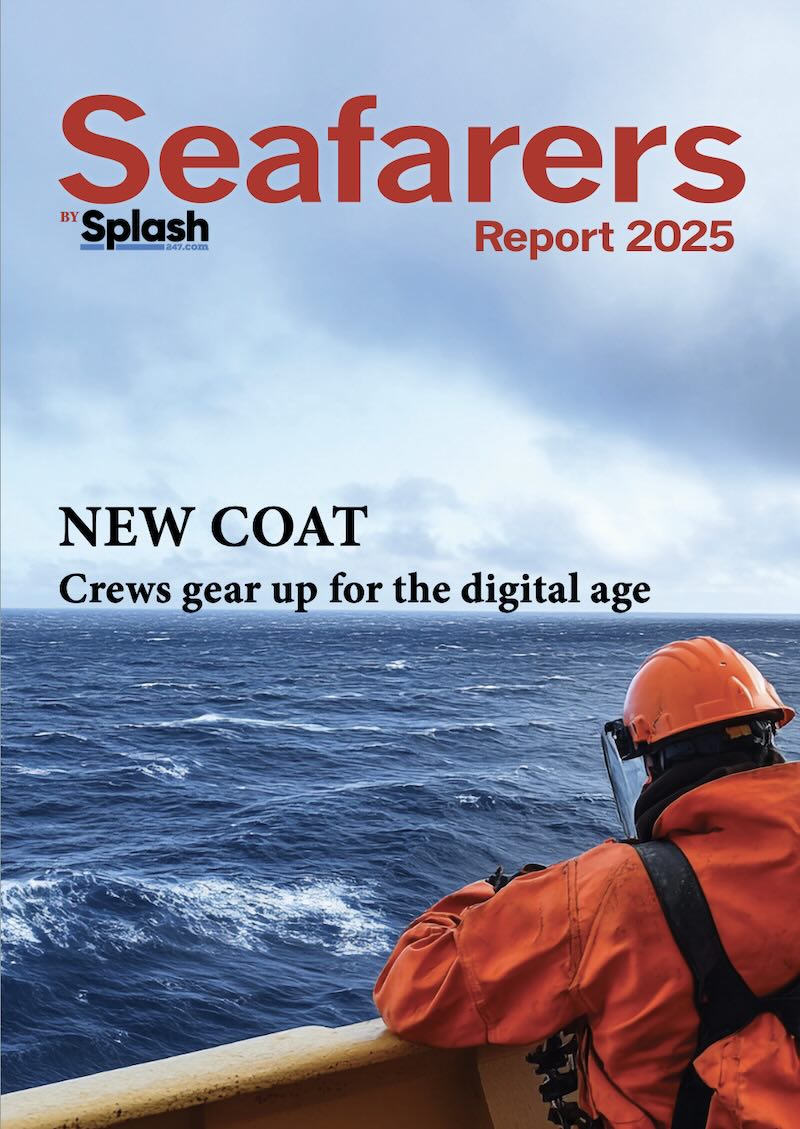
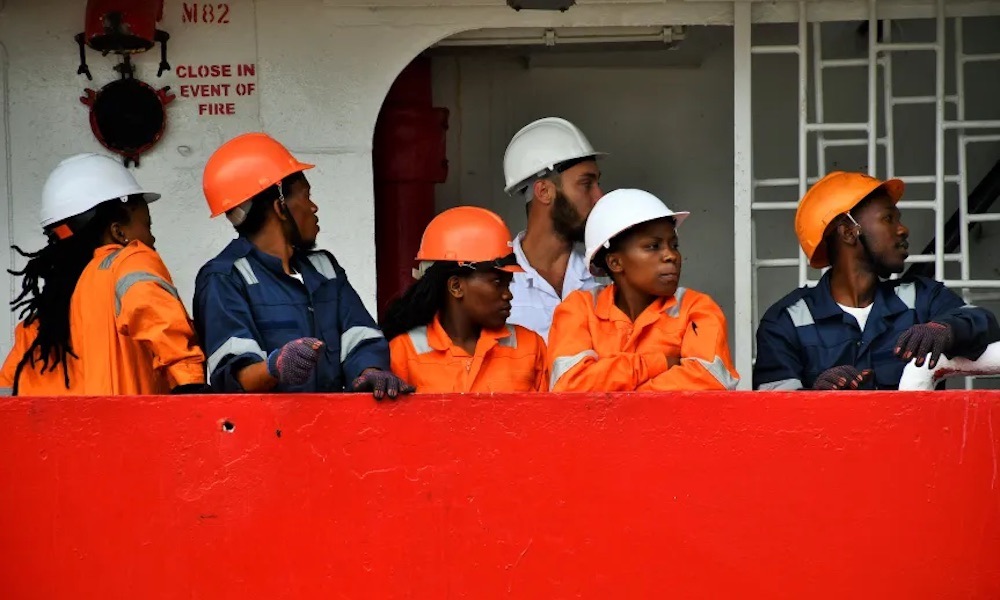
A core challenge facing shipowners, managers, and regulators remains decidedly human. The key themes emerging from Splash’s 76-page Seafarers magazine published this month centre on redefining the seafarer’s role in an automated world, combating a growing retention crisis through enhanced welfare, and radically overhauling training and ship design to match twenty-first-century expectations. The consensus is clear: the future of shipping hinges not on technology replacing people, but on technology empowering them. Shipping is on the cusp of a significant technological shift, with artificial intelligence (AI) and autonomous systems moving from laboratories toward the ship’s bridge. Yet, despite this rapid digital transformation, the reality on the water remains firmly human, and people remain the ultimate decision-makers at sea. Carl Martin Faannessen, CEO of Noatun Maritime, notes the current state: “99% of all vessels being delivered this year will be instantly recognisable, and sailable, by a 60-year-old seafarer. We see the shape of things to come, but we are not holding our breath”. You can’t expect 21st century talent to accept 20th century conditions AI is primarily viewed as a supporting tool, designed to process complex information for faster and more accurate decision-making, thus reducing the burden on the crew and improving their wellbeing. Anglo-Eastern, for example, monitors over 400 data points per vessel using high-frequency telemetry, predictive maintenance algorithms, and AI-assisted dashboards, shifting ship management from reactive to proactive, data-driven operations. This technological assistance allows talent and time to be redistributed away from more menial tasks, such as routine reporting. However, the proliferation of technology introduces new risks, particularly cybersecurity. Concerns include GPS spoofing, hacking of engine control systems, and navigation risks. Industry leaders stress that training programmes must adapt to include cyber awareness, data literacy, and systems thinking. Ryan Kumar of Direst Search Global emphasises this new imperative: “The ability to detect, question, and respond to digital threats is just as important as handling an engine failure. AI is here to assist, not absolve”. A critical theme in this digital embrace is the need for the human-machine interaction to be intuitive and trustworthy. As Cyril Ducau, CEO of Eastern Pacific Shipping, articulates: “Technology is only as strong as its user interface and training. We cannot expect crew to embrace new systems without proper training and user feedback”. The effectiveness of any smart technology relies on how actionable and understandable its insights are presented. Ultimately, when things go wrong, the final decision still rests with a human, confirming the principle that “the smartest ship is only as wise as the person commanding it”. The retention riddle Retention has quietly escalated into one of shipping’s most significant business challenges, despite global pay packets rising across most ranks. The International Chamber of Shipping forecasts a shortfall of nearly 90,000 officers by 2026, driven partly by experienced seafarers transitioning to shore-based positions after only three to five years in senior roles. The core issue is a changing value equation: for the new generation, loyalty stems from being seen, supported, and connected, not just the payslip. Tim Hill, CEO of Stella Maris, notes that the financial appeal of workin
The crossroads of the crew

Splash247
Read full article at Splash247 →
Opens Splash247 in a new tab