news Operational risk Splash247
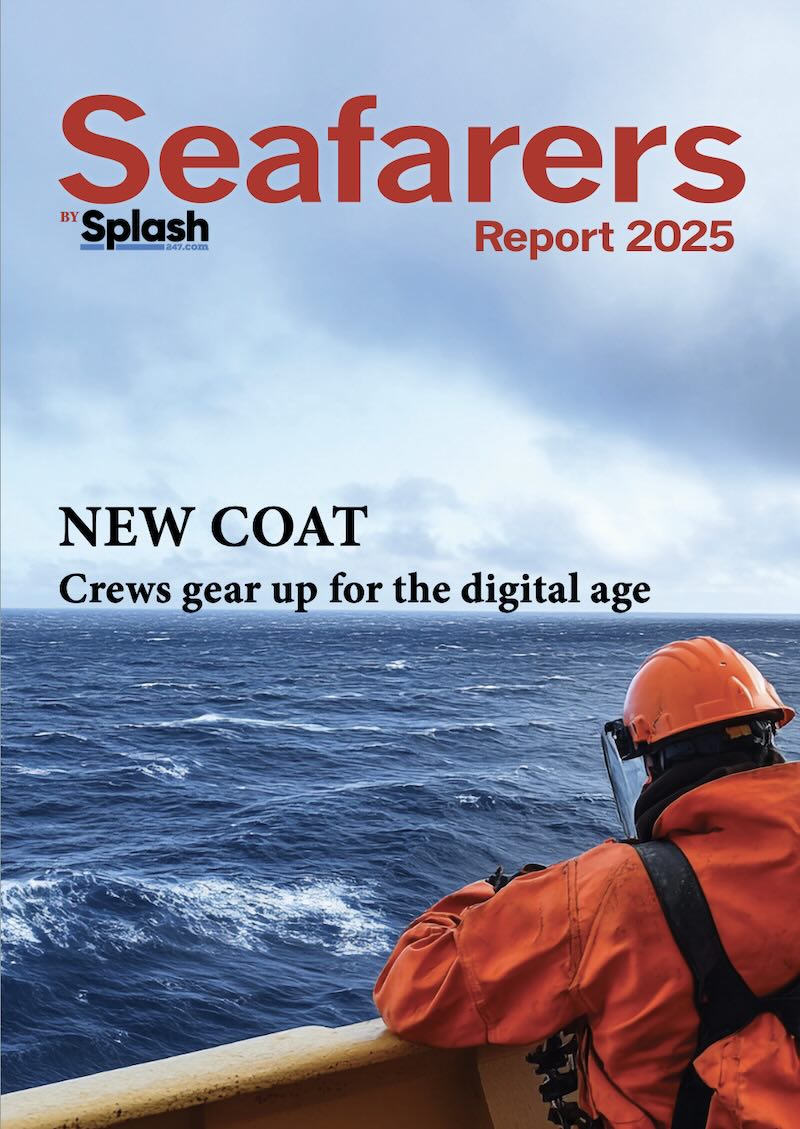
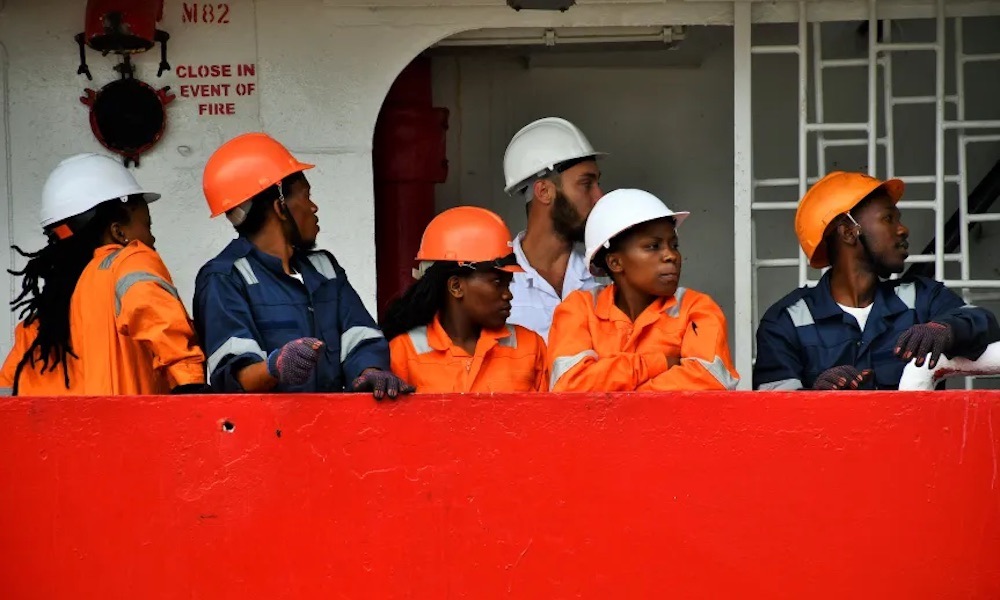
Shipping’s human capital crunch is fast becoming one of its defining challenges of the decade. The latest chapter from our brand-new Seafarers magazine which is being distributed across Hong Kong Maritime Week. From Singapore to Copenhagen, shipowners and managers are grappling with a shrinking supply of qualified crew just as fleets grow larger, more complex, and more technologically advanced. The numbers are sobering: the International Chamber of Shipping forecasts a shortfall of nearly 90,000 officers by 2026, a figure that echoes across boardrooms and crewing desks alike. Yet, amid warnings of a tightening labour pool, there is also renewal. Companies are rethinking how and where they recruit, expanding beyond traditional strongholds and investing in training and wellbeing with a sense of urgency not seen in a generation. As Cyril Ducau, CEO of Eastern Pacific Shipping (EPS), one of the world’s largest shipowners, puts it: “The key for us today is balancing technological evolution with skills readiness. As vessels become more advanced with dual-fuel engines, digital platforms, and AI-assisted systems, the industry needs seafarers who are able to adapt quickly to new training and technologies.” EPS is in the middle of one of the industry’s fastest fleet expansions, with plans to lift its seafarer headcount to over 10,000. Its Life-at-Sea programme—built around retention, wellbeing, and skills—has already become a benchmark. “The investments we’ve made are bearing fruit,” Ducau says. “Our retention rates are high, and EPS has earned a reputation as a quality employer.” EPS is also spreading its geographical net. The company will open its own manning office in Manila in 2026, followed by another in China in 2027. “Coupled with our existing offices, this will allow us to cover most hiring centres with our own resources and better access to talents,” Ducau explains. The company is also strengthening cadetship pipelines and cross-training to future-proof its talent pool. The generational gap For many, the deeper problem lies not in the number of potential recruits, but in aligning their expectations with the realities of life at sea. Wellington Koo, executive director of Valles Steamship, captures it, saying: “The present young generation is a fast food generation. They would like to see results within a short period of time, but the maritime industry requires patience—and there is no fast track for knowledge or experience.” He adds that the pandemic was a turning point. “Seafarers might now opt for shore jobs to stay closer to family and friends,” Koo says. That sentiment—valuing stability and proximity over adventure—is reshaping how companies recruit and retain. India, the Philippines, and beyond For large managers like Fleet Management, part of the Caravel Group, scale and consistency are the key. “The biggest challenge is attracting and retaining people to a long-term career in shipping,” says group COO Angad Banga. “We’re competing not only with other maritime companies but also with technology and finance sectors that offer more predictable lifestyles.” To bridge that gap, Fleet has doubled down on training. The group recently acquired the International Maritime Institute in Greater Noida, one of India’s leading maritime academies, ensuring control over both pre-sea and post-sea education. “Our focus isn’t just to expand the pool but to ensure each new recruit is supported by strong, consistent training standards and career pathway
Shipping broadens the search for seafarers
Splash247
Read full article at Splash247 →
Opens Splash247 in a new tab