news Markets & tradeGeopolitical risk Hellenic Shipping News
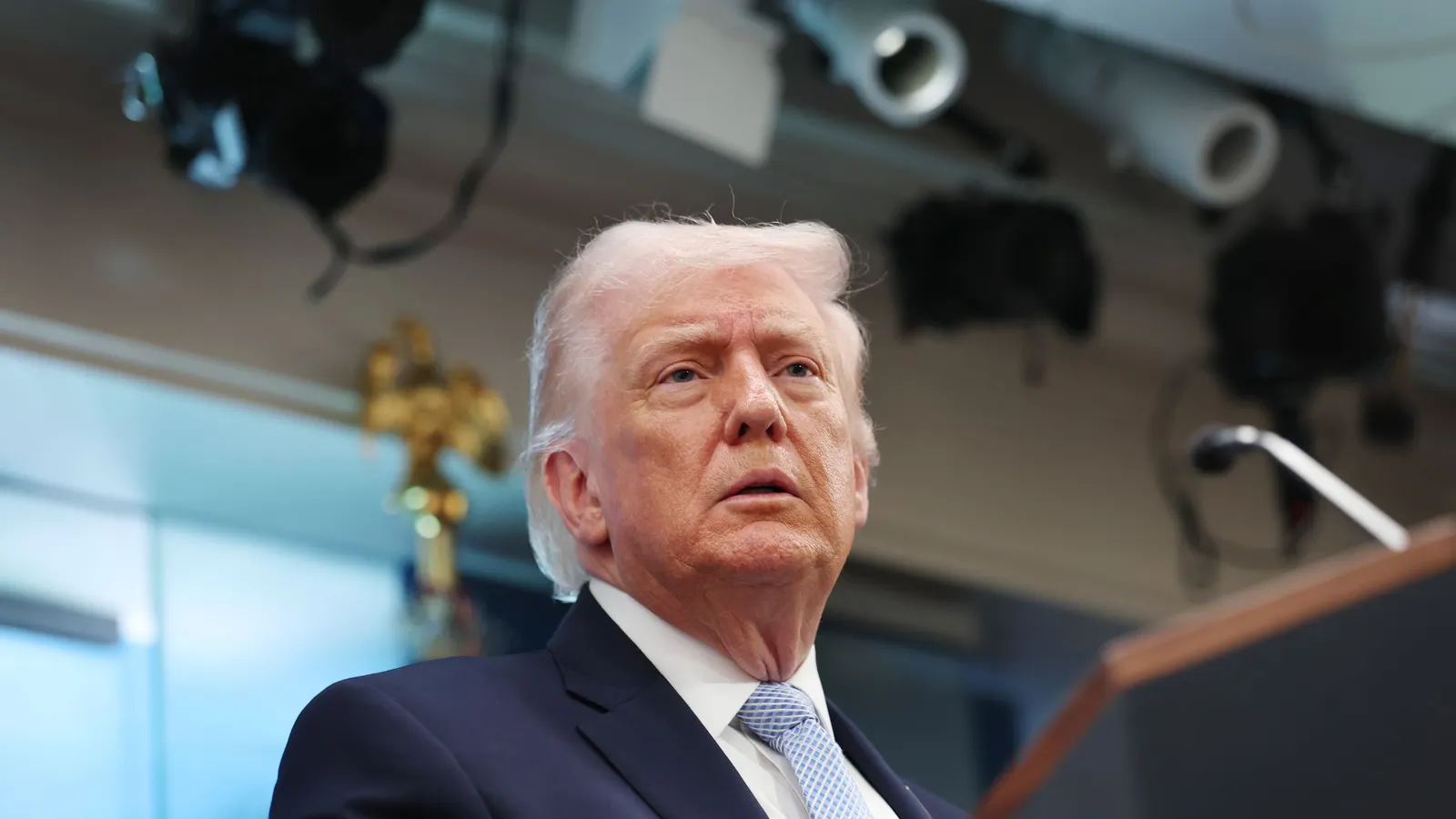
Trade uncertainty could frustrate economic growth in 2026 in World Economy News 30/01/2026 After the sound and fury echoing through the halls of the World Economic Forum last week, the dust seems to be settling for now, but 2025 has shown us that keeping the global economy off-balance can be as damaging as trade measures. Events opened in Davos, Switzerland, on the heels of US President Donald Trump’s threats of additional tariffs on seven European countries in tranches to fall in February and June. This drove a fairly apocalyptic set of speeches by leaders in the EU and Canada, while China positioned itself as a pro-multilateralism trading partner and Trump himself, between fulminating on slights past and present, ruled out military action in Greenland. Markets, which had been plummeting through the week, breathed a sigh of relief at the news, compounded by later confirmation of an understanding being reached on Greenland. While the immediate risks of higher tariffs has receded, the threat of additional duties on European countries has revealed that existing trade deals are no protection against additional duties. Trump, particularly in his second term, has utilized tariffs as a negotiating tool, introducing them when a country has attracted his ire, and removing or diluting them when that produces results. The fact that the Liberation Day trade instruments introduced last year, and the flurry of negotiations that followed, has not neutralized the potential for tariffs to be introduced at any level, at any time, for any country. CANADA TENSIONS Fresh evidence of this arose on 24 January, when Trump threatened 100% tariffs on Canada if the country closes a trade deal with China, following a move to rescind an invitation to Canadian Prime Minister Mark Carney to join his Board of Peace. Canada has agreed to cut automotive tariffs on China, while Beijing is to cut duties on agricultural imports from the country. In a statement responding to the US’ warning, Canada’s trade minister, Dominic LeBlanc, said the agreement with China represents an adjustment of trade terms rather than a comprehensive deal. “There is no pursuit of a free trade deal with China. What was achieved was resolution on several important tariff issues,” he said. Despite the US’ strong domestic polymers production capacity, Canada remains a substantial source of polyethylene and polypropylene to the country, and is its largest exporter of ammonia. More than half of the US’ 1.7million tonnes of ammonia imports in January-October last year came from Canada, and the country is also a key supplier of potash. US farmers have already borne the brunt of some of the US’ trade skirmishes, particularly with China, and the Canada unease could place further pressure on the country’s agricultural sector. With the situation uncertain and the dispute hinging around an issue as murky as what precisely constitutes a trade deal, farmers could be forgiven for being wary around locking in orders for the April-May planting season if prices could surge. The dispute is also likely to add to uncertainty around chemicals purchases in both directions, as Canada could prepare retaliatory measures if the 100% tariff threat starts to look like it may come to pass. UNCERTAINTY These lengthy periods of tariffs hanging unresolved over the global trading system could stand to cool growth in much the same way those fears subdued the tentative signs of recovery in early 2025. Industry players have become
Trade uncertainty could frustrate economic growth in 2026
Hellenic Shipping News
Read full article at Hellenic Shipping News →
Opens Hellenic Shipping News in a new tab