pi_circular Operational riskSafety & casualty Britannia P&I
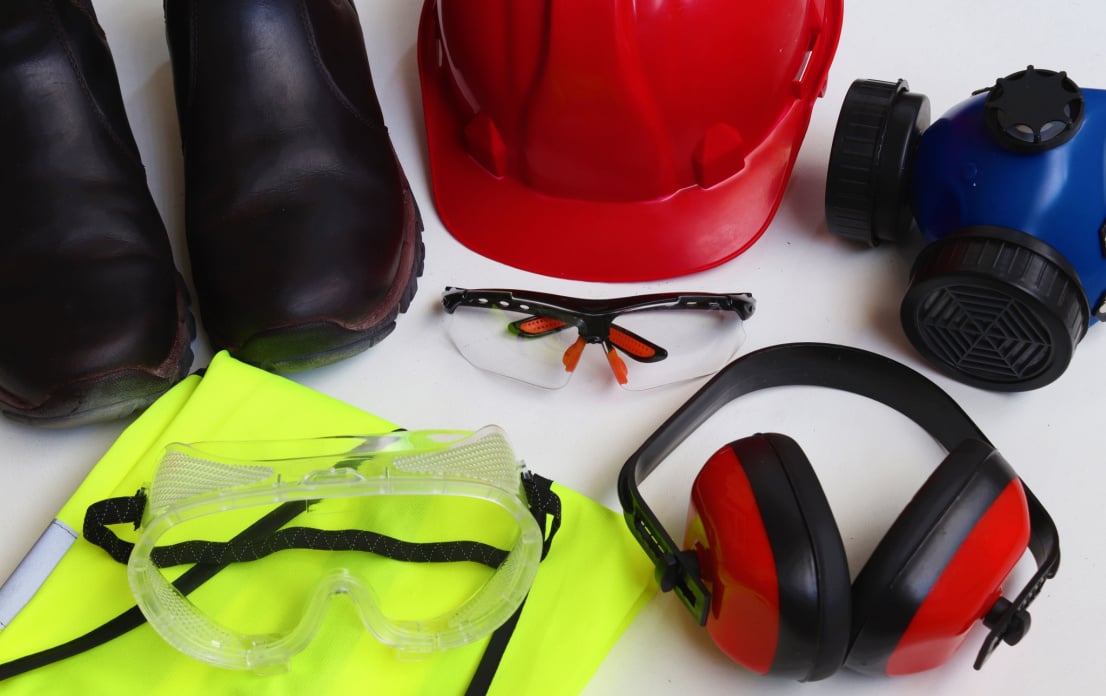
INDUSTRIAL BUMP CAP In scenarios where confined spaces pose head impact risks, industrial bump caps offer a suitable alternative. A common example is working in a main engine crankcase, where a safety helmet may prove cumbersome and distract from safety. However, they do not protect against falling objects and are best suited for specific work environments. As with helmets, bump caps adhere to approved standards and have recommended shelf lives of 3 to 5 years. Before each use, users must ensure the caps are free from damage. While head protection may seem straightforward, understanding its limitations and maintaining it diligently are essential responsibilities for users. In the maritime realm, where safety is paramount, prioritising head protection is not merely a guideline—it is a commitment to ensuring the wellbeing of every seafarer navigating the seas. PRIORITISING HEAD PROTECTION AT SEA 10 | CREW WATCH CREW WATCH | SAFETY Shipowners and operators should provide clear procedures and rules stipulating where and when head protection is necessary, ensuring seafarers receive the appropriate safety equipment for their roles, free of charge. While the headgear provided is typically in a good condition, it is imperative for seafarers to handle and use it appropriately. ADVICE FOR SEAFARERS CONDUCT PRE- AND POST-USE INSPECTIONS FOR DAMAGE ALWAYS WEAR THE CHIN STRAP TO PREVENT MOVEMENT DON’T DEFACE OR MODIFY HELMETS CLEAN HELMETS ACCORDING TO MANUFACTURER GUIDELINES, TYPICALLY USING SOAP AND WATER REMOVE HELMETS FROM SERVICE AFTER SIGNIFICANT IMPACTS OR IF DOUBTS ARISE REGARDING THEIR CONDITION. INDUSTRIAL SAFETY HELMET Industrial safety helmets primarily aim to protect wearers from falling objects, although they may lack side or frontal protection. The helmet must conform with an approved standard (e.g. in Europe EN 397), with markings indicating adherence to these standards. Specialised roles may require helmets meeting different standards, such as those designed for firemen (e.g. EN 443:2008) or for working on electrical installations (e.g. EN 50365). Internally, helmets should display a manufacture date, guiding their service life expectancy. Your employer should have its own policy on retirement age for safety helmets, and manufacturers will have recommended service life intervals. A common standard is two years in use, and five years in storage. It is difficult to be exact with this, as the useful life of a safety helmet can very much depend on how it has been utilised. NEVER PUT STICKERS ON YOUR HELMET. THE ADHESIVE ON SOME STICKERS CAN WEAKEN THE HARD HAT MATERIAL AND REDUCE ITS OVERALL STRENGTH. IN SOME CIRCUMSTANCES STICKERS CAN ALSO COVER DAMAGE AND MAKE IT HARDER TO INSPECT. ANTHONY GARDNER, LOSS PREVENTION MANAGER, BRITANNIA P&I HEADS UP! NEVER NEVER ADD AIR HOLES TO YOUR HELMET OR MODIFICATIONS THAT ARE NOT PROVIDED BY THE MANUFACTURER NEVER SEAFARERS SPEND MUCH OF THEIR WORKING DAY WEARING HEAD PROTECTION, A CRUCIAL PRECAUTION IN AN INDUSTRIAL SETTING WHERE THE RISK OF HEAD INJURIES IS PREVALENT. CREW WATCH | SAFETY CREW WATCH | 11 INDUSTRIAL BUMP CAP
Prioritising Head Protection at Sea 1
Britannia P&I
Read full article at Britannia P&I →
Opens Britannia P&I in a new tab