pi_circular Safety & casualtyOperational risk Britannia P&I
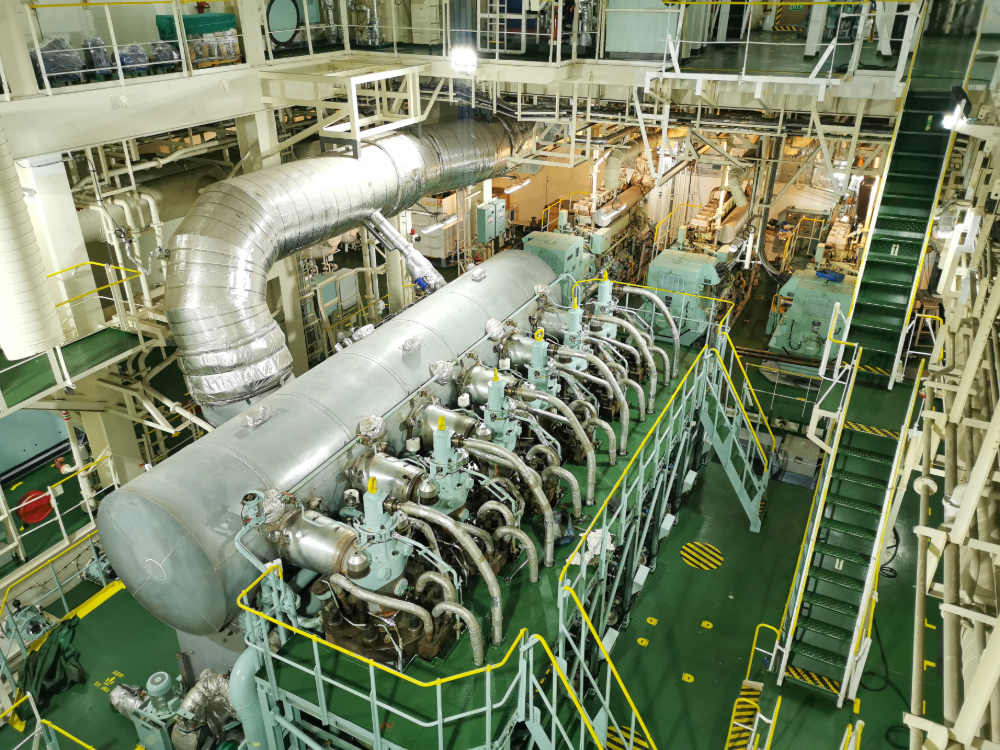
CREW WATCH | SAFETY There is a distinction between temporary or operational hazards, and those that are permanent or exist by nature of the ship’s structures or arrangements. However, for both, early identification and subsequent action to make these hazards safe are key. TEMPORARY HAZARDS - MITIGATE AND REMOVE PROMPTLY Temporary hazards should ideally be identified during the work planning and risk assessment processes. Constant vigilance from all personnel, along with adequate work equipment and safe work procedures are also required to reduce the risk. This is particularly important during periods such as dry dock, when many hazards may be present simultaneously. Slipping hazards are generally the result of leakage, spillage or poor housekeeping. Effective preventative measures include adequate maintenance, good operational MACHINERY SPACES ON BOARD SHIPS CAN CONTAIN MANY SLIP, TRIP, AND FALL HAZARDS. AS THE MOST COMMON CAUSE OF PERSONAL INJURIES, IT IS IMPERATIVE TO PREVENT THEIR OCCURRENCE AND ADDRESS THEM PROMPTLY WHEN DISCOVERED. ANTHONY GARDNER, LOSS PREVENTION MANAGER, BRITANNIA P&I 4 | CREW WATCH TRIP HAZARDS IN MACHINERY SPACES Crew Watch Autumn_25.9.25.indd 4Crew Watch Autumn_25.9.25.indd 425/09/2025 15:2725/09/2025 15:27 CREW WATCH | 5 CREW WATCH | SAFETY practices and regular cleaning. Ongoing cleaning (not just upon completion of a task) during maintenance can be overlooked but is vitally important to keep the workplace safe. Nobody should enter a machinery space without proper personal protective equipment, regardless of the task being carried out or the length of time inside. The use of flexible hoses, electrical cables, and portable tools are all necessary parts of conducting work in machinery spaces. However, these items present substantial tripping hazards, and their use should be controlled as far as possible with every effort made to highlight their placement. Hoses or electrical cables should be led in a way to prevent them from becoming a tripping hazard. Where this is not fully possible, consider the use of cable ramps to cover them or S hooks to suspend them clear of walkways. Portable tools and other items should not be left unattended, and it is recommended to keep them in a designated area when not in use. Falling hazards are arguably the most dangerous for personnel, and the most likely to result in a serious injury. The removal of guard rails or opening of hatches should be minimised, and adequate temporary barriers put in place to prevent personnel from reaching a position of danger. A common hazard that can combine tripping and falls from height is the removal or inadequate securing of floor plates. When floor plates are removed, it is essential to inform all personnel who may pass that area, with barriers put in place at a sufficient distance from the removed section. Floor plates must be resecured properly once re-fitted, as failing to do so can cause plates to shift off supports and allow personnel to fall through when stepping on them. They can also become tripping hazards if they are able to rise above adjacent flooring. The simple solution is to always fully secure floor plates and gratings when not being used to allow access. If machinery space flooring is being removed regularly for operational reasons, a safer arrangement should be installed. PERMANENT HAZARDS - IDENTIFY AND RAISE AWARENESS Permanent hazards such as pad eyes on deck, access arrangements, and changes in flooring height often rely
Trip Hazards in Machinery Spaces
Britannia P&I
Read full article at Britannia P&I →
Opens Britannia P&I in a new tab