casualty_report Operational risk Splash247
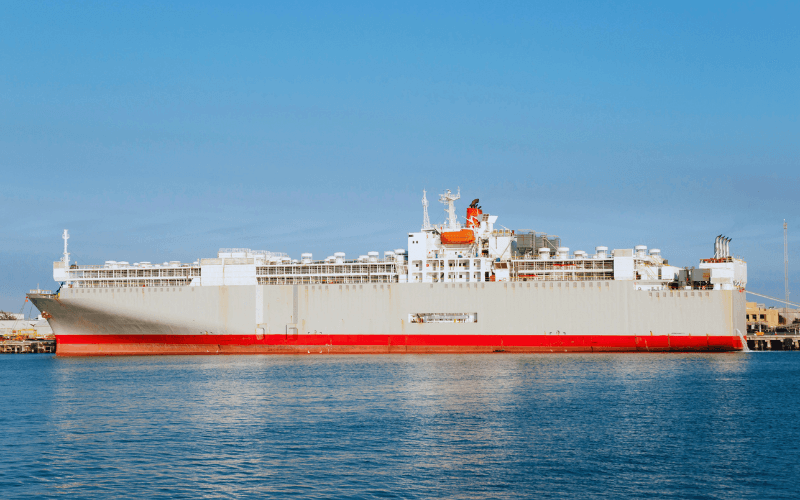
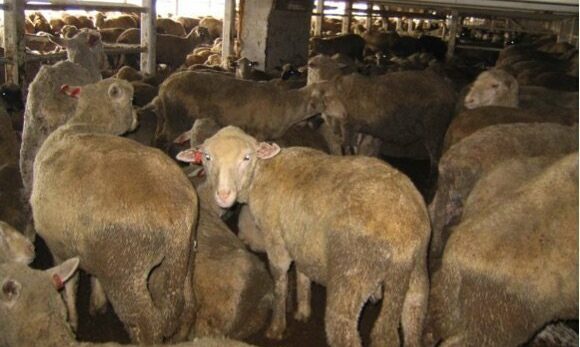
With animals spending over a month on the Bahijah livestock carrier a chance to get back on firm land has been earmarked for this weekend. According to media reports, some 16,000 sheep and cattle that were ordered back from the Red Sea due to the possibility of Houthi attacks, will be unloaded in Australia with the possibility of being put on another vessel and exported still looming. Geoff Pearson, head of livestock at farm group WAFarmers, said that the vessel will most likely start unloading over the weekend due to another livestock carrier being loaded in Fremantle. He added that re-export was still the preferred option. When the livestock disembarks, they will be moved into quarantine, a requirement by the country’s biosecurity laws. Another big issue for the animals has been a heatwave in Perth with forecasts in the high 30s for the entirety of next week. No official statement from the exporter or the Department of Agriculture has been made. The Israeli-based exporter Bassem Dabbah Shipping did submit a plan to re-export the animals without unloading them back to the Middle East via the Cape of Good Hope. Exporting to the Middle East along the longer 33-day route along Africa was a way for the company to evade any possible Houthi attacks on ships along the shorter Red Sea route. However, the plan was not approved by Australia’s Department of Agriculture as the regulator was not assured that the requirements would be met before the livestock were imported into the importing country. The department also stated that the exporter did not ensure that the arrangements for the transport of the livestock to their final overseas destination were “appropriate to ensure their health and welfare.” Animal welfare group Stop Live Exports joined 11 other similar organisations in calling for exporters to immediately apply a voluntary suspension on all live animal exports to or through the Red Sea and around the Cape of Good Hope while they are at risk of attack. In an open letter published on Thursday, the organisations expressed grave concerns for the welfare of animals subjected to live export, especially those travelling to and through the Red Sea region stating that the Bahijah situation is a concerning example of this as it was nothing more than “a futile 30+ day voyage which could have been avoided.” “Under no circumstances should these animals, who have already endured so much, be forced to face another export journey,” the letter said. Another livestock vessel left Australia last week for the Red Sea port of Aqaba and is set to arrive there on February 19. Stop Live Exports / Facebook Stop Live Exports identified the vessel as the Jawan and accused the Australian Department of Agriculture of animal neglect as they allowed “another ship to travel into the Red Sea conflict zone with animals on board.” googletag.cmd.push(function() { googletag.display('div-gpt-ad-1_95_0_1_2'); }); TagsAustralia
Unloading animals from controversial livestock carrier now pencilled in for this weekend

Splash247
Read full article at Splash247 →
Opens Splash247 in a new tab