news Cargo riskOperational risk Splash247
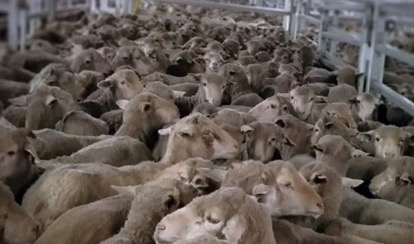
After nearly a month at sea and a few days in port, several hundred head of cattle from the Bahijah livestock carrier were unloaded on Friday night. The unloading was done at the request of the exporter and officials from the Australian Department of Agriculture, Fisheries, and Forestry were present to ensure all biosecurity protocols were met. According to an update by the department, the cattle appear healthy. After unloading, the cattle were moved to the appropriate premises where for safe quarantining. The department noted that this action was separate from the potential re-export of the remaining animals on the vessel, an action still under consideration. Secretary of the Australian Department of Agriculture, Fisheries and Forestry Adam Fennessy said on Sunday that the veterinarian on board the vessel reported no significant health or welfare concerns with the livestock that remain on board the vessel. “Veterinarians visited the livestock yesterday and the Australian Chief Veterinary Officer, Dr Beth Cookson, is in regular contact with the Western Australian Chief Veterinary Officer in respect of the livestock [that disembarked on Friday],” Fennessy stated. No final decision has been made by department officials regarding the livestock still on the Bahijah. The department, according to Fennessy, is still assessing the application to re-export the livestock provided by the exporter as “a matter of priority.” “Right now, the ship is currently off the West Australian coast and is undertaking some routine cleaning. It is adequately provisioned for the livestock on board,” he added. When answering a question about the decision for re-export taking so long, the department secretary said that the legislation set out what the decision-maker must consider and be satisfied to approve an application for export. “The legislative requirements have been met, including those in the Export Control Act and Animals Rules. [The] importing country requirements have been or will be met before the livestock are imported into the importing country, for example, if an import permit is required and has or will be obtained. Arrangements for the voyage are appropriate to ensure the health and welfare of the livestock,” Fennessy said. Another question addressed to the department was a report that the unloaded animals would be processed in Victoria which the secretary denied. The excellent health of the animals was opposed to local media reports which stated that some of the several hundred cattle unloaded from the Bahijah on Friday had also died over the weekend. Those deaths are now under investigation. Dr Cookson did not provide an exact number but said that the mortality rate was low. The 2010-built, 7,900 dwt livestock carrier with around 14,000 sheep and 2,500 cattle, registered to Israeli-based Bassem Dabbah Shipping, had been on the water since January 5 when it left Australia. On January 16 it diverted from its route due to safety concerns from Houthi attacks on ships in the Red Sea. The Department of Agriculture ordered the vessel to immediately return to Australia due to biosecurity risks and livestock welfare. The vessel was moored off the coast of Perth for several days before berthing in Fremantle port on early Thursday morning local time. The exporter did present a plan to resolve the issue to the Department of Agriculture. It entails offloading some of the animals in Western Australia and sending the rest back to the Middle East along the longe
Low mortality of unloaded cattle from problematic livestock carrier, fate of the rest still unknown

Splash247
Read full article at Splash247 →
Opens Splash247 in a new tab