news Operational riskCargo risk Splash247
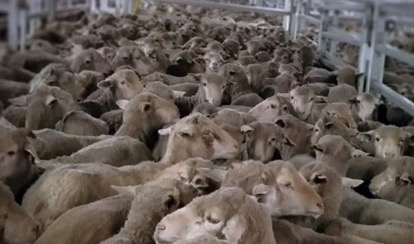
Dr Lynn Simpson returns to Splash today, discussing the ongoing livestock calamity taking place off Turkey. Today is day 54 of Spiridon II’s current voyage, something that Splash covered yesterday. Originating in Montevideo, Uruguay, destined for Türkiye and Ukraine. A voyage that should be over, the cattle should have been removed from the tightly packed, sewerage-filled, hot and humid, concrete and metal confines of the ship. They should be standing on solid ground again. Instead, the ship’s intentions to unload these animals were rejected upon arrival in Türkiye 21 days ago. The issue? Administrative problems with ear tags. The same ear tags that the cattle were presumably loaded with nearly eight weeks ago. An issue that should not cause further unnecessary suffering of the animals and crew. Animals on livestock carriers need a legally mandated guarantee of prompt unloading despite issues discovered upon arrival. More days, more deaths is the common mantra of live exports Upon the arrival of the Spiridon II, it is likely that fodder, bedding, and presumably fresh water were running dangerously low, if not already used up – cattle were hungry. I have had too many voyages that were not delayed, where fodder and bedding supplies were insufficient. It is horrible to watch animals exploited for profit that then starve on a floating feedlot. 48 cattle are already declared dead – how many more in the last harrowing three weeks at anchor, how many more before a resolution is reached? The animals only get more fatigued – “more days, more deaths” is the common mantra of live exports. If the photos are indicative, bulker bags stacked on the deck roof with heavy-looking contents show discolouration of what can only be the seepage of body fluids as the dead slowly decompose near the bridge. Although guessing the contents is not necessary as one has a cow’s leg defiantly pointing to the sky, locked in rigour mortis. The smell was settling across the ship and the nostrils on shore. How many bodies have the crew really had to manhandle and stow so far on this voyage? Over the weekend, she was allowed into the port of Bandirma, Türkiye, to load much-needed fodder. Her short overnight visit was noted by locals by the nauseating smell of death and the influx of flies. I know the crew and surviving stranded animals would all disembark if they were not stopped by the authorities. Those of us paying attention will be aware that the live export fleet holds a few distinctions other shipping sectors work hard to avoid. It has the oldest fleet in the world, with an average age of 40 years. Nearly a quarter of the fleet is over 50 years old. Ok for a museum, not ok to be carrying thousands of live passengers across the world’s largest oceans. Hairy and woolly passengers sail with no dedicated life-saving devices and are not covered by SOLAS. When things go wrong, they are abandoned to die. Livestock carriers are the ships considered the most likely to run into trouble. They are currently considered to be among the most dangerous vessels in the world, posing high risks to maritime traffic, safety, the environment (sewerage and dead bodies), and pose unacceptable risks to the safety of the crew and the surviving animals onboard. Credit where credit is due, however. The engineers must be geniuses, and in my experience, deserve every cent they earn, and then some. None of the crew, in my mind, is paid enough to do this job. Not only do they have the job of keepin
Live Animal Export: It’s 2025, why are hairy seafarers abandoned and left to linger and die onboard?

Splash247
Read full article at Splash247 →
Opens Splash247 in a new tab